Kuala Lumpur Month by Month: When to Go for Dry Skies, Festivals and Fair Prices
A month-by-month guide to Kuala Lumpur: rain patterns, haze, festivals, Gulf holiday crowds and what hotels and flights typically cost through the year.
12 min read
Why timing matters in a city that is always hot
Kuala Lumpur sits about three degrees north of the equator, so the thermometer barely moves. Daytime highs run around 31–33°C and nights 23–25°C in every month. What changes is the rain, the haze, the festival calendar and, for Gulf travellers, how many people from home are on the same flight.
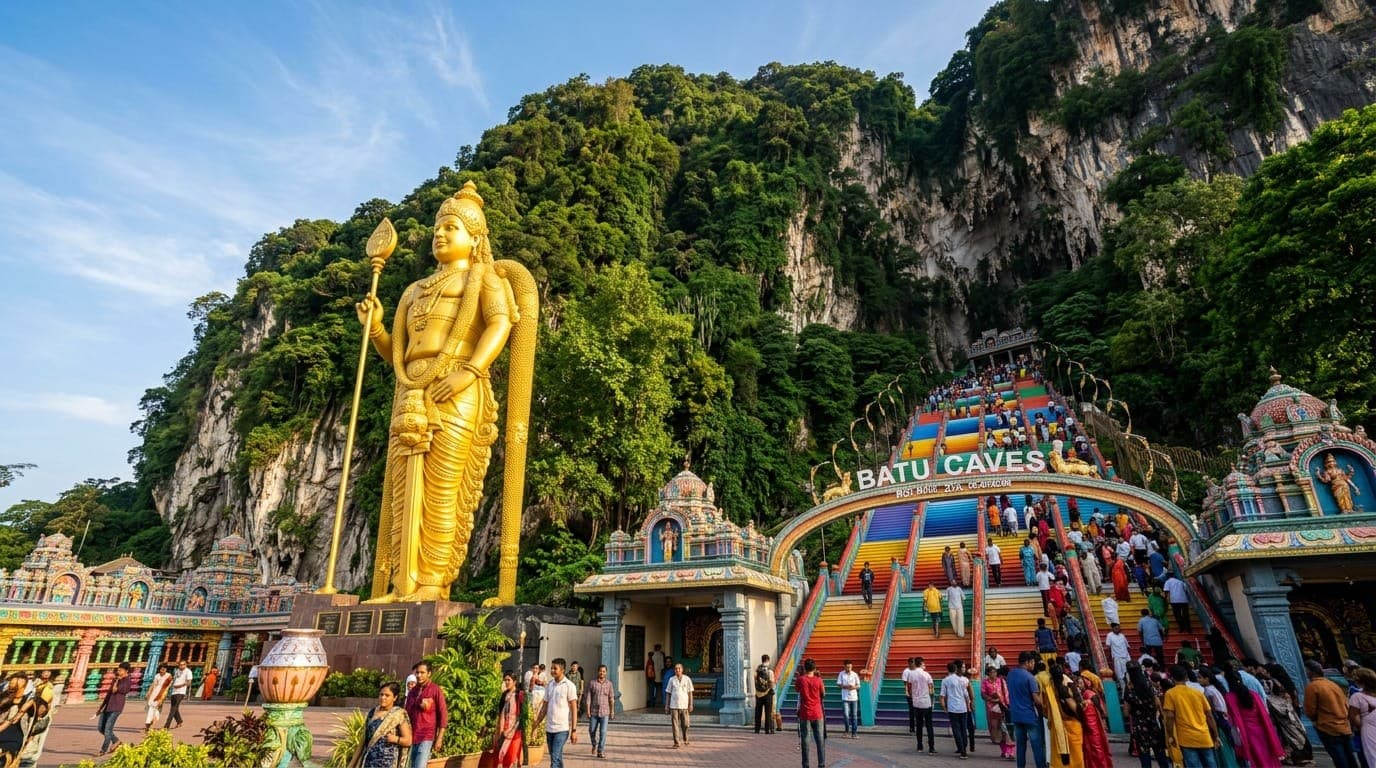
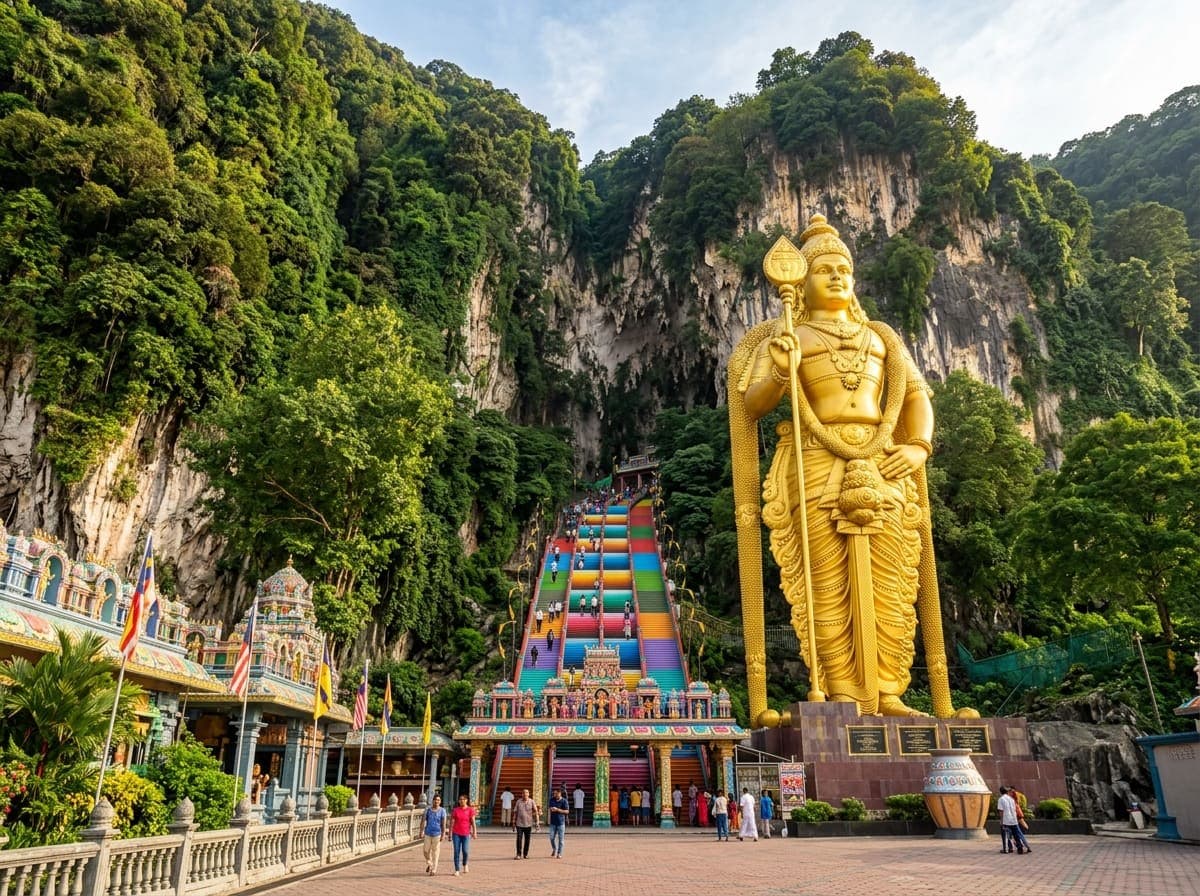
Pick the right month and you get dry mornings for the 272 steps of Batu Caves and the canopy walk at KL Forest Eco Park. You eat festival food at night bazaars and pay hotel rates that leave budget for a cheap onward hop to Bali, Phuket or Hanoi. Pick the wrong one and you shelter in Pavilion from 4pm thunderstorms while paying peak summer prices.
The short version:
- February and March pair festivals with relatively settled weather.
- June and July are usually the driest months of the year. They are also the busiest stretch for visitors from the Gulf.
- October and November are the wettest months.
- Late August to September carries a risk of haze.
No month is a write-off. KL is a city of covered walkways and air-conditioned malls, and a rainy afternoon still means excellent eating. This guide covers what each part of the year actually feels like, what it costs and which events are worth planning around.
How KL weather really works: rain, monsoons and haze
Many people expect Malaysia to be governed by monsoons. KL sits in a valley sheltered by the Titiwangsa range to the east and Sumatra to the west, so the big monsoons hit it less directly than the coasts. The wettest periods are the two inter-monsoon seasons, roughly late March–May and October–November. In these months winds are light and heat builds over the day.
The typical pattern is a clear or hazy-bright morning, then building cloud. Next comes a heavy thunderstorm between about 3pm and 7pm that lasts one to two hours. Annual rainfall is typically around 2,400–2,600mm:
- Wettest: November can top 300mm.
- Driest: June and July often see well under 150mm.
Rain rarely ruins a whole day, but it can flood underpasses and gridlock traffic at rush hour.
Haze is the other variable. During the southwest monsoon, roughly June to September, smoke from land clearing in Sumatra and Kalimantan can drift over the Klang Valley. It tends to be worst from August to September and varies a lot from year to year. Check the government's API (Air Pollutant Index) readings before and during your trip. Readings above 100 are unhealthy, and anyone with asthma should pack masks.
Humidity stays around 70–90% all year. Plan outdoor sights before 11am, carry a compact umbrella in every month, and treat midday as time for malls, museums and lunch.
January to March: festival season and some of the best weather
January starts settled after the November rains, though showers linger early in the month. Hotels drop back after the New Year's Eve spike. Thaipusam falls in late January or early February, so check the exact date. Hundreds of thousands of Hindu devotees walk overnight from Sri Mahamariamman Temple in Chinatown to Batu Caves, some carrying elaborate kavadi. Go at dawn, wear modest clothing and expect trains and roads near the caves to be packed.
February is one of the drier, brighter months and one of our top picks. Chinese New Year falls on 6 February in 2027. Petaling Street, Thean Hou Temple and the big malls fill with lanterns and lion dances. Many small Chinese-run shops and hawker stalls close for three to five days, while hotels and domestic flights get busy. Ramadan is expected to run from roughly early February to early March 2027. Bazaar Ramadan stalls then sell murtabak, ayam percik and kuih before iftar at Kampung Baru, TTDI and Jalan Tuanku Abdul Rahman. It is a gentle, food-focused way to spend the month.
March stays fairly dry until the last week or so, when afternoon storms start to build. Hari Raya Aidilfitri is expected around 9–10 March 2027. Kampung Baru holds open houses, but many KL residents go home to their kampung, so the city empties and traffic eases.
April and May: wet afternoons, quieter streets, better value
April is usually the wetter of the two spring inter-monsoon months. Expect heavy storms on most afternoons, sometimes with dramatic lightning over the KLCC skyline. Mornings are often clear, so sightseeing works if you start early:
- Masjid Negara and the Perdana Botanical Gardens at 8am.
- Batu Caves before the tour buses arrive, around 7–9am.
- The Islamic Arts Museum or Petronas Galleria after lunch.
May is slightly less wet but still humid and stormy. Wesak Day, the Buddhist festival, brings candlelit processions at Buddhist Maha Vihara in Brickfields. Eid al-Adha in mid-May 2027 means busier flights from the Gulf around the holiday dates. Book early if your leave depends on it.
This is typically a shoulder season for hotels. Rates at mid-range Bukit Bintang properties often sit around RM 200–350 a night (about AED 170–300). That is noticeably below the June–August peak. Flights from Dubai, Abu Dhabi and Doha are usually reasonable outside the Eid window.
The trade-off is real but manageable:
- Rain: It can wreck plans for the Bukit Nanas canopy walk, Kuala Selangor fireflies or a day trip to the Genting Highlands, which are often cloud-wrapped in this season.
- Indoor plans: KL handles rain better than most Asian cities. Covered walkways run between KLCC and Bukit Bintang, and food courts such as Lot 10 Hutong sit on mall level.
If you are flexible and price-sensitive, April and May deliver.
June to August: the driest skies and the busiest season for Gulf visitors
June and July are usually KL's driest months. The sun is out more, storms are shorter and less frequent, and outdoor trips are at their most reliable. Good options include the fireflies at Kuala Selangor, hiking Bukit Gasing and walking around the colonial Merdeka Square. This is our other top window.
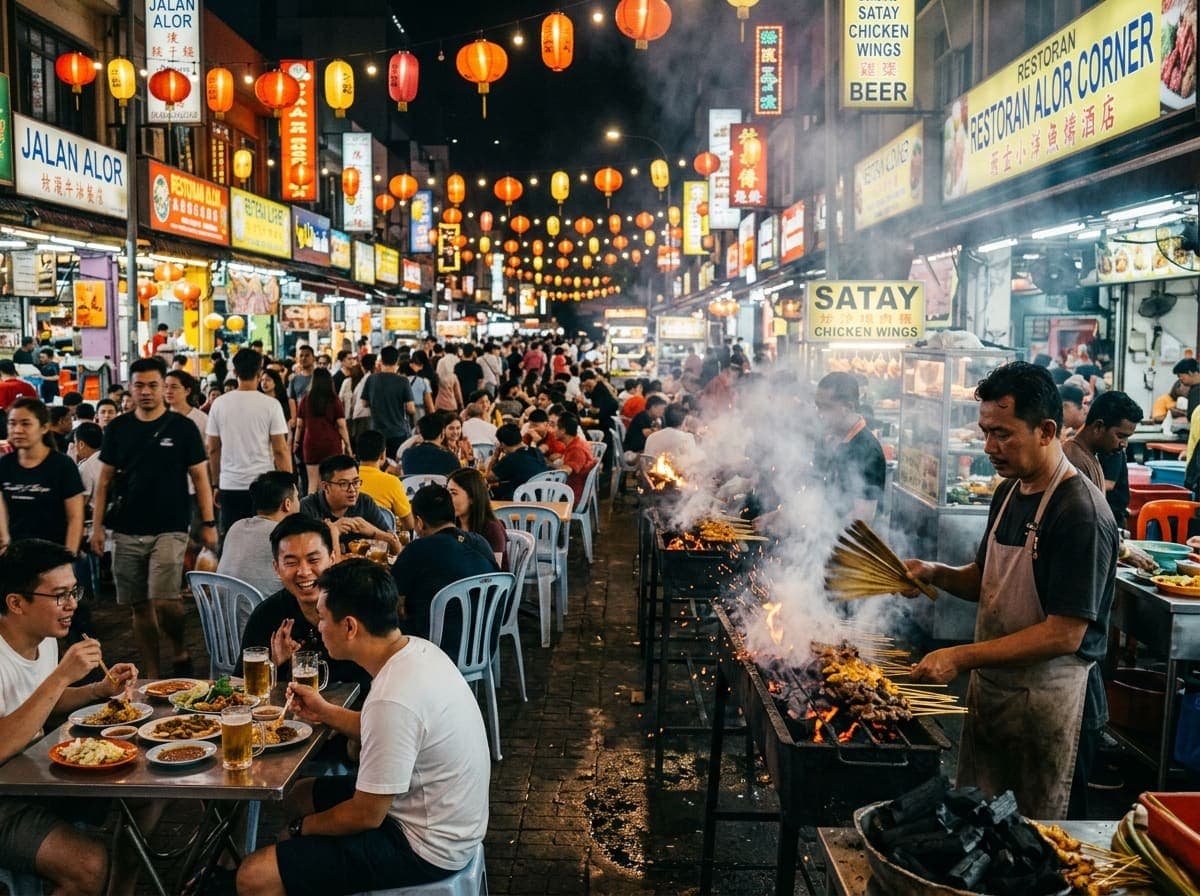
It is also durian season, which typically peaks from June to August. Stalls along Jalan Alor, in SS2 Petaling Jaya and around Bukit Bintang sell Musang King for around RM 50–90 per kilo depending on the harvest. Cheaper varieties like D24 cost less. Mangosteen and rambutan are plentiful too.
The catch is crowds. Gulf school holidays make KL one of the top summer destinations for Saudi, Emirati, Kuwaiti and Omani families. Areas include:
- The Bukit Bintang strip around Jalan Bukit Bintang and Changkat.
- The serviced apartments near KLCC.
- Genting Highlands.
This is the Arab-friendly KL many readers already know: shisha cafés, Middle Eastern restaurants and Arabic signage. The downside is prices:
- Family suites: Often 30–50% above spring rates.
- Flights from the GCC: Return economy fares commonly sit in the upper range or above.
Malaysian school holidays also fall in parts of this period, and theme parks fill up.
August is still mostly dry, but haze risk rises. Merdeka Day on 31 August brings a parade and fireworks at Dataran Merdeka. Book by March for June–July travel, or come in early June before Gulf schools break up.
September to December: lanterns, deluges and year-end lights
September can still carry haze. Malaysia Day on 16 September is a public holiday. The Mid-Autumn Festival, in September or early October depending on the lunar calendar, puts lanterns across Petaling Street and Thean Hou Temple. Bakeries and hotels sell mooncakes, including halal-certified versions at many hotels and chains.
October and November are the wettest stretch. Storms can arrive earlier in the afternoon and last longer, and flash floods hit low-lying roads around Jalan Tun Razak and parts of the city centre. Plan indoor afternoons and avoid booking a tight airport transfer in the late afternoon. Deepavali usually falls in October or November. Little India in Brickfields fills with kolam rice art, garland stalls and sweets like murukku and laddu. Banana-leaf rice spots such as Sri Paandi stay busy.
Motorsport fans should know that the MotoGP Malaysian Grand Prix at Sepang typically runs in late October or early November. Hotels near KLIA and Putrajaya fill on race weekend.
December sees the rain easing, though it is still showery. Malls like Pavilion and Suria KLCC compete with Christmas installations. Malaysian school holidays and a regional holiday rush push prices up in the second half of the month, and New Year's Eve at KLCC is crowded but lively. Early December is a sweet spot for decent hotel rates and lighter crowds, before the year-end peak.
Prices and crowds through the year: what to budget
Day-to-day costs in KL barely change with the seasons. A hawker plate costs around RM 8–15 (AED 7–13):
- nasi lemak, char kway teow or roti canai with teh tarik
- banana-leaf rice in Brickfields
- Hokkien mee at Petaling Street
A mid-range restaurant dinner runs about RM 50–100 (AED 45–85) per person. Muslim travellers should note that many Chinese hawker stalls are not halal. Kampung Baru, mamak stalls, Malay restaurants and halal-certified food courts are the safe bets. Look for the JAKIM halal logo.
What does change:
- Hotels: Mid-range rooms in Bukit Bintang or KLCC typically run around RM 200–350 (AED 170–300) in shoulder months. Expect RM 300–550 (AED 260–470) or more from late June to August, at Chinese New Year and during the December holidays. Five-star rooms with KLCC views often start around RM 600–900 (AED 520–780) in peak weeks.
- Flights from the GCC: Flight time is about 7 hours from Dubai on Emirates or Malaysia Airlines, or via Doha or Abu Dhabi on Qatar Airways and Etihad. Return economy fares are typically around AED 1,800–3,200. Expect the upper end, or more, during the summer holidays and both Eids.
- Onward hops: AirAsia and Batik Air connections from KUL to Bangkok, Phuket, Bali, Hanoi or Langkawi often cost around RM 150–450 (AED 130–390) one way when booked a few weeks ahead.
Match your onward trip to the season. Bali is best from June to September. Phuket and Langkawi are best from December to March. Northern Vietnam is pleasant from October to April.
A four-day KL plan built around the weather
This plan works in any month. Outdoor sights go first thing, indoor sights during the storm window, and eating after dark.
Day 1: Old KL and Chinatown
- Morning: Start at 8am at Masjid Jamek, then walk to Merdeka Square and the River of Life riverside walkway.
- Afternoon: Spend the heat of the day in the Central Market craft halls and the Islamic Arts Museum, about 15 minutes by Grab.
- Evening: Wander Petaling Street and Kwai Chai Hong lane, then eat claypot chicken rice or, for halal food, head to the Malay stalls at nearby Kampung Baru.
Day 2: Batu Caves and Little India
- Morning: Take the KTM Komuter from KL Sentral to Batu Caves, about 30–40 minutes with a very cheap fare, and climb before 9am. Entry to the main cave is free.
- Afternoon: Return for banana-leaf lunch in Brickfields and an afternoon nap.
- Evening: Eat roti canai and teh tarik at a 24-hour mamak stall.
Day 3: Green KL and the towers
- Morning: Walk the KL Forest Eco Park canopy walkway early. Free entry has been the norm, but check opening hours.
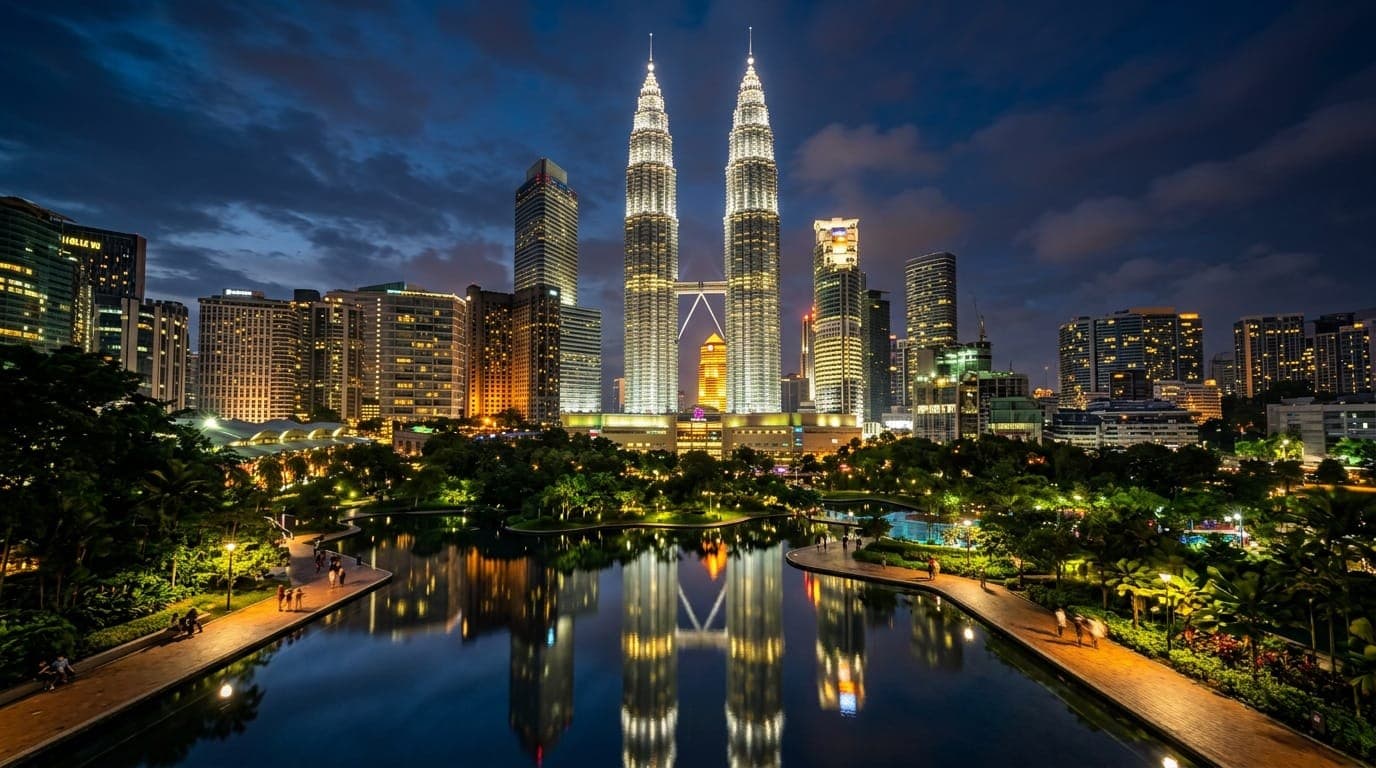
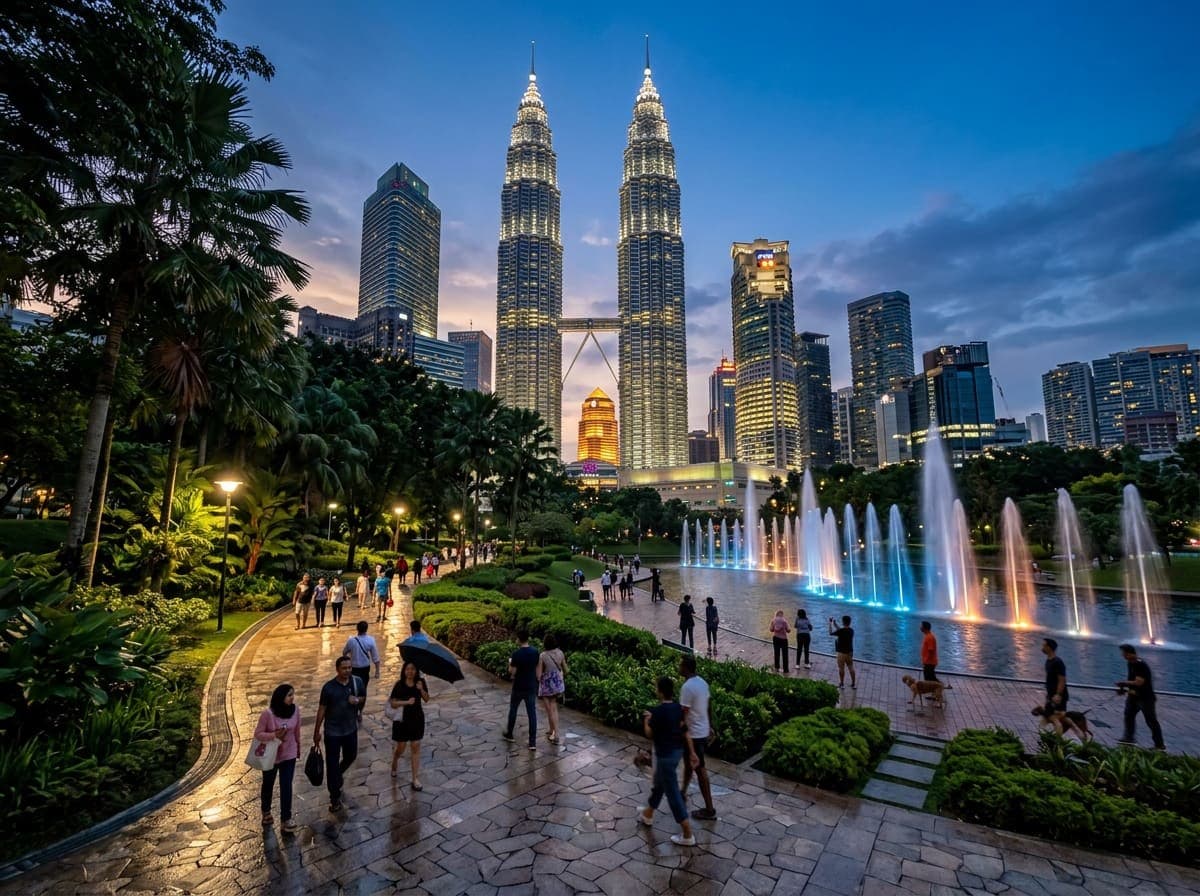
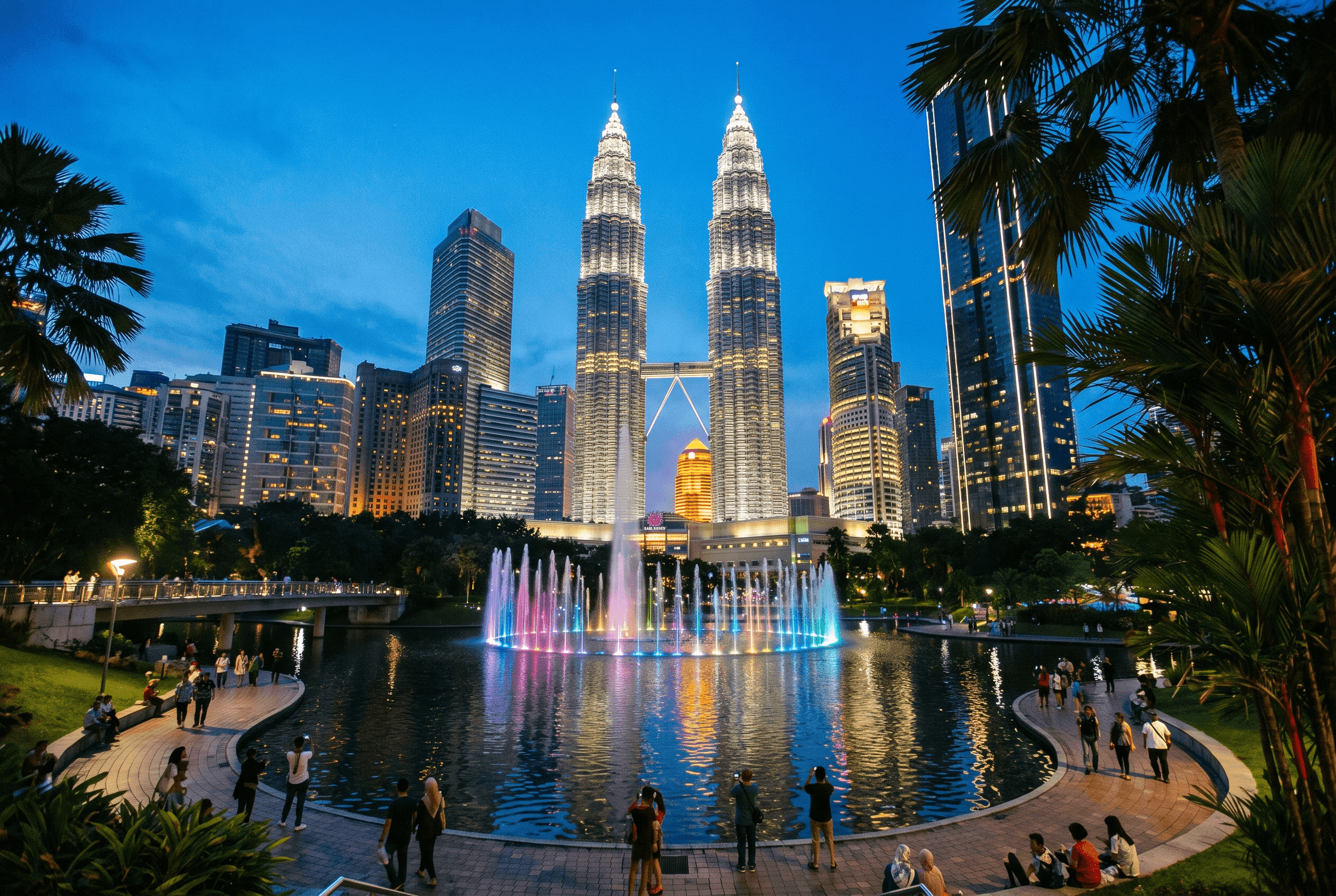
- Afternoon: Go up the Petronas Twin Towers skybridge, usually around RM 80–100 for foreign adults; book a timed slot. Add Aquaria KLCC if it rains.
- Evening: Watch the KLCC Park fountain show, then have dinner on Jalan Alor.
Day 4: Choose by season
- Dry months: Take a firefly trip to Kuala Selangor.
- Wet months: Visit Thean Hou Temple in the morning, then Pavilion and the Lot 10 Hutong food court.
Practical: getting there, getting around, money and safety
Arrival. Most long-haul flights land at KLIA Terminal 1. AirAsia and some low-cost carriers use Terminal 2, the former klia2, so check which terminal your onward ticket uses. The KLIA Ekspres reaches KL Sentral in about 30–40 minutes, depending on terminal, for around RM 55 one way. A Grab to Bukit Bintang typically costs around RM 70–110 (AED 60–95) and takes 50–75 minutes, longer in rush-hour storms. GCC nationals generally enter visa-free for short stays. Complete the Malaysia Digital Arrival Card (MDAC) online within the three days before arrival.
Getting around. The rail network covers most visitor areas:
- Kelana Jaya LRT: KLCC, Masjid Jamek and KL Sentral.
- MRT Kajang line: Bukit Bintang and Pasar Seni.
- KL Monorail: Bukit Bintang to KL Sentral.
Buy a Touch 'n Go card at stations or use contactless bank cards on most lines. Rides typically cost RM 1–6. Grab is cheap and reliable for short hops but slow in afternoon downpours. The free GoKL city buses are handy too.
Money. The currency is the ringgit (RM/MYR), at roughly RM 1.1–1.2 to the dirham; check the current rate. Cards work in malls and hotels, but carry cash for hawker stalls and night markets. Money changers in Mid Valley and Pavilion usually beat airport rates.
Safety. KL is generally safe. The main risk is snatch theft by motorcyclists, so walk on the inside of the pavement and keep bags cross-body. Watch for open drains and slippery tiles after rain. Dress modestly for mosques; robes are provided at Masjid Negara.
Read more: Kuala Lumpur · Kuala Lumpur Layover Guide: Leave the Airport, Eat Well and Get Back on Time
What is the single best month to visit Kuala Lumpur?
For weather alone, June or July, which are usually the driest months. For the best overall balance of weather, festivals and prices, February is hard to beat. It is relatively dry and often coincides with Chinese New Year, and in 2027 it overlaps with Ramadan bazaars. Avoid the Chinese New Year week itself if you want quieter streets.
Is it worth visiting Kuala Lumpur during the rainy season?
Yes, if you plan around it. Rain in October–November and April usually comes as one or two hours of heavy afternoon storms, not all-day drizzle. Do outdoor sights before noon and keep afternoons for malls and museums. You will often find lower hotel rates outside the holiday periods.
When is KL most crowded with Gulf tourists?
From late June to August, during Gulf school holidays, and around both Eids. Bukit Bintang, KLCC serviced apartments and Genting Highlands are busiest, and hotel and flight prices rise. Travel in early June or in February–March for similar weather with fewer crowds.
How bad is the haze and when does it happen?
Haze from fires in Indonesia can affect KL roughly between June and September, most often in August and September. It varies widely by year: some years are clear, others bring days of unhealthy air. Check the Malaysian API readings before travel and carry masks if you have respiratory issues.
Can I visit Batu Caves during Thaipusam?
Yes. It is one of Malaysia's most striking festivals and free to attend, but expect enormous crowds, packed KTM trains and heat. Arrive before dawn, dress modestly, keep valuables secure and leave by mid-morning. On any other day, an early-morning visit is far calmer.