What a Day in Cairo Really Costs: Shoestring, Mid-Range and Splurge Budgets
Real Cairo daily costs in EGP and AED, from AED 120 shoestring days of koshari and metro rides to Nile-view suites, plus the hidden costs that add up.
10 min read
Why Cairo is still one of the best-value capitals in the region
Few cities give you this much for the money. In one day you can stand at the Giza Pyramids at opening, eat a bowl of koshari for less than a coffee in Dubai Marina, and watch the sun drop over the Nile from a felucca. For travellers from the Gulf and the Levant, Cairo is also close: about 3.5 to 4 hours from Dubai or Abu Dhabi and under 2 hours from Amman or Beirut.
The catch is that Cairo prices are uneven. Local food and transport are cheap. Monument tickets for foreigners are not, and they have risen sharply since 2024. Hotels range from hostels to some of the grandest properties in the Middle East. Your daily spend depends far more on which sights you book and where you sleep than on what you eat.
How to read the numbers: prices are 2026 estimates in Egyptian pounds (EGP) with AED equivalents at roughly 13 EGP to 1 AED. The pound has moved a lot in recent years, so check the rate before you travel. Many tourist-facing prices, such as hotels, guides and tours, are quoted in USD or EUR. Everyday prices are in EGP. The best months are October, November, March and April. Hotel rates peak around Christmas, New Year and Egyptian holidays.
Three daily budgets at a glance
These are per person per day, based on two people sharing a room. They include one paid major sight per day, which is how most people pace Cairo.
Shoestring: around 1,500–2,200 EGP (AED 115–170)
- Dorm bed or basic double in Downtown: around 400–900 EGP per person
- Street food and local eateries: around 250–400 EGP
- Metro plus one or two Uber rides: around 100–250 EGP
- One ticket, such as the Egyptian Museum in Tahrir or the Citadel: around 550 EGP
Mid-range: around 4,500–7,000 EGP (AED 350–540)
- 3–4 star hotel in Zamalek, Garden City or near the Pyramids: around 1,800–3,200 EGP per person
- Sit-down meals and juices: around 900–1,500 EGP
- Uber and Careem all day: around 400–700 EGP
- One big ticket such as the Pyramids or GEM, plus a small tip budget
Splurge: 15,000 EGP+ (AED 1,150+)
- Nile-view five-star or the Marriott Mena House: around 9,000–20,000 EGP per person
- Hotel dining and Zamalek restaurants: around 2,500–5,000 EGP
- Private driver and Egyptologist guide: around 3,000–6,000 EGP per day split between two
The biggest swing items are the hotel and whether you hire a private guide. Food barely moves the total.
Where to sleep for each budget
Downtown (Wust el-Balad) is the budget base. It covers the streets around Talaat Harb, Tahrir and Sherif. Hostels and old-building guesthouses here typically charge around 15–25 USD for a dorm bed and 30–50 USD for a basic private double. You are walking distance from the Egyptian Museum in Tahrir and from Sadat metro station, where Lines 1 and 2 meet. Expect creaky lifts, street noise and excellent value.
Zamalek sits on the Gezira island. It is leafy, calmer and full of cafés. Mid-range boutique hotels and serviced apartments typically run around 70–140 USD a night. Many Gulf families prefer it for its quiet streets and easy taxi access to everything.
Giza and Nazlet el-Semman suit early risers. Guesthouses with Pyramid-view rooftops cost around 40–100 USD. You can walk to the gate at opening, before the tour buses arrive from around 9am.
Splurge: the Four Seasons Nile Plaza, Ritz-Carlton on the Corniche and St. Regis typically cost around 250–500 USD+. The historic Marriott Mena House has rooms facing the Great Pyramid in a similar range. Book early for October–November and March–April. Ramadan and Eid dates can also push up rates when Gulf visitors arrive.
Eating: from 30 EGP sandwiches to Nile-terrace dinners
Food is where Cairo stretches your budget furthest.
Cheap (under 150 EGP a meal):
- Ful and taameya (Egyptian falafel made with fava beans) sandwiches from street carts and chains like Gad: around 15–40 EGP each.
- Koshari, a rice, lentil, pasta and fried-onion bowl. Try it at Abou Tarek on Champollion Street Downtown or Koshary El Tahrir: around 50–120 EGP depending on size. Both stay busy late, and a midnight bowl after a Downtown walk is a Cairo ritual.
- Fresh sugarcane or mango juice from corner stalls: around 20–60 EGP.
Mid-range (around 300–700 EGP per person):
- Zooba in Zamalek does modern street food: taameya, hawawshi and flavoured koshari.
- Felfela off Talaat Harb serves classic Egyptian dishes in an old-school setting.
- Abou El Sid serves molokhia, stuffed pigeon and fattah in a stylish room.
Splurge (around 1,500–4,000 EGP per person):
- Sequoia at the tip of Zamalek has Nile-side mezze and grills.
- Hotel restaurants at the Four Seasons or Mena House, where imported wine pushes the bill up fast.
Alcohol is the hidden budget killer. A local Stella beer typically costs around 100–180 EGP in bars. Imported spirits are priced like the Gulf or higher. Tap water isn't recommended. Large bottled water costs around 15–25 EGP at kiosks.
Sight tickets: the real budget driver
Egypt uses separate foreigner pricing, and big-ticket sights add up quickly. Typical 2026 adult foreigner prices:
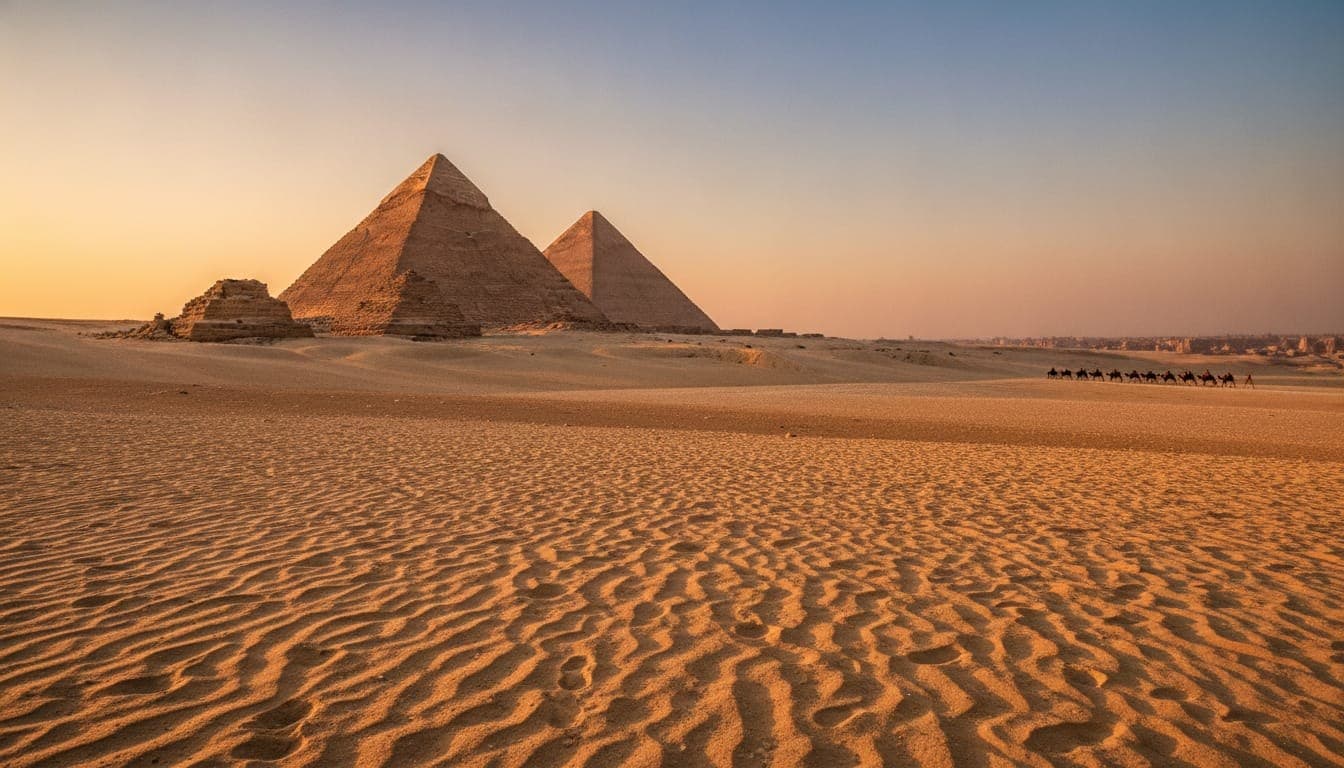
- Giza Pyramids plateau: around 700 EGP (about AED 55). Entering the Great Pyramid costs extra, around 1,500 EGP. The smaller Khafre or Menkaure pyramids are cheaper alternatives.
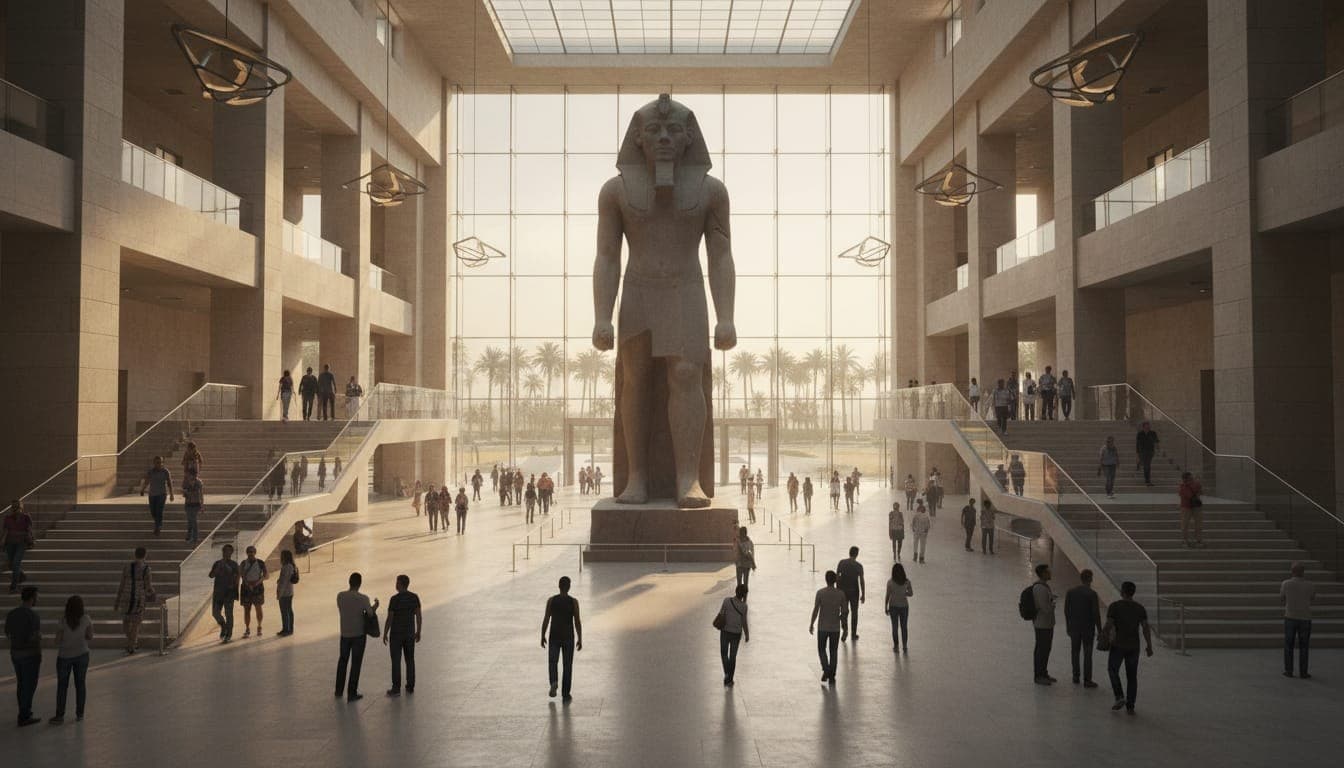
- Grand Egyptian Museum (GEM): around 1,200–1,500 EGP for general admission.
- Egyptian Museum, Tahrir: around 550 EGP. It is less polished than GEM but still essential, and quieter now.
- Saqqara: around 600 EGP, with extra tickets for some tombs.
- Salah El-Din Citadel and the Muhammad Ali Mosque: around 550 EGP.
- Al-Azhar Park: a small entry fee, typically under 100 EGP.
Free or nearly free: walking Al-Muizz Street in Islamic Cairo and browsing Khan el-Khalili. You can visit the Al-Azhar and Ibn Tulun mosques, though leaving a small tip for shoe minders is normal. The Hanging Church and Ben Ezra Synagogue in Coptic Cairo are free, apart from donations.
Saving tips:
- Foreign students with an ISIC card typically pay about half price.
- If you hold Egyptian residency, carry proof, because reduced prices apply.
- Most major sites now take card payments only at the gate, so carry a Visa or Mastercard.
- Long-stay or multi-site visitors should ask about the Cairo Pass, which covers most Cairo and Giza sites. Prices and inclusions change, so check the current terms.
Getting around: metro, ride-hailing or a private driver
Cairo Metro is the cheapest way across the city.
- Fares are tiered by number of stations, typically around 10–25 EGP per trip.
- Line 1 runs to Maadi and Coptic Cairo (Mar Girgis station).
- Line 2 connects Tahrir (Sadat) to Giza station.
- Line 3 reaches Attaba, near Islamic Cairo, and continues west to Kit Kat and Imbaba.
- The first and middle carriages of each train are women-only, which many female travellers appreciate.
- Avoid the metro at peak times, roughly 7:30–9:30am and 3–6pm.
Uber and Careem are reliable and cheap by Gulf standards:
- Downtown to Zamalek: around 80–150 EGP.
- Downtown to the Pyramids: typically around 200–350 EGP, depending on traffic.
- Rides take a long time. A 15 km crossing can take 30–75 minutes.
- inDrive is popular too, but agree the price before you get in.
Private driver for a day: around 1,500–3,000 EGP for a car with air conditioning. This is good value for a Giza–Saqqara–Dahshur loop, where ride-hailing coverage is patchy for the return.
Nile options:
- Public river buses are almost free but run irregularly.
- A felucca hire from the Corniche near Garden City typically costs around 300–600 EGP per boat for an hour. Agree the duration upfront.
- Splurge dinner cruises cost around 1,500–3,500 EGP per person.
Walking is fine Downtown and in Zamalek. Crossing big roads takes nerve. Follow locals across.
A costed three-day plan, two ways
Day 1 – Giza and the Grand Egyptian Museum
- Budget version: take Line 2 to Giza station, then Uber to the Pyramids gate (about 120 EGP). Arrive at opening, around 8am.
- Spend the morning on the plateau (around 700 EGP), then walk or ride the short distance to GEM in the afternoon (around 1,200–1,500 EGP).
- Lunch on taameya sandwiches, and finish with dinner of koshari Downtown.
- Day total: around 2,600–3,000 EGP (AED 200–230).
- Splurge version: private Egyptologist and driver, Great Pyramid interior, and lunch with a Pyramid view. Around 9,000–14,000 EGP per person.
Day 2 – Islamic Cairo and the Citadel
- Visit the Citadel in the morning (around 550 EGP).
- Walk down to Sultan Hassan and Al-Rifai mosques.
- In the afternoon, take a taxi to Al-Muizz Street and Khan el-Khalili.
- Have mint tea at El Fishawy café for around 50–100 EGP.
- Watch the sunset from Al-Azhar Park.
- Budget day: around 1,200 EGP.
- Mid-range day, with a guide for half the day and dinner at Abou El Sid: around 4,000 EGP.
Day 3 – Tahrir, Coptic Cairo and the Nile
- See the Egyptian Museum in the morning (around 550 EGP).
- Ride Line 1 to Mar Girgis for Coptic Cairo, which is free.
- Take a felucca at sunset, shared between two.
- Budget day: around 1,200–1,500 EGP.
- Splurge: Nile dinner cruise and drinks at the Four Seasons. Around 6,000 EGP+.
Hidden costs: tips, touts and small fees
Baksheesh, or tipping, is part of daily life, so budget around 100–200 EGP a day in small notes. Typical amounts:
- Restaurant service: about 10% on top of any service charge.
- Tomb guardians who unlock a chamber or point out details: around 20–50 EGP.
- Toilet attendants: around 5–10 EGP.
- Hotel porters: around 20–50 EGP per bag.
- Drivers and guides: around 10% of the fee is common.
At Giza, the expensive mistakes happen outside the ticket booth.
- Ignore anyone who says the gate is closed or offers a shortcut.
- Camel and horse rides are negotiable. A fair rate is typically around 300–600 EGP for 30 minutes, but clarify total price per person, for the whole ride, including the return before getting on.
- Photos with a camel or a man in costume will cost you money.
Other costs:
- Photography with phones is generally free at major sites. Professional cameras or tripods may need extra permits.
- Shopping: Khan el-Khalili is fun but pricey. Start at about a third to half of the first quote. For fixed prices, try the Fair Trade Egypt shop or the Nagada boutique in Zamalek.
- Cash: hold plenty of 5, 10, 20 and 50 EGP notes. Breaking 200s is a constant struggle.
Practical: CAI arrival, money, SIMs and safety
Arriving at Cairo International (CAI):
- Direct flights from Dubai, Abu Dhabi, Sharjah, Riyadh, Jeddah, Kuwait, Doha, Amman and Beirut take roughly 1.5–4 hours.
- Visa rules depend on your passport. Many nationalities can buy a visa on arrival (around 25 USD, payable in cash USD) or get an e-visa in advance. Some Levant passports need prior approval, so check before booking.
- From the airport to Downtown or Zamalek, Uber or Careem typically costs around 250–450 EGP. The ride takes 40–75 minutes, longer in evening traffic.
- Pre-booked hotel transfers usually cost around 25–45 USD.
Money:
- ATMs from Banque Misr, CIB and NBE are widespread.
- Cards work at hotels, malls, many restaurants and now at most monument ticket gates.
- Carry cash for street food, tips and taxis.
SIM cards:
- Vodafone, Orange and Etisalat by e& sell tourist SIMs at CAI arrivals for around 500–1,000 EGP with generous data.
- Bring your passport.
- Phones bought abroad and used long-term can face registration rules, so keep your stay short or ask the shop.
Safety:
- Central Cairo is generally safe for visitors.
- The main issues are traffic, persistent touts and overcharging, not violent crime.
- Dress modestly in Islamic Cairo and mosques. Women need a headscarf in mosques, and loaner robes are often available.
- Keep valuables close in crowded markets.
Read more: Cairo · Grand Egyptian Museum Guide: Tickets, Route Inside and Pairing It with the Pyramids
How much spending money do I need for 4 days in Cairo?
Excluding flights, budget around 6,000–9,000 EGP (AED 460–700) per person on a shoestring. Mid-range is around 18,000–28,000 EGP (AED 1,400–2,150). The big variables are your hotel and how many paid sights you include.
Should I bring USD or AED to Egypt?
Bring some USD in cash for a visa on arrival and for tips to guides who quote in dollars. For everything else, withdraw EGP from bank ATMs or use a card. AED can be exchanged at banks and exchange offices, but rates for USD are more widely competitive.
Is it worth paying for a private guide in Cairo?
For Giza, Saqqara and the GEM, a licensed Egyptologist adds real context and removes most tout hassle. That usually justifies around 1,500–3,000 EGP for a half or full day. For Islamic Cairo and Coptic Cairo, many visitors manage well with a good map and walking.
Can I pay entrance fees in cash?
Increasingly, no. Most major sites, including the Pyramids, GEM, the Egyptian Museum and the Citadel, now require card payment at the ticket office. Carry a Visa or Mastercard and keep cash for tips and small purchases inside.