Three Days in Istanbul: Kadıköy, the Old City at Opening Time, and the Bosphorus by Public Ferry
A practical three-day Istanbul plan: slow mornings in Kadıköy, the Sultanahmet sights before the crowds arrive, and a full Bosphorus trip on the city's public ferry.
10 min read
How This Three-Day Plan Works
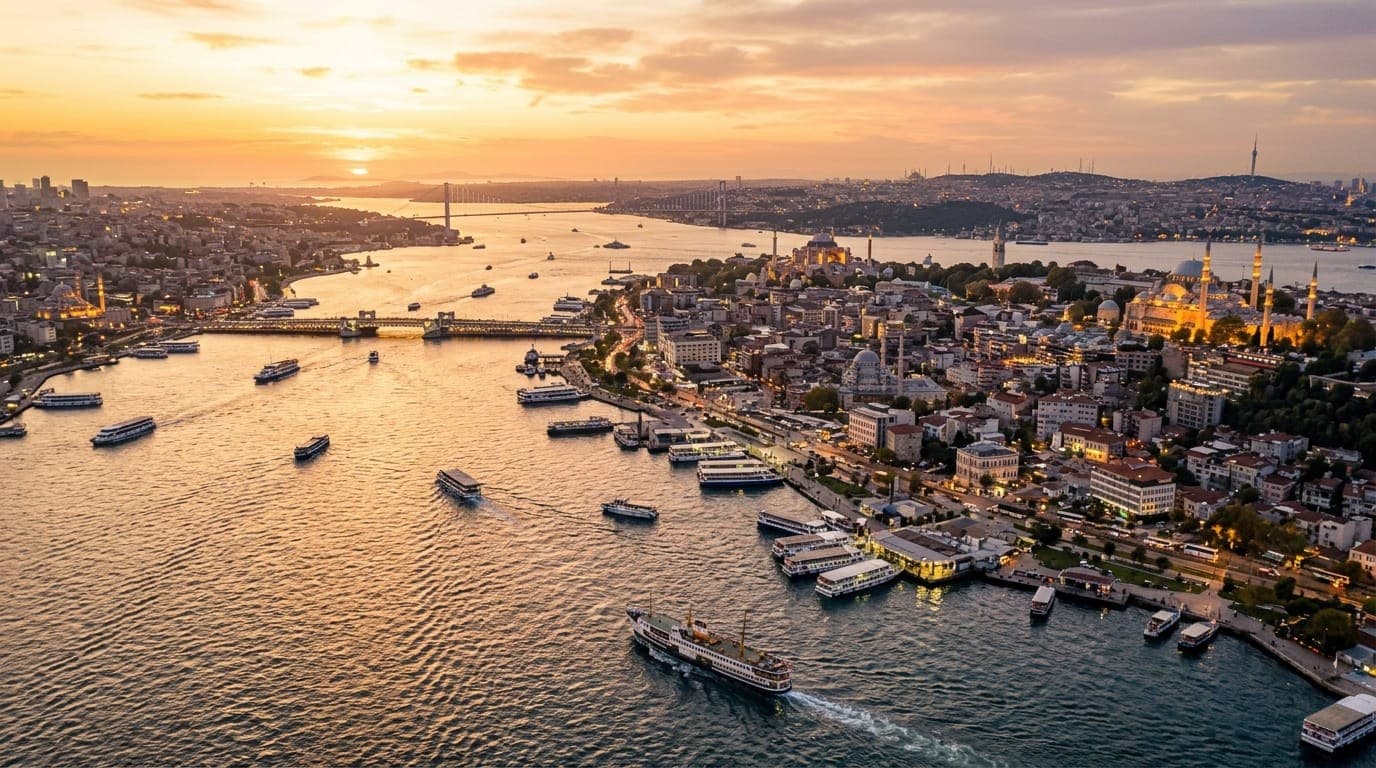
Most first-time visitors spend all their time in Sultanahmet and see the Bosphorus only from a crowded tour boat. This plan changes the order. You start on the Asian side in Kadıköy, where locals actually live and eat. On Day 2 you reach the old city early, before the tour groups. On Day 3 you ride the public ferry up the full length of the Bosphorus to the fishing village of Anadolu Kavağı.
Getting there from the Gulf and Levant:
- Flight times: about 4.5–5 hours from Dubai, Abu Dhabi or Doha, and about 2 hours from Amman or Beirut.
- Airlines: Turkish Airlines, Emirates, Qatar Airways, flydubai, Air Arabia, Pegasus and AJet all serve Istanbul.
- Fares: outside peak holidays, a return economy fare from the UAE usually costs AED 1,000–2,200. Fares go up sharply around Eid and in July–August.
- Which airport: Istanbul has two. Istanbul Airport (IST) is on the European side. Sabiha Gökçen (SAW) is on the Asian side. If you land at SAW, the M4 metro runs straight to Kadıköy in about an hour, which fits Day 1 well.
Where to stay: pick a base that is easy to reach by ferry. Karaköy and Sirkeci/Eminönü work on the European side, and Kadıköy works on the Asian side. From any of these, all three days of this plan are a short walk or ferry ride away.
Money: prices below are mid-2026 estimates. Turkish inflation is still high, so lira prices can change within months. As a rough guide, 1 AED ≈ 12–13 TRY. Check a live rate before you travel, and pay by card where possible.
Getting Around: Istanbulkart and the Ferries
The one thing you must buy is an Istanbulkart. It is a rechargeable card that works on the metro, tram, Marmaray, buses and the public ferries run by Şehir Hatları, Turyol and Dentur.
- Where to buy it: yellow-and-blue machines at major stops and at the airports. The card costs around 150–200 TRY. Top it up with cash, or by card at newer machines.
- Fares: a single ride costs roughly 35–45 TRY (about AED 3–3.5). Transfers within a short window are discounted.
- Sharing: one card can pay for several people on most lines. Tap once per person.
- Avoid tourist cards: single-use tickets and "tourist" cards cost noticeably more per ride.
The ferries are your best value. A trip from Eminönü or Karaköy to Kadıköy takes about 20 minutes. It costs the same as a metro ride and gives you views of the old-city skyline. Buy a glass of tea from the onboard kiosk and sit on the open back deck.
Caveat: taxis are cheap on paper, but overcharging and "broken meter" tricks are still common around Sultanahmet. If you need a car, use the BiTaksi or Uber app, which book regular yellow taxis. Expect heavy traffic on bridge crossings at rush hour, roughly 08:00–10:00 and 17:00–20:00.
Day 1 Morning: Breakfast in a Tea Garden, Then Kadıköy's Market Streets
Take an early ferry to Kadıköy. Walk 15 minutes south to Moda, a leafy seaside neighbourhood. Here you'll find the çay bahçeleri (tea gardens) along the shore. The garden in Moda Parkı, above the water, is the classic choice.
What to order: Turkish breakfast (kahvaltı). A serpme kahvaltı is a spread of small plates: white cheese, olives, honey and kaymak, menemen (eggs scrambled with tomato and pepper), simit and endless tea. Expect 400–800 TRY per person (about AED 32–65). A single glass of tea in a simple tea garden still costs only 20–40 TRY.
After breakfast, walk back north into the Kadıköy Çarşı (market district). The main streets are:
- Güneşlibahçe Sokak: fishmongers, pickle shops, stalls selling stuffed mussels, and delis piled with cheese and cured meats.
- Serasker Caddesi and nearby lanes: spice shops, coffee roasters, and bakeries selling börek and simit.
- Mühürdar area: shops selling second-hand books and records.
For lunch, Çiya Sofrası on Güneşlibahçe Sokak is famous for regional Anatolian dishes. Pick from the counter and pay by weight or by plate. A full meal costs about 600–1,000 TRY (AED 50–80).
Insider tip: if you visit on a Tuesday, the Salı Pazarı (Tuesday Market) in Hasanpaşa is a short bus ride or 20-minute walk away. It is a huge local market selling produce and clothing. There is a smaller market on Fridays.

Day 1 Afternoon and Evening: Moda, Yeldeğirmeni and Bahariye
Spend the afternoon at walking pace:
- Yeldeğirmeni: a neighbourhood just north of the ferry terminal, full of large street murals, third-wave coffee shops and old apartment blocks.
- Bahariye Caddesi: Kadıköy's pedestrian shopping street. It runs past the historic Süreyya Opera House and the bronze Bull statue (Boğa), a local meeting point.
- Moda seafront: come back at sunset. Locals sit on the rocks and walls along the water with sunflower seeds and tea, looking back at the old-city skyline.
For dinner, Kadıköy has plenty of meyhanes (taverns serving meze and grilled fish). There are also cheaper kebab and lahmacun places around the market. A meze-and-fish dinner costs roughly 1,200–2,000 TRY (AED 95–160) per person. A lahmacun and ayran costs under 300 TRY. Many meyhanes serve alcohol, but halal-friendly grills are everywhere and easy to find.
Caveat: Kadıköy gets very busy on Friday and Saturday nights, especially around Kadife Sokak, known as "Barlar Sokak" (Bar Street). If you want a quiet evening, stay in Moda.
Day 2 Morning: The Old City Before the Crowds
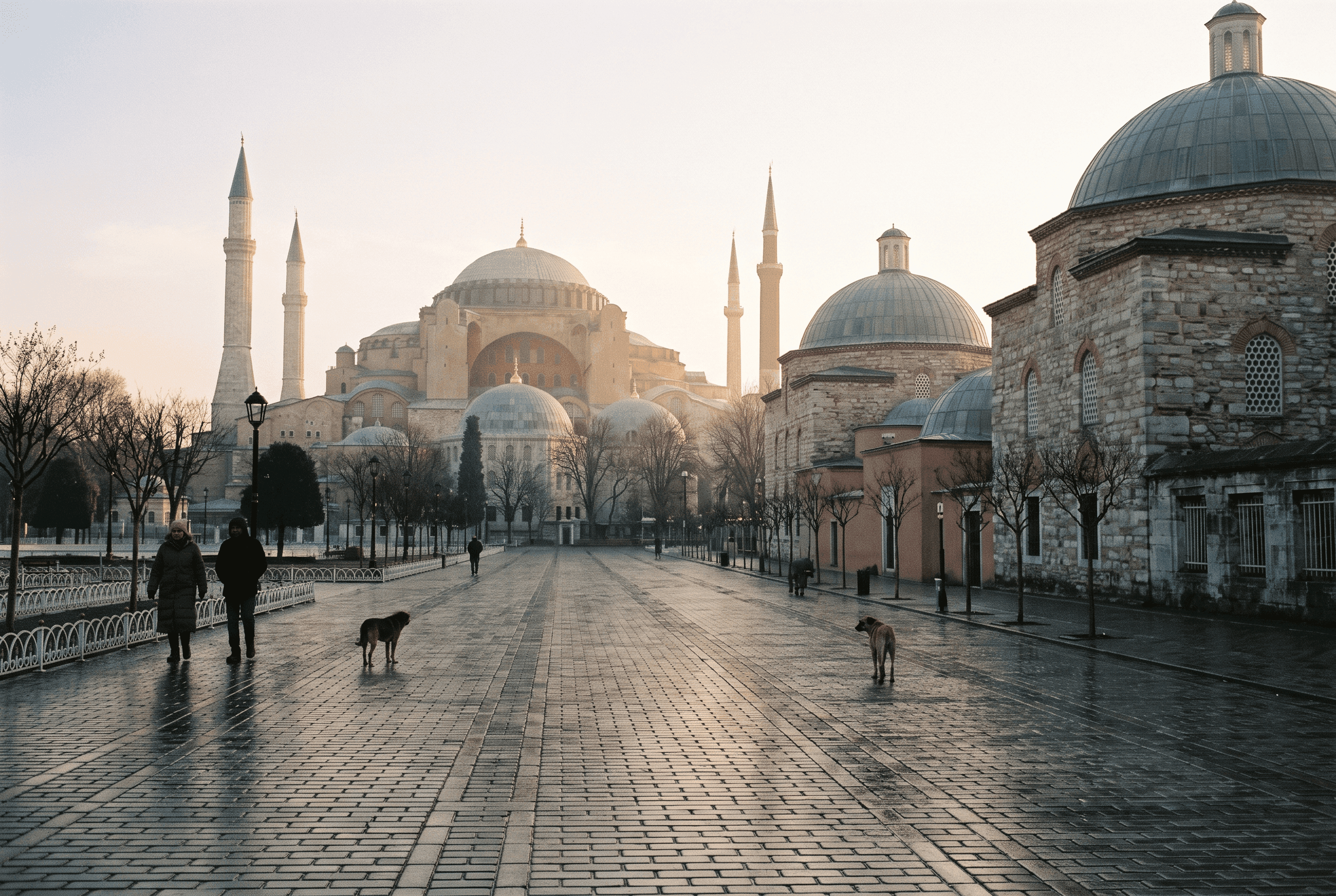
Today is all about timing. Take the T1 tram to Sultanahmet and be at Hagia Sophia by around 08:30, before the 09:00 opening.
Hagia Sophia essentials:
- Ticket: since 2024, foreign visitors use a separate paid route to the upper galleries. Tickets cost around €25 (about AED 100). The ground floor is kept for worshippers.
- Friday closures: the visitor route closes during prayer times and for longer on Fridays around midday prayer. Plan Hagia Sophia for a non-Friday morning.
- Dress code: shoulders and knees covered. Women need a headscarf.
- Queues: by mid-morning, the line can take over an hour. At opening time it usually takes 15–30 minutes.
Next, walk across the square to the Blue Mosque (Sultan Ahmed Mosque). Entry is free, but it closes to visitors for about 90 minutes around each prayer time. The same dress code applies, and you remove your shoes.
Topkapı Palace is right behind Hagia Sophia. Plan at least 2.5 hours there. Expect 2,000–3,000 TRY (AED 160–240) with the Harem section. It is closed on Tuesdays. The Museum Pass Istanbul covers Topkapı and several other museums. It does not include Hagia Sophia or the Basilica Cistern, so check whether it saves you money.

Day 2 Midday and Afternoon: Basilica Cistern, Bazaars and Süleymaniye
The draft's advice is right: save the Basilica Cistern for noon. Underground it stays cool and dim all day, so it is a relief when Sultanahmet's streets are hottest, especially in June–September.
What to expect at the cistern:
- Ticket: daytime tickets for foreigners cost around 1,300–2,000 TRY (AED 105–160). Evening sessions cost more.
- Crowds: noon is also busy with tour groups. Book online to skip the ticket queue, and allow 30–45 minutes inside.
- Highlights: the two Medusa-head column bases and the art installations added after the 2022 restoration.
In the afternoon, walk west:
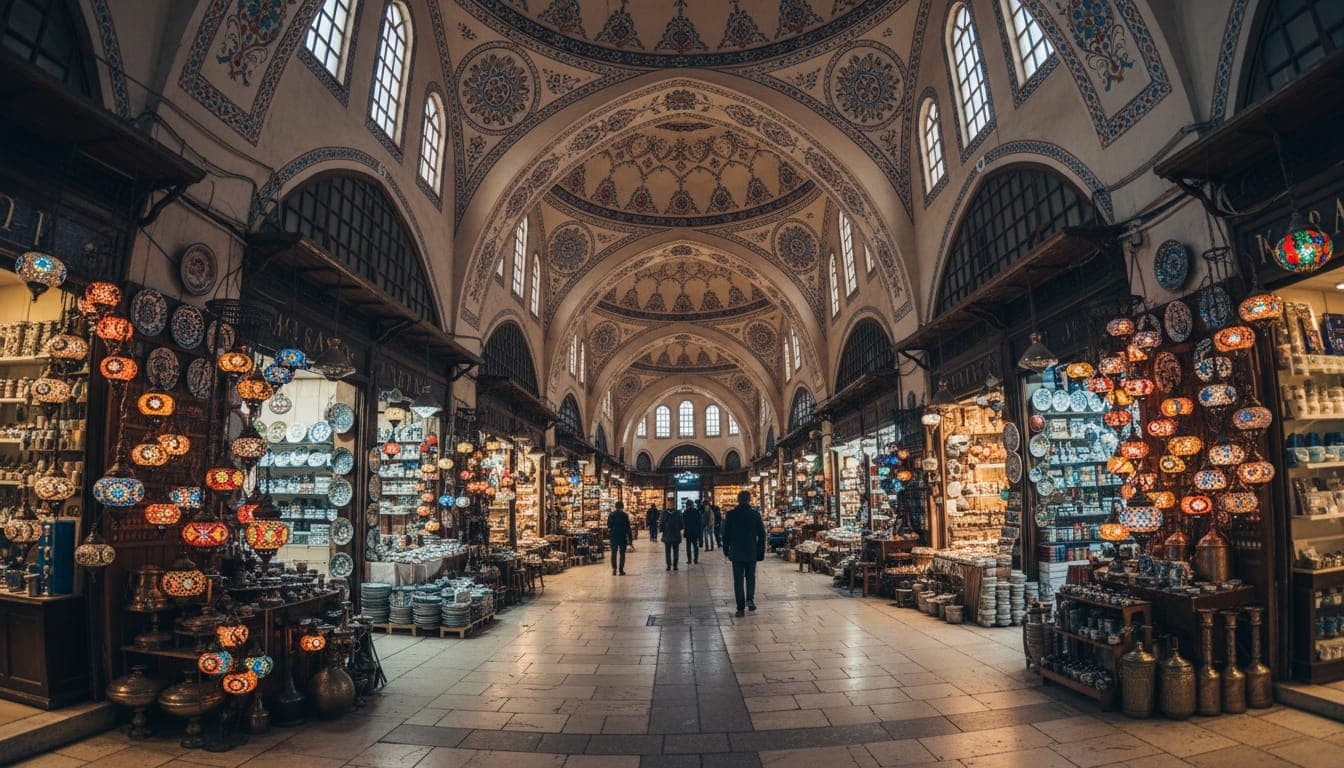
- Grand Bazaar (Kapalıçarşı): closed on Sundays. Haggling is expected in the carpet, lamp and leather shops. Don't feel pressured to buy "just tea" with a salesman.
- Süleymaniye Mosque: Sinan's masterpiece, with a terrace looking over the Golden Horn. It is calmer and more impressive than many visitors expect.
- Spice Bazaar (Mısır Çarşısı) in Eminönü: good for lokum (Turkish delight), dried fruit and saffron. Prices here are aimed at tourists. The streets just outside are cheaper.
Finish with a balık ekmek (grilled fish sandwich) by the Galata Bridge, about 250–400 TRY. Then take the ferry back across the water.
Day 3: The Full Bosphorus on the Public Ferry
Skip the tour boats. Şehir Hatları runs the Long Bosphorus Tour (Uzun Boğaz Turu) from Eminönü. It is a regular public ferry that goes the whole length of the strait. It stops at Beşiktaş, Kanlıca, Sarıyer and Rumeli Kavağı before turning round at Anadolu Kavağı, near where the strait meets the Black Sea.
How it works:
- Morning departure: about 10:35 from Eminönü, with an extra sailing in summer. Arrive 30 minutes early for a seat on the side you want. The left (port) side faces the European shore on the way up.
- Journey time: about 1.5 hours each way. The ferry waits around 3 hours at Anadolu Kavağı before returning in mid-afternoon.
- Tickets: a round trip costs roughly 400–700 TRY (AED 32–55). Check the current schedule on the Şehir Hatları website before you go, because it changes by season.
At Anadolu Kavağı, walk 25–30 minutes uphill to Yoros Castle for views over the Black Sea entrance. Wear proper shoes, because the path is steep. Archaeological work has sometimes limited access to the castle itself, but the viewpoint is still worth the climb. Back in the village, fried mussels (midye tava) and grilled fish are the local lunch. Confirm the price per portion before you order, because the waterfront restaurants are aimed at day-trippers.
| Public ferry (Şehir Hatları) | Private tour boat | |
|---|---|---|
| Price | ~400–700 TRY return | ~€15–30 for 1.5–2 hrs; €40+ dinner cruises |
| Route | Full strait to Black Sea mouth | Usually turns back at the second bridge |
| Stops | Six villages, free time ashore | Usually none |
| Crowd | Locals and independent travellers | Tour groups, loud commentary |
| Flexibility | Fixed timetable | Many departures a day |
Short on time? Take any regular commuter ferry instead, such as Eminönü–Üsküdar or Beşiktaş–Kadıköy, and pay with your Istanbulkart. You'll get a shorter taste of the Bosphorus for the price of a metro ride.
Budget, Seasons and Honest Caveats
Typical daily costs per person (mid-range, excluding hotel):
- Transport with Istanbulkart: 150–250 TRY (AED 12–20)
- Meals, mixing street food and sit-down meals: 1,500–3,000 TRY (AED 120–240)
- Sightseeing: Day 2 is the expensive day. Hagia Sophia, the cistern and Topkapı together cost around AED 400–500.
- Hotels: mid-range rooms in Karaköy or Kadıköy usually cost AED 350–750 per night, and more in peak season.
Best time to go: April–May and September–October bring mild weather and thinner crowds. July–August is hot and humid, and the sights are packed. Winter is cheap, but it rains often and some ferries run a reduced schedule.
Caveats worth knowing:
- Common scams: watch out for the friendly stranger who suggests a bar, the dropped shoeshine brush, and restaurants without printed prices.
- Price checks: entry prices in euros and lira change often. Confirm on official sites such as muze.gov.tr and the Hagia Sophia and cistern ticketing pages.
- Closures: mosques close to visitors at prayer times, and the Grand Bazaar is shut on Sundays. Plan around both.
- Entry rules: UAE and most GCC passport holders can enter Türkiye visa-free. Other nationalities resident in the Gulf should check e-Visa eligibility well before flying.
Is three days enough for Istanbul?
Three days covers the essentials: one day on the Asian side, one in the historic peninsula, and one on the Bosphorus. You will not see everything. Galata, Balat, the Princes' Islands and the Dolmabahçe Palace would each need extra time. If you can add a fourth day, use it for Balat, Fener and the Golden Horn.
How much does Hagia Sophia cost for tourists in 2026?
Foreign visitors enter through a separate paid route to the upper galleries, priced at around €25 (about AED 100). The ground floor is reserved for worship. The visitor route closes during prayer times, especially on Friday around midday. Arrive before the 09:00 opening to keep queues short, and dress modestly. Women need a headscarf.
Which Istanbul airport is better for this itinerary?
Sabiha Gökçen (SAW) on the Asian side is convenient because the M4 metro connects directly to Kadıköy, where Day 1 begins. Istanbul Airport (IST) has more long-haul and full-service flights and is linked to the city by the M11 metro and Havaist buses. Compare total fares and arrival times rather than choosing by airport alone.
Can I pay for the Bosphorus ferry with an Istanbulkart?
Yes. Regular commuter ferries across and along the Bosphorus accept the Istanbulkart at standard fares. The Şehir Hatları Long Bosphorus Tour is a special route with its own fare, and you can buy tickets at the Eminönü pier. Check the seasonal timetable online beforehand, and arrive early in summer to get a good seat.