Istanbul Day Trips by Public Transport: Islands, Bursa, Edirne and the Black Sea
Five day trips from Istanbul you can do on ferries, metros and intercity buses, with realistic timings, typical costs in AED and lira, and what to eat.
10 min read
Why leave Istanbul for a day
Once you have done the Old City, Kadıköy and a Bosphorus ferry, the best way to understand Istanbul is to step outside it. Within two to three hours by boat, metro or intercity bus you reach the car-free Princes' Islands, Bursa (the first Ottoman capital), Edirne with Mimar Sinan's finest mosque, and Black Sea fishing towns where locals spend their weekends.
These trips suit Gulf and Levant travellers on a second or third visit, families wanting a quieter day, and anyone in town for four nights or more. They are also cheap. Most of the transport costs around AED 5–60 return, and lunch is usually cheaper than in central Sultanahmet or Beyoğlu.
Which trip suits whom:
- Easiest: Princes' Islands. One ferry, no planning.
- Best for history and food: Bursa or Edirne. Both make long days, so start early.
- Best for nature and sea air: Şile, Ağva, Kilyos and Belgrad Forest.
April–May and September–October are the sweet spot. The islands are manageable, the Black Sea is swimmable into early October, and Bursa's mountain cable car runs in clear weather. Avoid summer weekends on the islands and public holidays on any intercity route if you can.
Princes' Islands: Büyükada and Heybeliada by city ferry
Getting there:
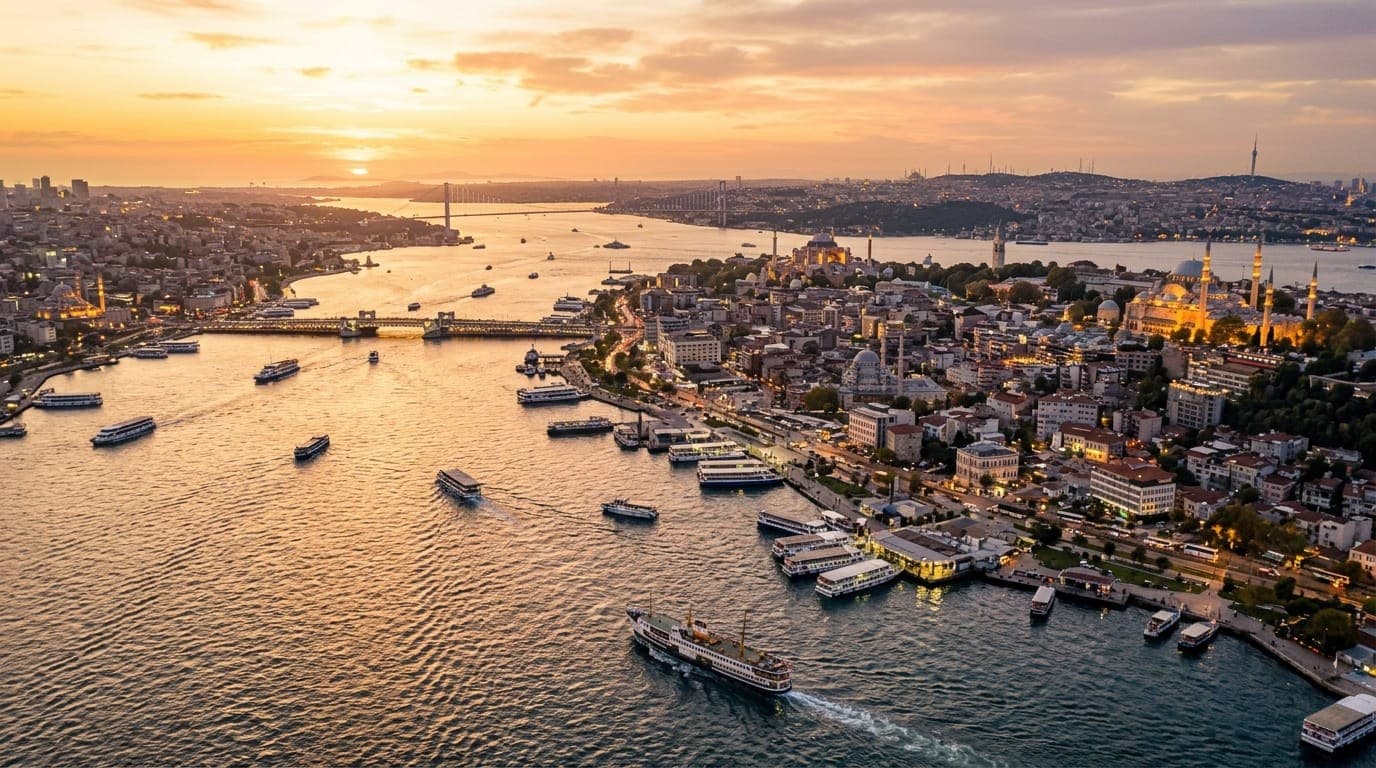
- Şehir Hatları city ferries leave from Kabataş (end of the T1 tram) and Eminönü for the islands, calling at Kınalıada, Burgazada, Heybeliada and Büyükada.
- Allow around 1 hr 20 min–1 hr 40 min to Büyükada.
- You pay with an İstanbulkart. The fare is a little higher than a metro ride but typically under AED 5 each way.
- From the Asian side, faster boats leave from Bostancı in around 30–40 minutes.
On Büyükada:
- The horse-drawn phaetons were withdrawn in 2020. Today you walk, rent a bicycle (typically AED 15–30 for a few hours) or use the municipal electric vehicles.
- The classic walk climbs Yücetepe hill to the Aya Yorgi monastery for sea views, about 45–60 minutes uphill from the pier.
- Along the way you pass wooden Ottoman-era mansions on Çankaya Caddesi.
On Heybeliada:
- It is quieter and greener, with the hilltop Halki Seminary and pine-shaded coves.
- Two islands in one day is comfortable. Take an early boat to Heybeliada, then hop to Büyükada for lunch, since ferries link them every 30–60 minutes.
Food: fish restaurants on the Büyükada waterfront charge around AED 70–140 per person for meze and grilled fish. Simit and tea on the ferry cost a fraction of that.
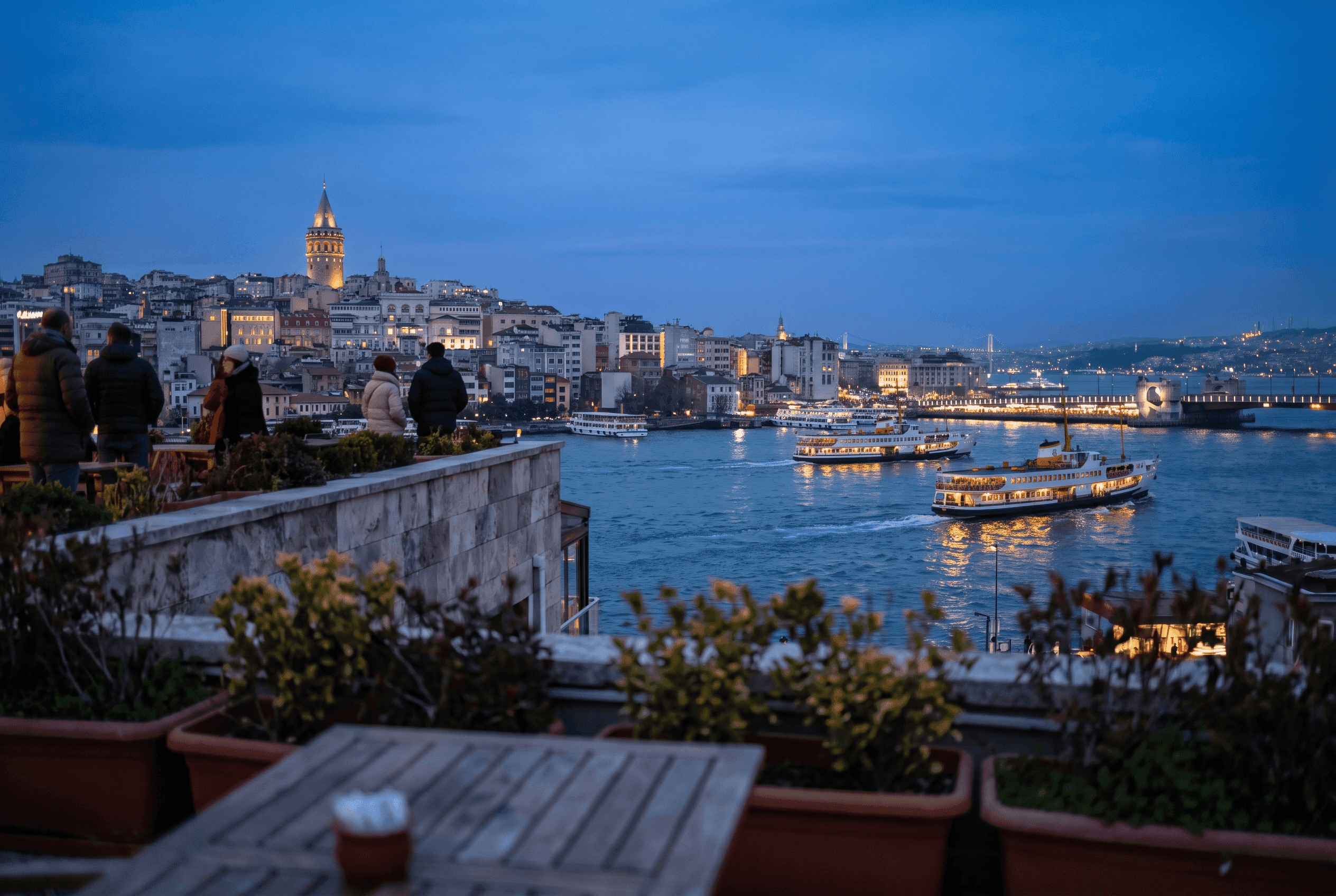
Tip: take the ferry back around sunset and sit on the left (starboard) side for the Old City skyline.
Bursa: silk khans, İskender kebab and the Uludağ cable car
Bursa was the Ottoman capital before Edirne and Istanbul. It is the most rewarding long day trip, and the sea crossing is part of the fun.
Getting there:
- Fast ferry: IDO fast ferries run from Yenikapı (on the M1, M2 and Marmaray lines) to Bursa Güzelyalı. They take around 1 hr 30 min–2 hrs and typically cost AED 30–55 each way. Book a few days ahead for weekends.
- From the pier: local buses connect Güzelyalı to the BursaRay metro and the city centre. Allow 45–60 minutes.
- By bus: intercity buses from Esenler or Alibeyköy otogar take around 2.5–3 hours via the Osmangazi Bridge.
What to see in the centre (walkable):
- Ulu Camii, with its 20 domes and indoor fountain.
- Koza Han, a 15th-century silk khan with a tea garden in the courtyard.
- The covered bazaar streets around them.
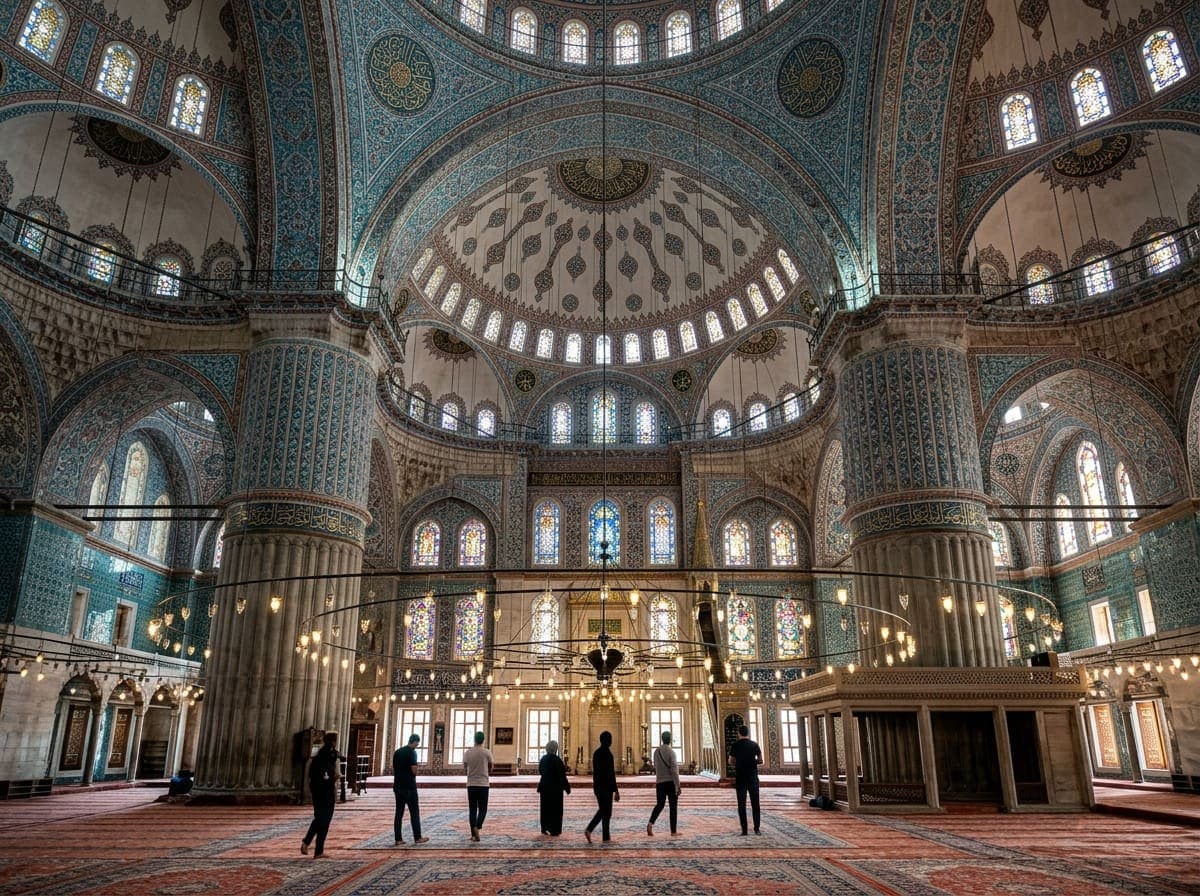
- A 15-minute walk east brings you to the Yeşil Camii and Yeşil Türbe, covered in turquoise İznik-style tiles.
Food: the essential lunch is İskender kebab: döner over pide with tomato sauce, yoghurt and sizzling butter. The family-run Kebapçı İskender on Ünlü Caddesi is the original, typically AED 35–55 per portion. Take home kestane şekeri, Bursa's candied chestnuts.
Cable car: with time and clear skies, the Teleferik climbs from Teferrüç station towards Uludağ. It is one of the longest cable cars in the world, at around 30–40 minutes each way.
Timing: you cannot do the cable car, the city sights and the village of Cumalıkızık in one day. Pick two.
Edirne: Selimiye Mosque and the Ottoman frontier city
Edirne sits near the Greek and Bulgarian borders. It holds Selimiye Mosque, which Mimar Sinan considered his masterpiece. Its single dome rests on eight pillars and seems to float above the prayer hall. It is UNESCO-listed and worth the trip alone.
Getting there:
- Several bus companies run from Esenler and Alibeyköy otogar roughly hourly, taking around 2.5–3 hours.
- Expect fares typically equivalent to AED 30–50 each way, booked through the company websites or at the counter.
- Edirne's bus station is outside the centre. Take a dolmuş or a taxi (around 10–15 minutes, typically AED 10–15).
A good order for the day:
- Selimiye Mosque first, before tour groups arrive. Dress modestly; women need a headscarf.
- Eski Cami and Üç Şerefeli Camii, both a five-minute walk away.
- The Ali Paşa Bazaar for lunch and souvenirs: fruit-shaped soaps and almond paste.
- A short ride or a 30-minute walk to the Bayezid II Complex. Its Health Museum shows how Ottoman doctors treated patients with music and running water.
- Finish at the Meriç Bridge for the riverside sunset.
Food: Edirne's signature dish is tava ciğer, thin slices of fried calf's liver with crisp fried chillies. It is typically AED 25–40 in the many ciğerci shops near the bazaar.
Tip: buy your return ticket on arrival. The last evening buses fill up on Fridays and Sundays.
Şile and Ağva: the Asian Black Sea coast
For sea air rather than monuments, head to the Black Sea on the Asian side.
Şile:
- City buses run from Üsküdar to Şile in around 1 hr 45 min–2 hrs. You pay with your İstanbulkart, so the ride costs just a few dirhams.
- Check the current route number and timetable in the İETT or Moovit app. Weekend services are busier, so board at the start of the line.
- The town has a striped lighthouse, a small Genoese-era castle on an islet, and long sandy beaches.
- Swimming is good in July–September, but the Black Sea has strong currents. Swim only where lifeguard flags are up.
- Shops sell Şile bezi, a light gauze cotton fabric made into shirts and scarves (typically AED 40–120 per piece).
Ağva:
- Ağva is about 35–45 minutes further west by dolmuş (pay cash). It sits where the Göksu and Yeşilçay rivers meet the sea.
- Rent a rowing boat or canoe on the Göksu (typically AED 30–60 an hour), then eat river-side.
- Food: order fresh fish when in season (hamsi in autumn and winter), corn bread and a village breakfast spread. Expect AED 50–90 per person.
Timing: both towns in one day is possible but tight. Most people choose one, or stay a night in Ağva in September.
Belgrad Forest, Kilyos and Rumelifeneri: the European north
The northern edge of Istanbul's European side is forest and fishing villages, reached from the end of the M2 metro at Hacıosman.
Belgrad Forest:
- Locals come to walk or run under oak and beech. The easiest entrance is Neşet Suyu near Bahçeköy, reached by city bus from Hacıosman or Sarıyer in around 25–35 minutes.
- A loop of around 6 km around the reservoir takes about 1.5 hours on flat paths, which suits families.
- Ottoman-era water bents (dams) and the aqueducts that once fed the city are scattered through the forest.
Kilyos (Kumköy):
- This is the nearest proper Black Sea beach, around 40–50 minutes by bus from Hacıosman or Sarıyer.
- Beach clubs charge entry from around AED 30–80 on summer weekends. Weekdays are calmer.
Rumelifeneri:
- A fishing village at the mouth of the Bosphorus, with a lighthouse, a ruined Genoese fortress and fish restaurants. Buses also run here from the Sarıyer area.
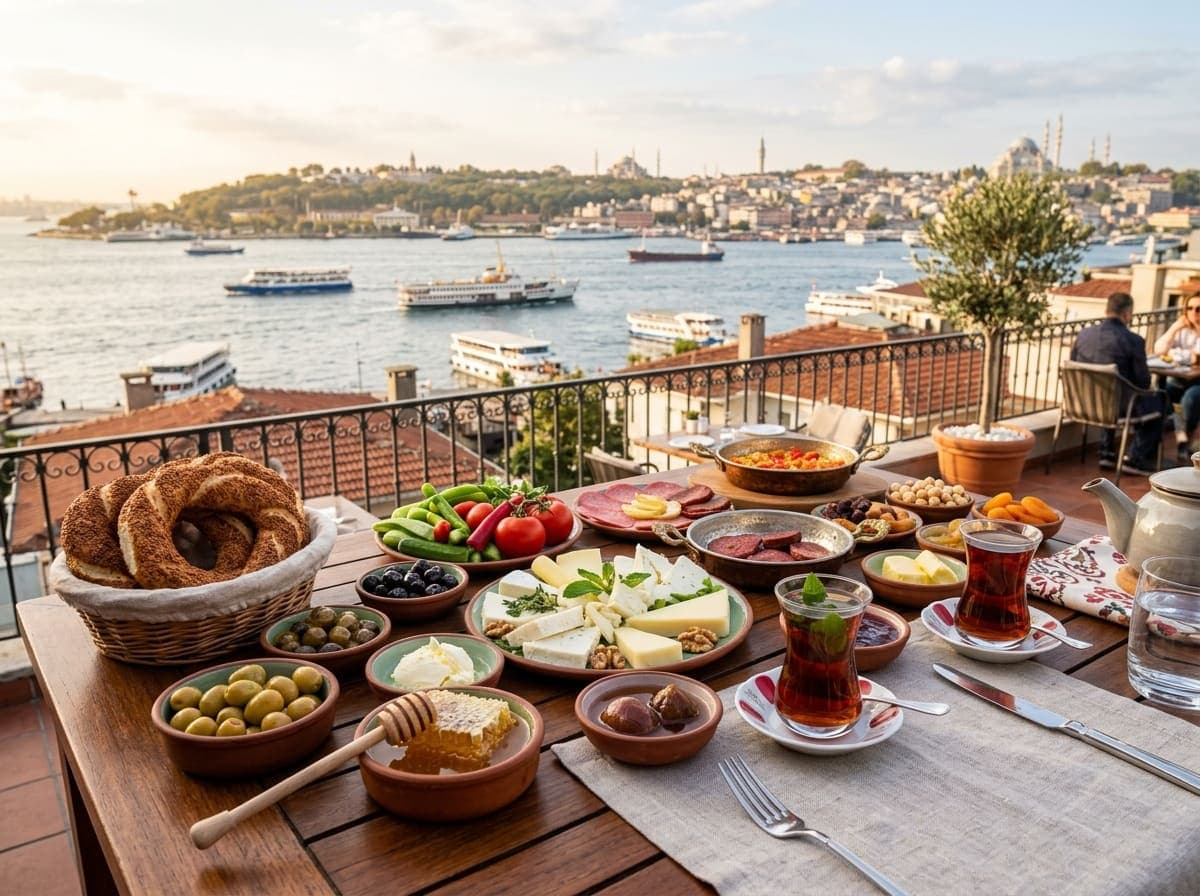
- A long breakfast here on a Sunday is an Istanbul ritual. Expect AED 45–80 per person for the full spread of cheeses, olives, kaymak with honey and menemen.
How to combine: pair the forest in the morning with lunch in Sarıyer. Börek at the old Sarıyer börekçi shops is the local speciality. Return by metro, or by a Bosphorus ferry from Sarıyer pier.
Choosing and sequencing: a five-day plan
Mix day trips with city days so you are not on a bus every morning. This plan assumes a hotel near Karaköy, Sirkeci or Kadıköy, where ferries and metro are close.
Day 1 – Princes' Islands.
- Ferry from Kabataş around 08:30–09:00.
- Heybeliada in the morning, Büyükada for lunch and the Aya Yorgi climb.
- Sunset ferry back. A relaxed first day while you adjust.
Day 2 – Bursa.
- Leave on an early IDO fast ferry from Yenikapı (aim for one departing by around 07:30–08:30).
- Ulu Camii and Koza Han, İskender lunch, then the Green Mosque or the Teleferik.
- Evening ferry back, home around 21:00–22:00. This is the longest day.
Day 3 – City rest day.
- Hammam, a slow breakfast in Beşiktaş's breakfast street, shopping in Nişantaşı or Kadıköy market.
Day 4 – Edirne.
- Bus around 07:30 from Esenler.
- Selimiye before noon, tava ciğer lunch, Bayezid II Complex, Meriç Bridge.
- Bus back around 17:00–18:00.
Day 5 – Belgrad Forest and Sarıyer, or Şile in warm months.
- An easy half-to-full day, finishing with a ferry from Sarıyer down the Bosphorus.
General tips:
- Bursa and Edirne are the two days that need booking ahead. Everything else runs on your İstanbulkart.
- Leave a buffer day before your flight. Avoid scheduling Bursa or Edirne on your last day, in case of delays.
Practical: IST arrival, transport cards, money and safety
Getting from IST to the city:
- Istanbul Airport is linked to the city by M11 metro to Gayrettepe (M2 connection) and Kağıthane, and by Havaist buses to Taksim, Sultanahmet, Kadıköy and other hubs.
- Allow 60–90 minutes door to door. Flights from Dubai, Abu Dhabi, Doha, Amman and Beirut typically take around 3–4.5 hours.
İstanbulkart:
- Buy one at any metro, tram or ferry station machine. It covers metro, tram, Marmaray, city buses and Şehir Hatları ferries, including those to the islands.
- One card can pay for several people.
- In most stations you can also tap a contactless bank card.
- It does not work in Bursa or Edirne. Use contactless or a local card in Bursa, and cash for dolmuş and taxis in both.
Money:
- The lira moves fast, so check the rate before you go. Recently, AED 1 has been worth roughly 11–13 TRY.
- Cards are accepted almost everywhere in Istanbul and Bursa.
- Carry AED 50–100 worth of lira in cash for minibuses, simit stalls, tips and small village restaurants.
- Withdraw cash from bank ATMs (Ziraat, İş Bankası, Garanti) rather than standalone machines with high fees.
Safety:
- These routes are safe and well used by Turkish families.
- Watch bags on crowded weekend ferries and at otogars.
- Use the official taxi ranks at bus stations, or BiTaksi in Istanbul.
- Respect lifeguard flags on Black Sea beaches; rip currents cause drownings every summer.
- Mosque dress codes apply in Edirne and Bursa as in Istanbul.
Read more: Istanbul · Airport to City Centre: Istanbul, Dubai and Cairo Transfers Without the Stress · Three Days in Istanbul: Kadıköy, the Old City at Opening Time, and the Bosphorus by Public Ferry
Which Istanbul day trip is best if I only have one spare day?
Choose by what you enjoy. The Princes' Islands are the easiest: one ferry with your İstanbulkart and no booking. For history and food, Bursa is the most rewarding, but it is a 12-hour day, so book an early IDO fast ferry from Yenikapı.
Can I use my İstanbulkart for all these trips?
Yes, for the Princes' Islands ferries, buses to Şile, the M2 metro to Hacıosman and the buses to Belgrad Forest, Kilyos and Rumelifeneri. No for intercity buses to Edirne, the IDO ferry to Bursa, or local transport inside Bursa and Edirne. Use contactless cards or cash there.
Are these day trips suitable for families with children?
Very. The islands, with bicycles and electric vehicles, and the flat paths of Belgrad Forest are ideal. The Bursa cable car is a highlight for older children. Edirne is mostly mosques and bazaars, and the six hours of bus travel can be tiring for young kids.
Is it worth staying overnight instead?
For Bursa and Ağva, yes, if you have time. A night in Bursa lets you combine the city, Cumalıkızık and the Teleferik without rushing. Ağva is lovely for a slow riverside evening in September. Edirne and the islands work well as day trips.
When are the islands too crowded?
Summer weekends and public holidays, especially Eid periods, when ferries and Büyükada's streets are packed. Go on a weekday in April–May or September–October, and take a morning ferry before 09:30.