Salalah in 3 Days: Frankincense Ruins, Monsoon Waterfalls and Empty Beaches
A realistic 3-day Salalah plan: frankincense sites, Wadi Darbat, Mirbat and the Mughsail blowholes, with timings, drives and costs in OMR and AED.
10 min read
Why Salalah deserves three full days
Salalah, the capital of Dhofar, is the one place on the Arabian Peninsula where the landscape changes completely with the season. From late June to mid-September the southwest monsoon, the khareef, pushes mist and drizzle onto the Jebel Qara and Jebel Samhan escarpments. Hills turn green, seasonal waterfalls run in Wadi Darbat and daytime temperatures sit around 23–28°C while Dubai and Riyadh swelter above 45°C. In winter the mist clears, the sea turns calm and turquoise, and you get long, empty beaches at 26–30°C.
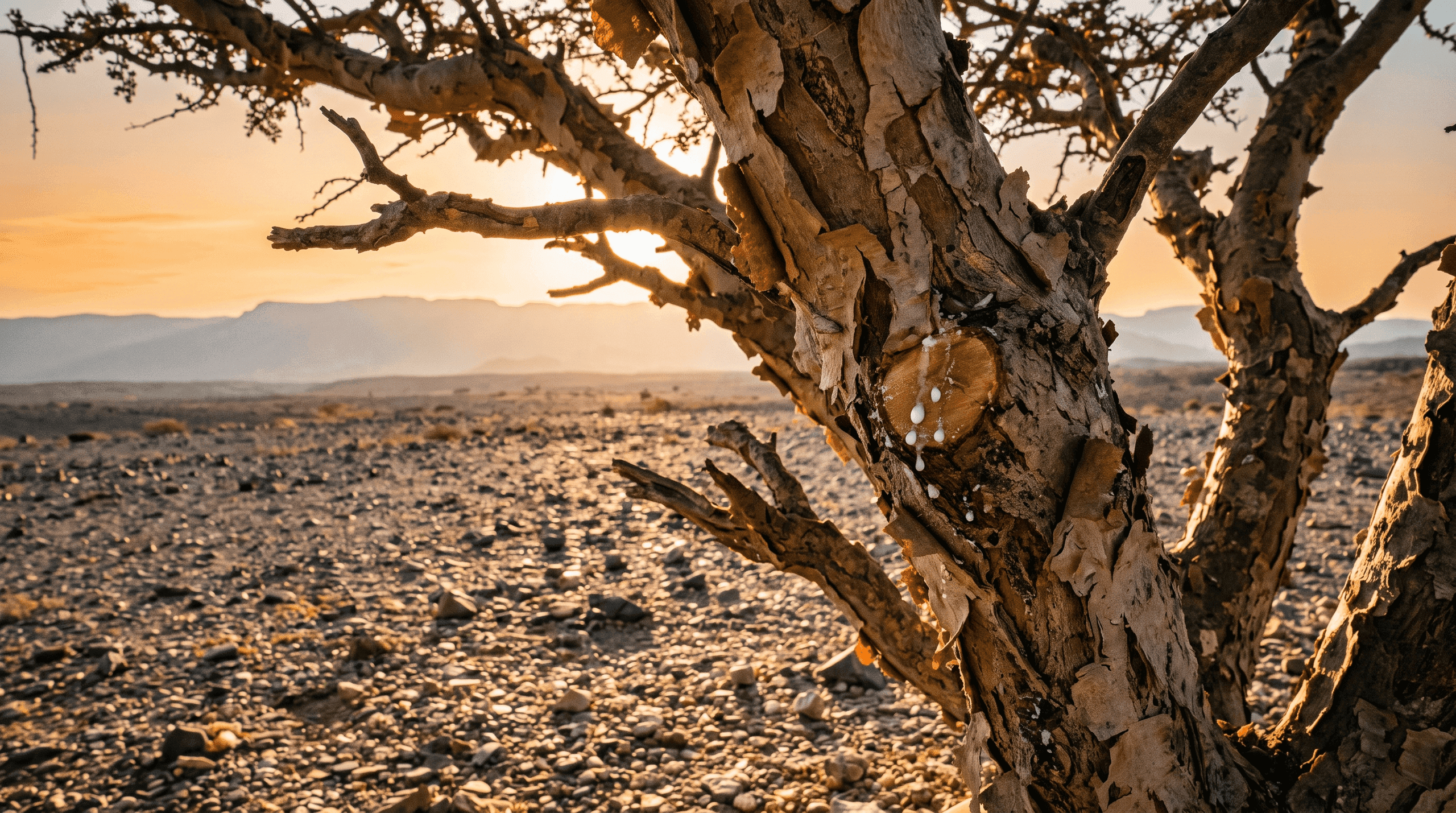
It is also where the frankincense trade began. Al Baleed, Sumhuram and the Wadi Dawkah tree reserve all belong to the UNESCO-listed Land of Frankincense, and resin is still sold by weight in Al Haffa Souq. The city has banana and coconut plantations and roadside stalls selling fresh coconuts for a few hundred baisa.
Three days is the sweet spot. You get one day in and around the city, one day on the eastern coast and escarpment, and one day west towards the Yemeni border cliffs. It's short enough for a long weekend from the Gulf and long enough to avoid spending the whole time behind the wheel. The plan below works in both seasons, and the day sections flag what changes between khareef and winter.
Khareef or winter: choosing your window
Your season shapes the whole trip, so decide this before you book anything.
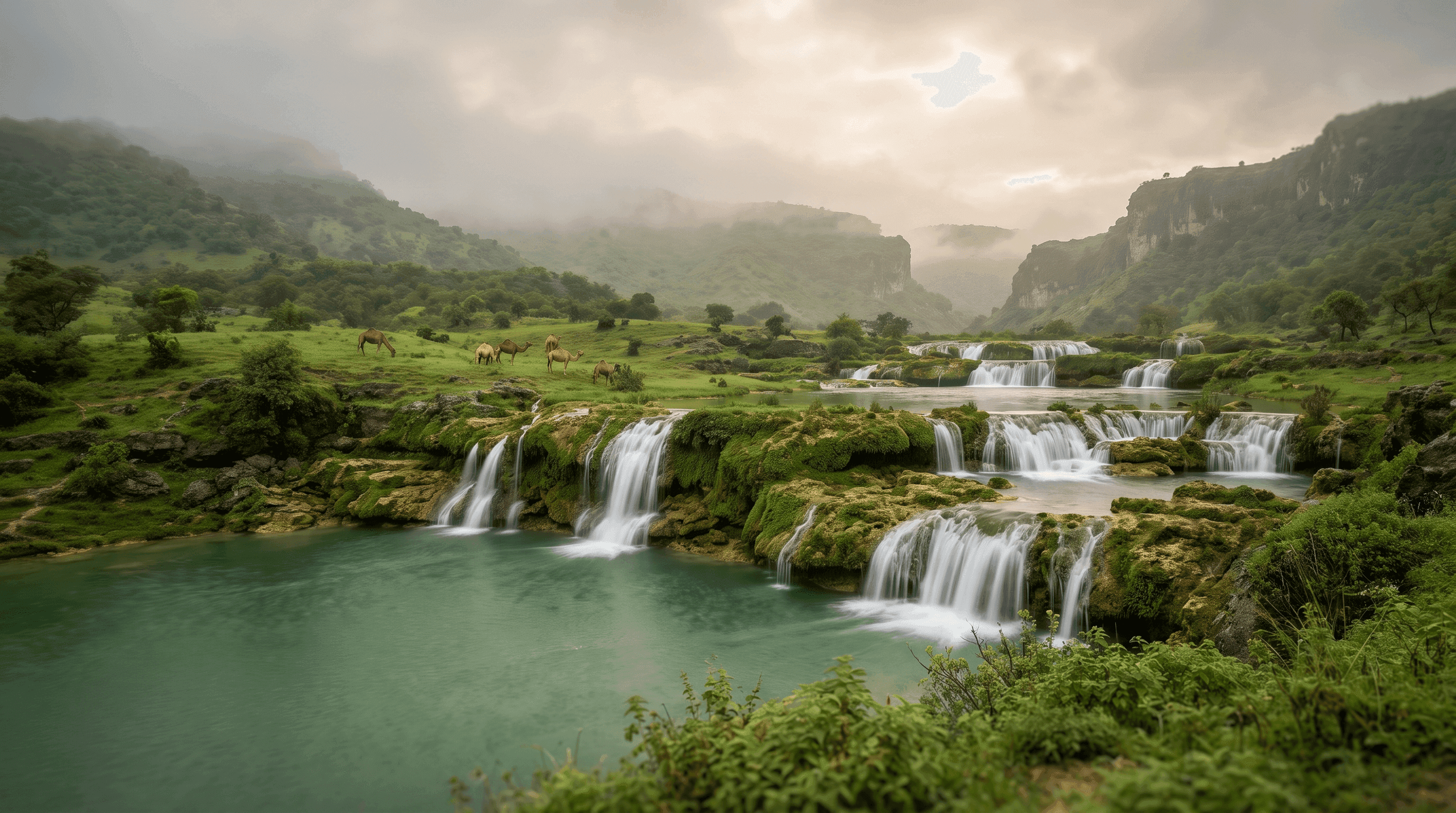
Khareef (July–August, peak). This is Gulf family season. Expect green hills, fog, light drizzle, waterfalls at Wadi Darbat and Ayn Athum, and camels grazing on wet grass. The Salalah Khareef Festival runs at the Ittin/Itteen area with food stalls and evening events. The downsides: flights and hotels often cost double or more, traffic on the mountain roads is heavy at weekends, fog can cut visibility to a few metres, and the sea is closed to swimming. Red flags go up because the currents are dangerous. Book flights and a rental car 6–10 weeks ahead.
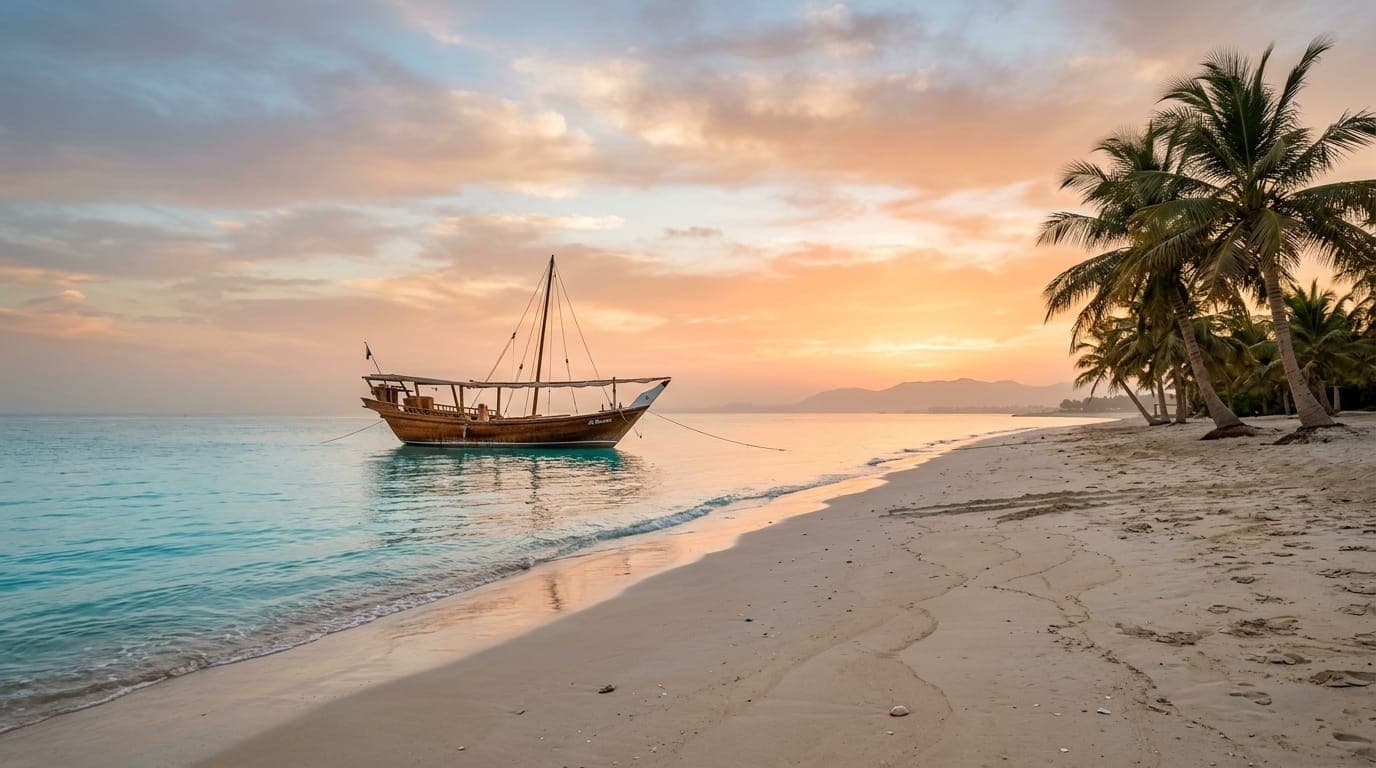
Winter (November–February). This is the beach season. The sky is clear, the sea is calm enough to snorkel, and the Fazayah and Mughsail coves are at their most photogenic. The hills are brown and the waterfalls are dry, but the Wadi Darbat lake usually keeps some water and the escarpment views are sharper without fog. Prices drop noticeably, and European charter tourists fill the Hawana and Al Mughsail resorts around Christmas.
Shoulder months are a gamble. September is still green but getting drier, with fewer crowds. March–May gets hot and humid, and June is the transition, with rough seas before the rains start.
If you want green and cool, go in the last week of July or in August. If you want to swim, go from December to February.
Day 1: Frankincense, souqs and the city
08:00 – Wadi Dawkah (around 45 minutes north on the Thumrait road). Start early to see thousands of Boswellia sacra trees on a gravel plain. There's a short walkway and entry is free or nominal. Don't cut the bark; it's protected.
10:30 – Al Baleed Archaeological Park and Museum of the Frankincense Land. Back on the coast in the city, walk the ruins of the medieval port along the lagoon, then use the air-conditioned museum for the maritime and history halls. Allow 2 hours. Entry is typically around 2 OMR (around 19 AED) for non-Omanis, and electric carts run around the site.
13:00 – Lunch. Head to one of the Turkish, Yemeni or Kerala-style restaurants on Al Salam Street or near Al Haffa. Mandi or grilled fish runs around 3–5 OMR (around 30–50 AED).
15:30 – Rest. The midday heat in winter and the humidity in khareef make this a good time for a break.
17:00 – Al Haffa Souq. Buy frankincense, from grey shaabi to pale green hojari. A bag typically costs 1–10 OMR (around 10–95 AED) depending on grade. You'll also find clay burners, Dhofari perfume oils and embroidered dresses. Next, visit the tomb of Nabi Imran nearby.
18:30 – Coconut stalls. Drive the plantation road towards Al Dahariz and stop at a roadside stall. A fresh coconut costs around 0.3–0.5 OMR, and bananas and papaya are sold by the bunch.
20:00 – Sultan Qaboos Mosque (outside only after hours) and dinner. The mosque is lit up at night. For dinner, try Dhofari madhbi or mishkak skewers.
Day 2: The eastern escarpment, Sumhuram and Mirbat
This is the longest day, at around 180–200 km of driving with stops. Leave by 07:30.
08:00 – Ayn Razat (around 25 minutes). A spring-fed garden with pools and palms, popular with families. In khareef you can continue to Ayn Athum, whose waterfall is often running.
09:30 – Wadi Darbat (around 40 minutes from the city via Taqah). In khareef this is the showpiece: layered waterfalls, a lake with pedal boats typically around 3–5 OMR, cattle on green slopes and tea stalls selling karak. In winter it's quieter, with a lake, a limestone cliff and caves. The Darbat viewpoint above the dry falls is still worth the drive.
11:30 – Sumhuram (Khor Rori). A frankincense port founded around the 3rd century BC, sitting above a lagoon where flamingos gather in winter. Entry is typically around 2 OMR. Allow an hour.
12:45 – Taqah. The small 19th-century Taqah Castle takes 30 minutes. Have a simple fish lunch in town for around 2–4 OMR.
14:30 – Mirbat (around 30 minutes east). See the old merchant houses with carved wooden windows, the fort and the harbour. Just outside town is the Bin Ali tomb, with its white domes and old cemetery.
16:30 – Jebel Samhan viewpoint. Climb to around 1,500 m for cliffs and a sweeping view to the coast. In khareef it's often fogged in, so check before committing. In winter it's clear and gets cold after sunset, so bring a layer.
19:30 – Back in Salalah (around 75 minutes).
Day 3: West to Mughsail, Fazayah and Nabi Ayoub
08:00 – Head west on the coast road. Mughsail is around 45 minutes from the city centre.
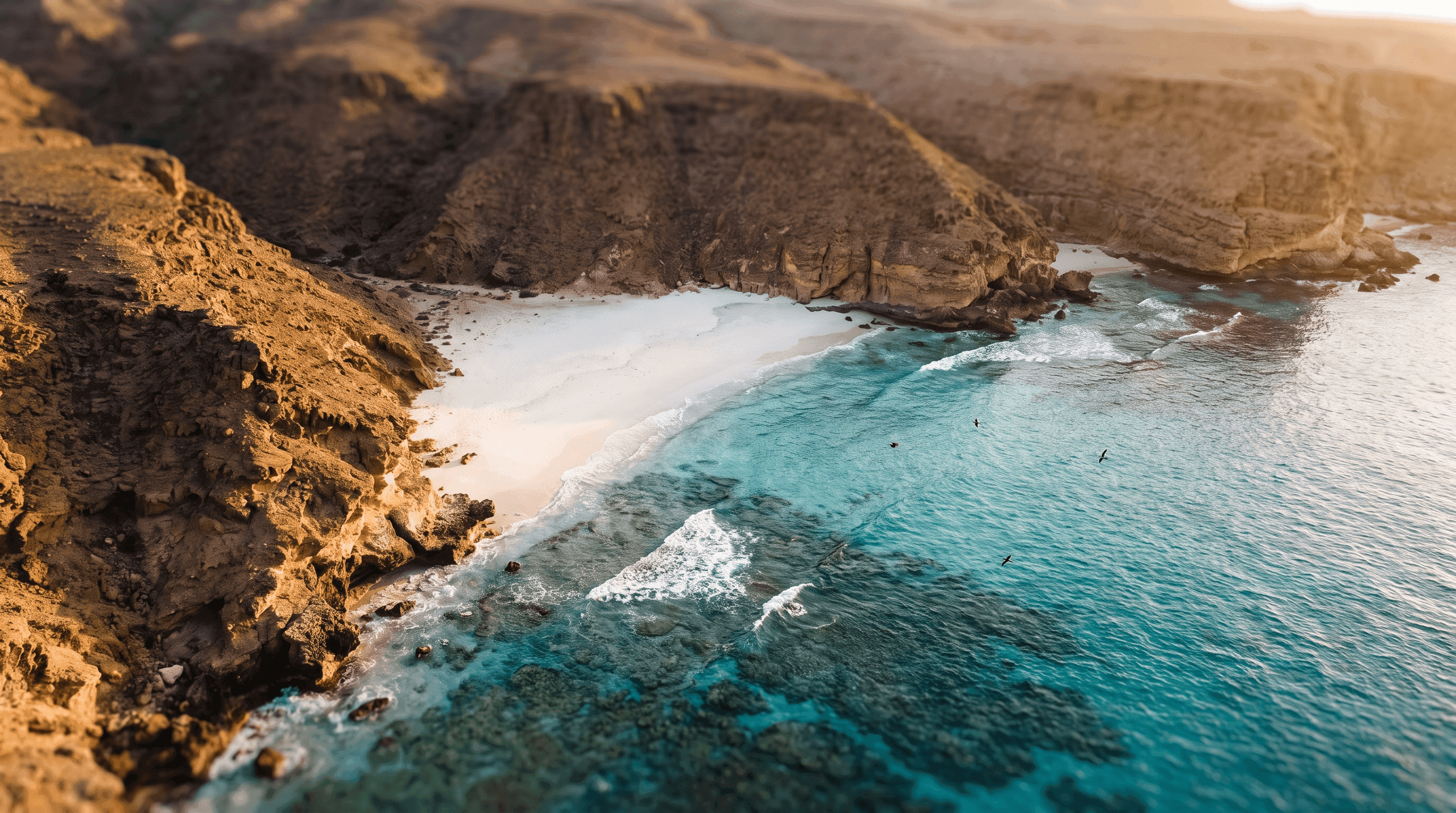
08:45 – Al Mughsail Beach and Marneef Cave. A long, wide beach backed by cliffs. At the western end, the blowholes under Marneef Cave shoot seawater through the rock. They're most dramatic in khareef, when the swell is big. Stay behind the railings; the rocks are slick. Entry is free, and the parking has kiosks selling coconut water and snacks.
10:00 – The switchback road towards Dalkut. Stop at viewpoints above the hairpins for views of the cliffs and sea. Many drivers stop at the so-called anti-gravity point to watch a car in neutral appear to roll uphill. It's an optical illusion, but it's become a fixture.
11:00 – Fazayah Beach. Reached by a steep but paved descent, with a final short stretch that's easier in a 4x4. In winter this is the best swimming and snorkelling cove on the trip, with white sand and clear water. In khareef, admire it from the viewpoint and don't swim. Bring water and shade; there are no facilities.
13:30 – Lunch back towards Mughsail. A seafood restaurant near the beach typically charges around 3–6 OMR.
15:30 – Tomb of Nabi Ayoub (Prophet Job). It's on Jebel Qara near Itteen, around 40 minutes up from the city. You'll find a quiet shrine, a small mosque and valley views. Dress modestly, and women should cover their hair.
17:30 – Itteen and the escarpment. In khareef this is where the festival grounds and tea tents are. Watch the sunset over the mist before returning for a late dinner.
What to eat in Salalah
Dhofari food overlaps with Yemeni cooking, and a large South Indian community shapes the everyday eating scene. Budget around 5–10 OMR (around 50–95 AED) a day for good local meals, or 20–35 OMR for a hotel dinner.
- Madhbi: meat grilled on hot stones, usually goat. It's often sold at roadside grills on the way up to the jebel.
- Lahm mishkak: marinated beef skewers from evening grills. A handful costs around 1–2 OMR.
- Shuwa: meat slow-cooked in an underground pit. It's traditionally made for Eid, but in khareef some restaurants and festival stalls serve it.
- Fresh fish: kingfish, tuna and hammour grilled with lime. It's cheapest in Taqah and Mirbat.
- Omani halwa and Dhofari sweets: sold in Al Haffa and Al Hafa Road shops. Tubs typically cost around 2–6 OMR.
- Fresh coconut, bananas and papaya from the plantation stalls, the cheapest and freshest snack in the region.
- Karak and Kerala food: parotta, fish curry and biryani cost around 1–3 OMR in the city's small restaurants.
Most restaurants close for Friday midday prayers. In khareef the popular places get busy late, so expect crowds after 21:00. Tap water is treated but most visitors drink bottled. A large bottle costs around 0.2–0.3 OMR.
Where to stay and what three days cost
Areas. Hawana (east of the airport, around 30 minutes to the city) has resorts, a lagoon and beach, but you'll drive for everything. The Al Baleed and Al Haffa coast keeps you close to the souq, museum and restaurants. The city centre and Al Saada have the cheapest apartments, which suits families in khareef.
Typical nightly rates:
- Mid-range hotels and serviced apartments: winter around 20–40 OMR (around 190–380 AED), khareef around 45–90 OMR (around 430–860 AED).
- Beach resorts in Hawana, Al Baleed and Mughsail: winter around 60–150 OMR (around 570–1,430 AED), khareef often 120–250 OMR or more.
Other costs for three days (per couple):
- Rental car (a compact SUV is enough): winter typically 12–25 OMR a day, khareef 25–45 OMR. That's around 40–130 OMR (around 380–1,240 AED) for the trip.
- Fuel: around 8–12 OMR for this itinerary.
- Entries (Al Baleed, Sumhuram, boats): around 10–15 OMR.
- Food: around 30–60 OMR.
A sensible mid-range total, excluding flights, is around 180–300 OMR (around 1,700–2,850 AED) in winter and 350–600 OMR (around 3,300–5,700 AED) in peak khareef. Book khareef apartments early, because the good ones sell out by May.
Practical: flights, driving, money and safety
Getting there. Salalah Airport (SLL) is around 10–15 minutes from the city. Oman Air and SalamAir fly from Muscat in about 1 hour 40 minutes. Direct flights from Dubai, Sharjah, Abu Dhabi, Doha, Riyadh, Jeddah and Kuwait run on flydubai, Air Arabia, SalamAir and others in about 2–2.5 hours. Khareef routes add extra frequencies. Winter return fares from the UAE typically run around 700–1,500 AED, and khareef fares can double. Driving from Muscat is around 1,000 km and 10–12 hours, a common khareef road trip for Omanis and Emiratis.
Getting around. You need a car. There's no useful public transport for sightseeing, and taxis are unmetered, so agree the fare first. Rent at the airport, and a 2WD handles everything above except the last stretch to Fazayah. In khareef, drive slowly in fog with headlights on (not high beams), and watch for camels and cattle on the jebel roads. Speed cameras are common.
Money. The Omani rial (OMR) is worth around 9.5 AED. Cards work in hotels, malls and most restaurants. Carry cash for coconut stalls, souq bargaining and small village cafés. ATMs are widespread in the city.
Entry. GCC nationals need only an ID. Many GCC residents and other nationalities qualify for visa-free entry or an eVisa, so check the Royal Oman Police site before you fly.
Safety. Salalah is very safe. The real risks are the sea (never swim under red flags), wet cliff edges at Mughsail and Jebel Samhan, and night driving on the mountain roads. Dress modestly away from resort beaches.
Is three days enough for Salalah?
Yes, for the main highlights: the frankincense sites and souq, the eastern escarpment with Wadi Darbat, Sumhuram and Mirbat, and the western coast from Mughsail to Fazayah. Add a fourth day if you want a slower pace, a full beach day in winter, or a trip to the Empty Quarter dunes near Thumrait.
Can I swim in Salalah during khareef?
No. From roughly June to mid-September the sea is rough with strong currents, and red flags close the beaches. Swim in hotel pools, and come in November–February if beaches are your priority.
Do I need a 4x4 in Salalah?
Not for this itinerary. A regular car or compact SUV reaches Wadi Darbat, Mirbat, Jebel Samhan, Mughsail and Nabi Ayoub on paved roads. A 4x4 only helps on the final steep stretch to Fazayah Beach and for desert trips inland.
How much does a 3-day Salalah trip cost from the UAE?
In winter, a mid-range couple typically spends around 1,700–2,850 AED on the ground plus around 700–1,500 AED per person for return flights. In peak khareef, expect ground costs around 3,300–5,700 AED and higher airfares, so book early.
Where should I buy frankincense in Salalah?
Al Haffa Souq near Al Baleed has the widest choice. Ask to see the grades side by side. Pale green or white hojari is the premium grade and costs more than darker, smaller pieces. Bargain politely, and buy a clay burner and charcoal discs if you'll burn it at home.