When to Visit Batumi: A Month-by-Month Guide to Weather, Sea, Crowds and Prices
Batumi changes completely through the year. Here is how sea temperature, rain, crowds, events and hotel prices shift each month, so you can choose your dates well.
10 min read
Why Timing Matters More in Batumi Than Almost Anywhere in Georgia
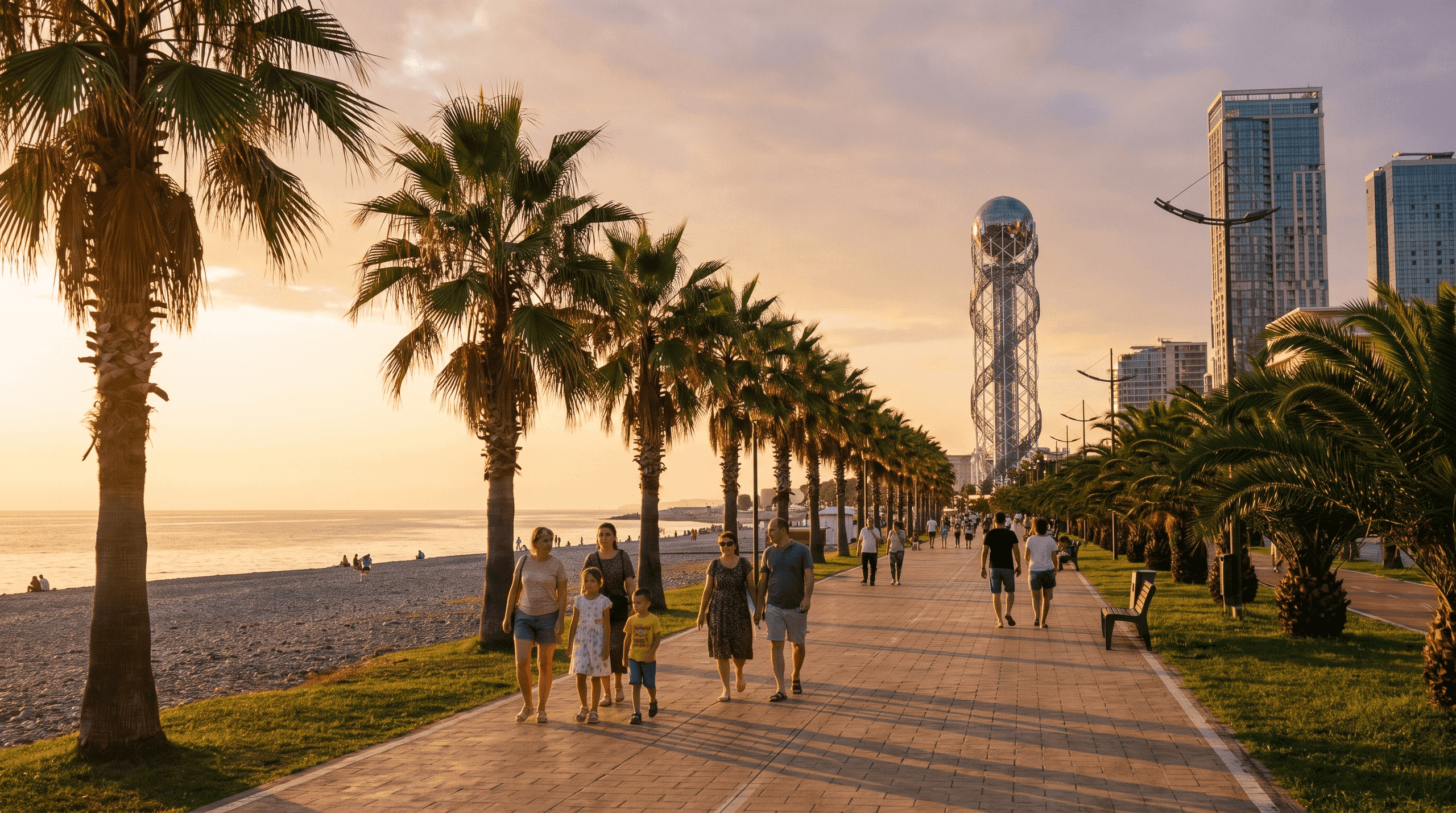
Batumi looks like one city on a postcard and behaves like three different cities across the year. In July and August it is a crowded Black Sea resort. The Batumi Boulevard is packed until midnight, beach bars along the pebbles play music late, and hotel rates roughly double. In May, June and September it is a pleasant subtropical town with a swimmable sea and space on the promenade. From November to March it is a quiet, rainy port where many beach businesses close and you share the dancing fountains with locals walking their dogs.
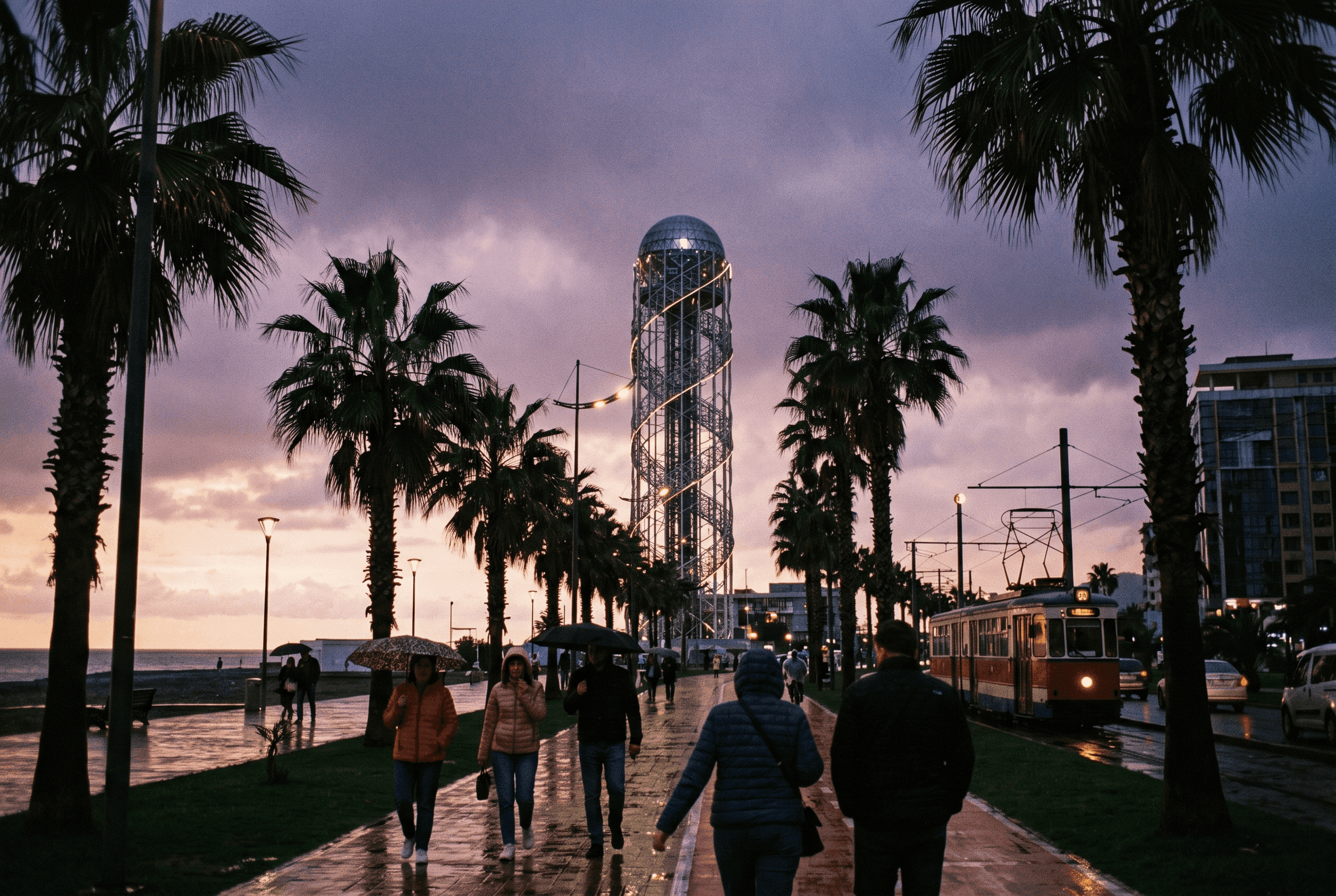
The main fact to plan around is rain. Batumi is the wettest city in Georgia and typically receives well over 2,000 mm of rain a year. Most of it falls from September to January. The humidity that keeps the Batumi Botanical Garden green also means a sunny forecast can turn to cloud by mid-afternoon.
For Gulf and Levant travellers there is a second point. Batumi's peak months are exactly when the Gulf is at its hottest. Daytime highs of around 26–28°C feel very comfortable compared with home. That is also why many families from the region book it, so peak-season prices climb fast.
This guide goes month by month through weather, sea temperature, crowds, events and typical hotel costs. Our earlier guides cover daily budgets and a 3-day itinerary. Use this one to choose your dates.
Batumi's Climate at a Glance: Temperatures, Sea and Rain
These are typical values. Individual years vary, especially for rainfall.
- January–February: highs around 10°C, lows around 3–4°C. Sea around 9–10°C. Frequent rain, occasional light snow that rarely settles.
- March: highs around 12°C. Sea around 9–10°C. Grey and damp, with the first camellias and magnolias flowering in the Botanical Garden.
- April: highs around 16°C. Sea around 12–13°C. Mixed weather, greener hills.
- May: highs around 20°C. Sea around 17–18°C. One of the driest months.
- June: highs around 24°C. Sea around 21–23°C. Swimming season properly begins.
- July: highs around 27°C. Sea around 24–25°C. Humid, with short thunderstorms possible.
- August: highs around 27–28°C. Sea around 25–26°C, the warmest of the year.
- September: highs around 24°C. Sea around 23–24°C. Rain increases noticeably in the second half.
- October: highs around 20°C. Sea around 20°C. Often the wettest month, with heavy downpours.
- November–December: highs around 12–16°C. Sea around 14–17°C. Long rainy spells.
A few practical notes:
- Humidity often sits around 75–85% in summer. 27°C feels warmer than the number suggests, but nothing like Dubai or Riyadh.
- Rain usually comes in bursts. Even in October there are bright, clear days when you can see the Adjara mountains from the seafront.
- The sea stays warm late. It holds its heat into early October, so September swimming is often better than in June.
May and June: Green Hills, Warming Sea, Fair Prices
May is our pick for travellers who care more about scenery than swimming.
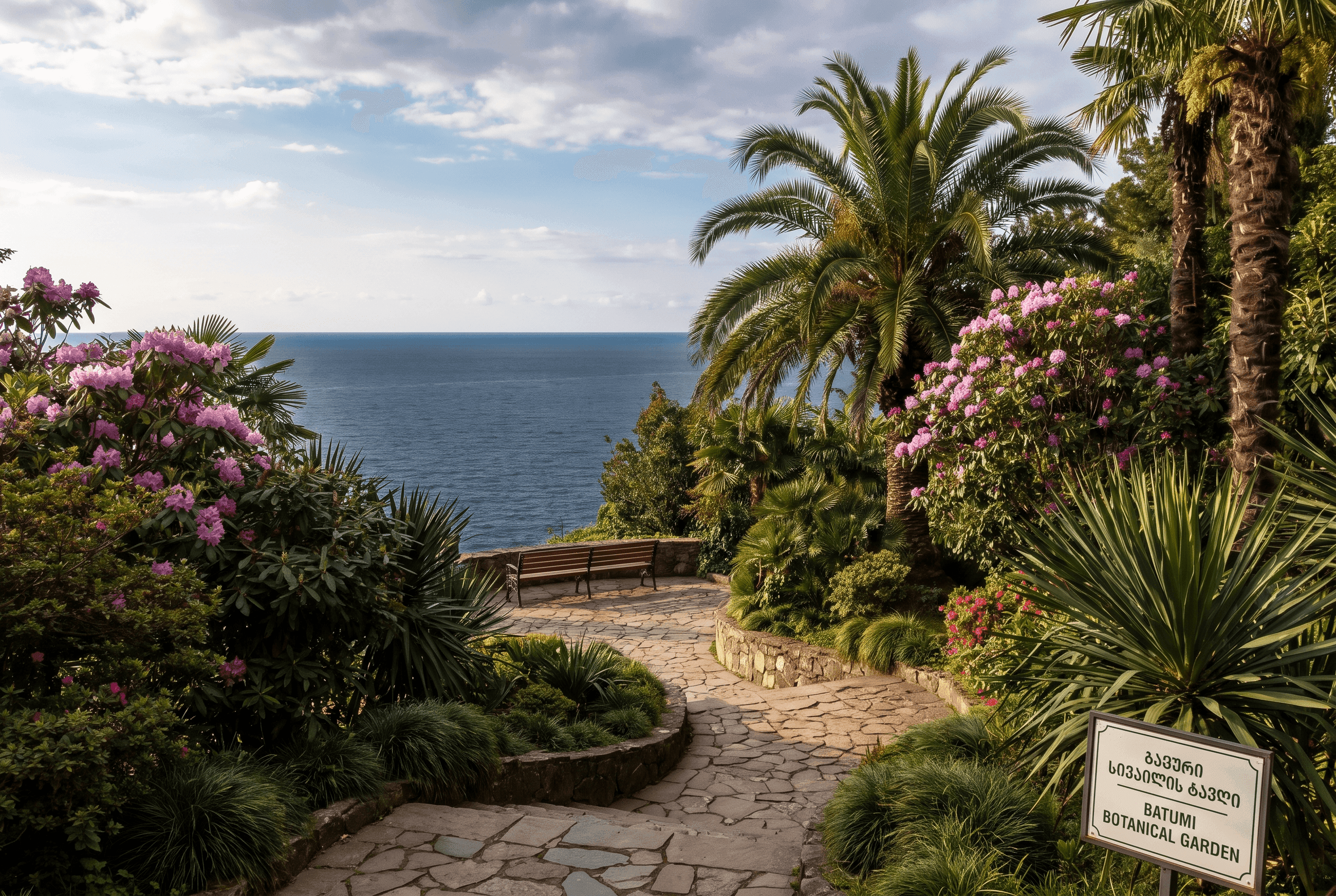
- What you get: the hills behind the city are bright green, the Makhuntseti waterfall is full from spring rain, and the Botanical Garden at Mtsvane Kontskhi is at its most colourful.
- Sea: around 17–18°C. Only the brave swim.
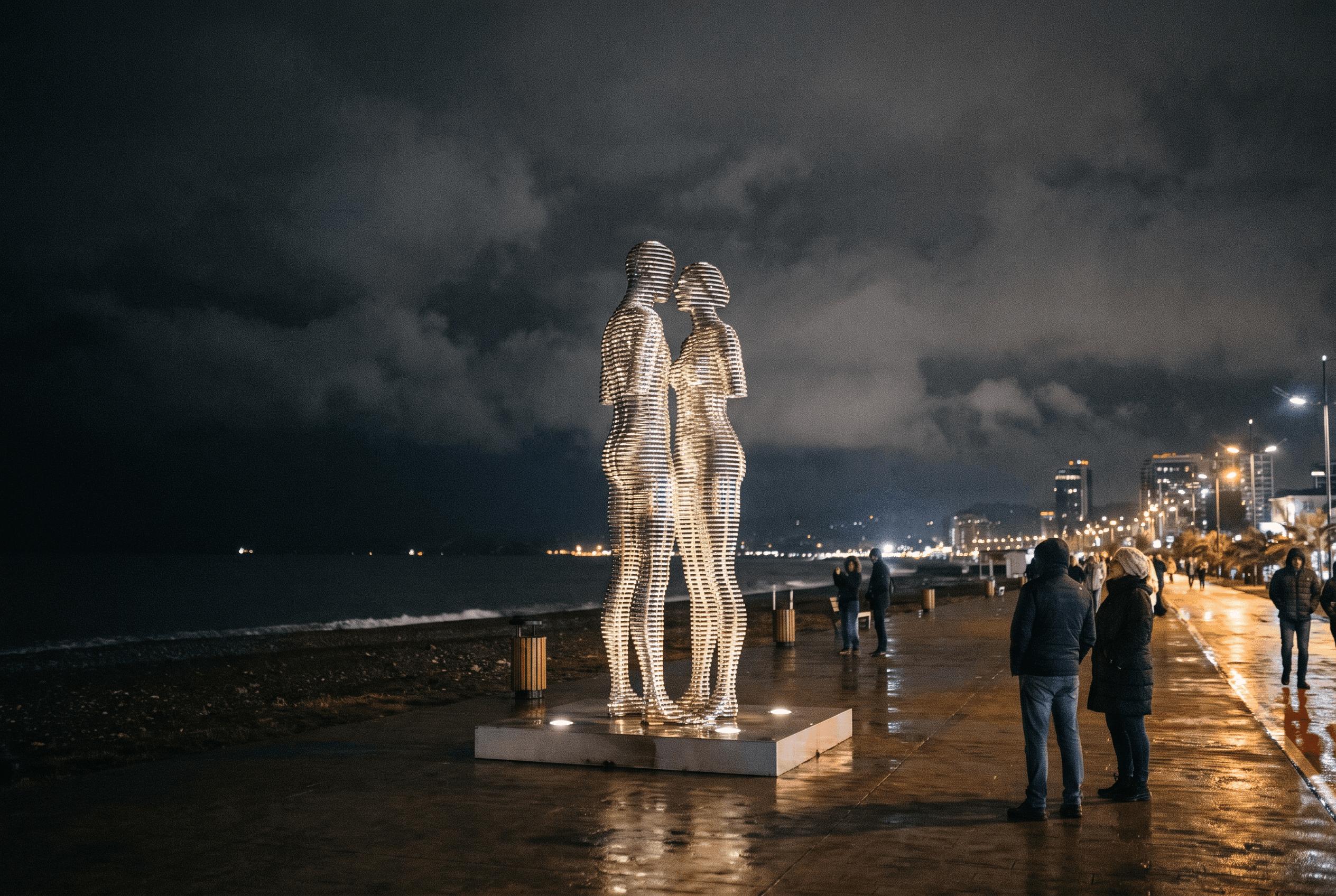
- Weather: days are mostly dry and around 20°C, good for walking the full 7 km boulevard to Ali and Nino and the Alphabet Tower.
- Holidays: 26 May is Georgian Independence Day, and it brings local holidaymakers. Orthodox Easter sometimes falls in early May and fills hotels for a long weekend.
- Hotel prices: a mid-range double near the seafront typically runs around 120–220 GEL (around AED 165–300).
June is the best all-round month for families who want the beach without the August crush.
- Sea: reaches the low 20s°C by mid-month.
- Beach services: sunbed and umbrella rentals reopen, typically around 10–20 GEL per set.
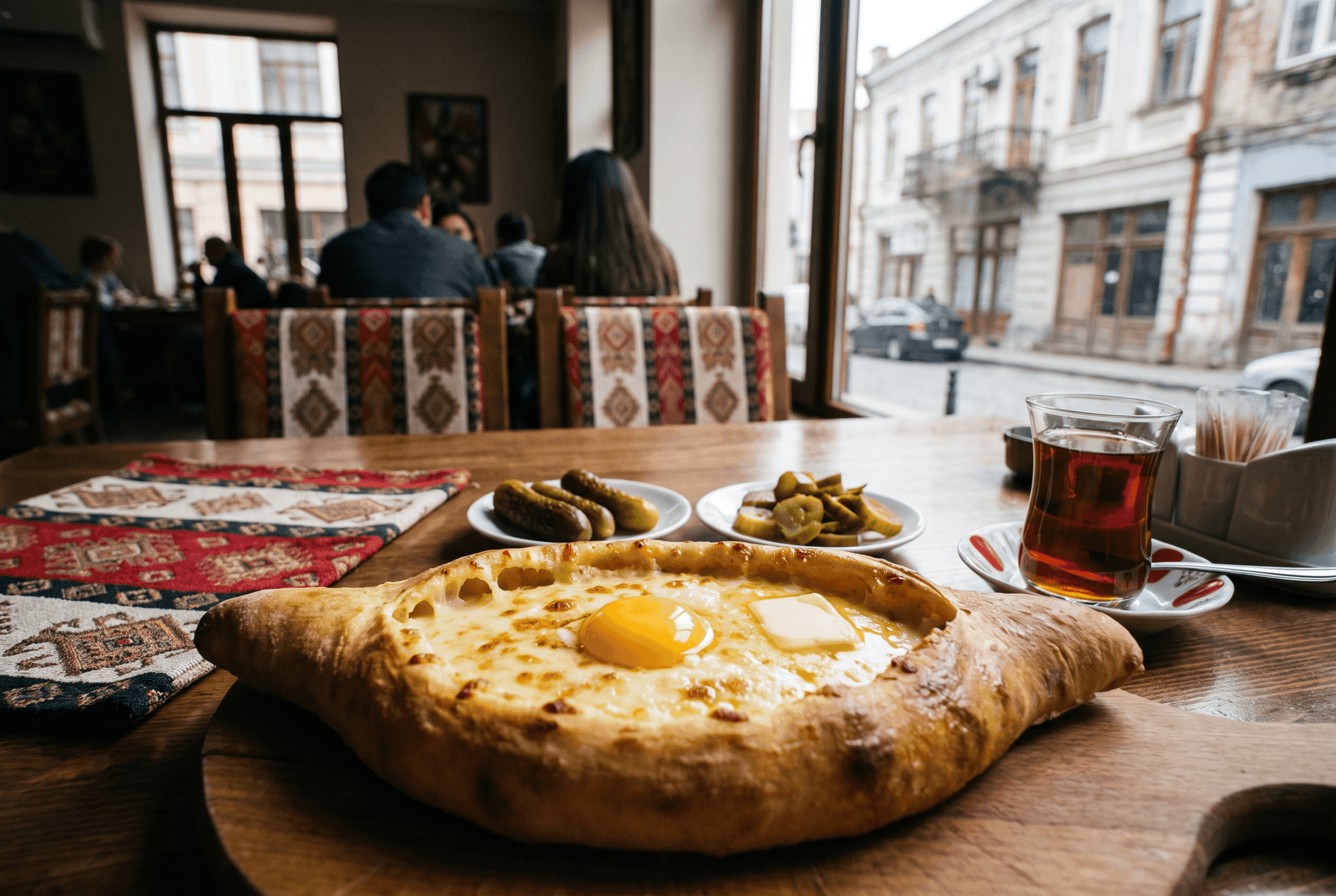
- Food: seafront cafés set up terraces. This is a good time to try Adjarian khachapuri and fresh Black Sea fish at the fish market near the port, where you pick your catch and a neighbouring kitchen fries it.
- Crowds: they build after Gulf schools finish. The first half of June is noticeably calmer than the second.
- Hotel prices: typically around 160–300 GEL (around AED 220–410).
Tip: book early-June flights or buses before the end of May. Prices jump once the summer schedule is fully priced in.
July and August: Peak Beach Season, Peak Everything
This is Batumi at full volume.
What it's like:
- Sea: at its warmest, around 24–26°C.
- Seafront: the boulevard stays busy well past midnight. Turkish, Armenian, Israeli, Gulf and domestic Georgian holidaymakers fill the beaches from the Old Boulevard south to the New Boulevard and the Orbi City towers.
- Atmosphere: if you enjoy crowds, evening fountain shows and late dinners on Piazza, you will love it.
Costs:
- Hotels: a mid-range double typically climbs to around 250–450 GEL (around AED 340–610). Sea-view rooms in the high-rises go higher, especially in early August.
- Short-stay apartments: Batumi has many. They help families on budget, but book weeks ahead.
- Restaurants: prices on the seafront rise. Walk two or three streets inland into the Old Town and menus return to normal.
Events: the Black Sea Jazz Festival has traditionally been held in July, though it has not run every year. Check the current schedule before planning around it. Open-air concerts and beach parties fill most weekends.
Downsides:
- Humidity and storms: sticky weather and occasional evening thunderstorms.
- Busy sights: queues for the Argo cable car and the Botanical Garden, and busy minibuses to Gonio Fortress.
- Traffic: jams on the coastal road toward Kvariati and Sarpi, the clearer-water beaches near the Turkish border, which are around 20–30 minutes south by taxi.
Insider tip: visit the Botanical Garden and Gonio at opening time, around 9:00. Keep the beach for late afternoon, when the light softens and families head back to hotels.
September and October: Warm Sea, Harvest Moods and Raptor Skies
September is the month we recommend most often.
- Sea: still around 23–24°C, often warmer than in June.
- Crowds and prices: schools reopen, so crowds thin sharply after the first week. Hotel prices typically fall back to around 150–280 GEL (around AED 205–380).
- Film: the Batumi International Art-House Film Festival is usually held in September.
- Bird migration: this is one of the best wildlife events in the region. The Batumi Raptor Count watches hundreds of thousands of birds of prey funnel between the mountains and the sea from late August to October. Honey buzzards peak in early September. Watch points sit in the hillside villages of Sakhalvasho and Shuamta, around 30–40 minutes by taxi.
October is a gamble, but often a rewarding one.
- Rain: usually the wettest month, sometimes with downpours that last a day or two.
- Good days: between storms you get clear, warm afternoons around 20°C, an empty boulevard and a sea still around 20°C.
- Food: harvest season across Georgia means markets full of persimmons, tangerines, feijoa and new walnuts. Batumi Central Market on Mayakovski Street is worth an hour.
- Hotel prices: typically around 110–200 GEL (around AED 150–270).
Rainy-day plan for autumn:
- Morning: Adjara Art Museum or the Archaeological Museum.
- Lunch: a long one of borano (cheese melted in butter) and sinori (rolled lavash baked with cottage cheese).
- Afternoon: the Batumi Dolphinarium or the indoor cafés of the Old Town.
- Evening: check the forecast again. Mountain trips to Mtirala National Park need a dry morning.
November to April: Low Season, Low Prices, Local Life
The quiet half of the year suits travellers who want a city break rather than a beach holiday.
What closes: many beach clubs, seafront kiosks and some seasonal restaurants shut from November. The Argo cable car, museums, the Botanical Garden and most Old Town restaurants stay open.
November and December:
- Weather: rain dominates, though mild temperatures, around 12–16°C, make walking possible between showers.
- New Year: Europe Square and the boulevard fill for the countdown with fireworks over the sea.
- Christmas: Orthodox Christmas on 7 January keeps the festive mood going into the new year.
- Hotel prices: typically 90–170 GEL (around AED 120–230), apart from the New Year week.
January to March:
- Prices: the cheapest months. Mid-range doubles often cost around 80–150 GEL (around AED 110–205).
- Snow: rare in the city. Real winter is in the mountains, and Goderdzi ski resort in upper Adjara is around 2.5–3 hours by road.
- Combining trips: you can ski at Goderdzi and eat seafood by the sea in the same trip, which few destinations near the Gulf allow.
April:
- What changes: spring arrives, the tea terraces and citrus groves around Chakvi turn green, and some seasonal cafés reopen.
- Prices: still low.
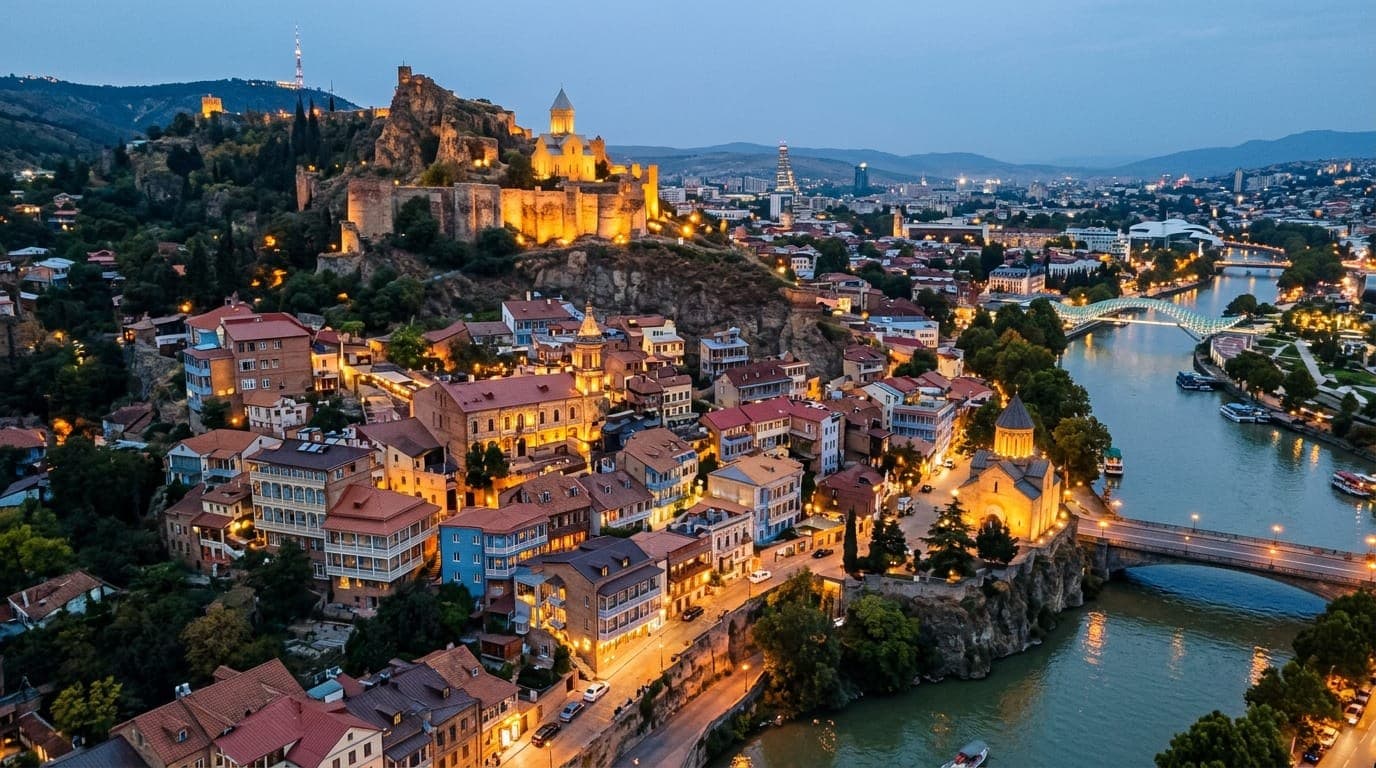
Who low season suits: remote workers, couples on a budget and travellers combining Batumi with Tbilisi, who will find long-stay apartment rates very attractive. Who should skip it: anyone who needs guaranteed sun.
Our Verdict: Which Month for Which Traveller
The best overall month: September. It has the warmest-feeling sea, thinner crowds, fair prices, the film festival and the raptor migration in the hills. Aim for the first three weeks, before autumn rain sets in.
The best month for families on a beach holiday: June. The sea is warm enough for children, all beach services are open, and costs stay below the peak. The first half of the month is the calmest.
The best month for walkers and photographers: May. Waterfalls are full, gardens flower and the air is clear. Pair the coast with a day trip to Machakhela National Park or the old stone bridges of upper Adjara.
The best month for nightlife and atmosphere: late July to mid-August. Accept the prices and book early, ideally two to three months ahead for sea-view rooms.
The best value: January to March. Rates are the lowest of the year and the city is entirely local. Pack a proper rain jacket and waterproof shoes.
Months to approach with caution:
- October and November: expect rain, so pack a flexible plan.
- The Eid holidays, whenever they fall in summer: Gulf demand pushes flight and hotel prices up sharply.
Ramadan: halal-friendly restaurants and Turkish eateries are easy to find year-round in Batumi, and the city's mosque in the Old Town serves the local Muslim community. Low season can be a calm choice during the holy month.
Practical Batumi: Getting There by Bus, Getting Around, Money and Safety
Getting there by bus:
- From Tbilisi: coaches run from the capital to Batumi in around 6–7 hours, typically 30–45 GEL (around AED 40–60). Cheaper marshrutkas leave from Didube station and are faster but less comfortable. Book coach seats ahead in July–August.
- From Kutaisi airport: budget flights land here, and shuttle buses run straight to Batumi in around 2.5–3 hours.
- From Turkey: buses from Trabzon reach the Sarpi border crossing in around 3–4 hours. The crossing is on foot, and Batumi is around 20–30 minutes beyond.
- By air from the Gulf: seasonal direct flights from the UAE have operated in some summers. Check current schedules.
Getting around:
- City buses: typically around 1 GEL per ride, paid by bank card or a Batumi transport card. They cover the seafront, the airport and the Botanical Garden.
- Ride-hailing: Bolt and Yandex Go are cheap, with most city rides around 5–12 GEL (around AED 7–16).
- Walking: the boulevard and Old Town are easy on foot.
Money:
- Currency: the Georgian lari (GEL). 1 GEL is around AED 1.35.
- Cards: widely accepted. Carry cash for markets, minibuses and village guesthouses.
- Exchange: city exchange booths usually beat airport rates.
Entry and safety:
- GCC citizens: visa-free.
- Levant passport holders: rules vary, so check the official Georgian e-visa portal before booking.
- City safety: Batumi is generally safe, including at night.
- Sea safety: watch the flag system. The pebble shoreline drops off quickly and swells pick up after storms.
- Taxis: agree on the fare first or use the apps.
Read more: Batumi · Batumi in 3 Days: Boulevard, Botanical Garden, Waterfalls and Khachapuri · What a Day in Batumi Really Costs: Budget, Mid-Range and Splurge in GEL and AED
What is the best month to visit Batumi?
September is the best all-round month. The sea is still around 23–24°C, crowds thin after the first week and hotel prices fall from summer highs. June is the best choice for families who want reliable beach weather before the July–August peak.
When is the rainy season in Batumi?
Rain falls year-round, but the heaviest months are usually September to January, with October often the wettest. May and June are typically the driest. Even in the wet months, rain tends to come in bursts with clear days between.
Is Batumi too crowded in August?
August is the busiest and most expensive month. Expect full beaches, queues at the cable car and Botanical Garden, and mid-range hotels around 250–450 GEL (around AED 340–610). Book two to three months ahead, and do sightseeing early in the morning.
Can you swim in Batumi in October?
Often, yes. The sea is typically around 20°C in early October, but rainy spells and rougher seas are common. Plan beach time for whichever days look clear.
Is Batumi worth visiting in winter?
It is worth it for a quiet, inexpensive city break. Winters are mild, around 10°C, and many beach businesses close, but museums, restaurants and the Botanical Garden stay open. Goderdzi ski resort is around 2.5–3 hours away.