When to Visit Tbilisi: A Month-by-Month Guide to Weather, Crowds, Prices and Festivals
Harvest feasts, Gulf summer crowds, snowy sulphur-bath evenings: how each month in Tbilisi really feels, what it costs, and which day trips work.
10 min read
Why timing matters more in Tbilisi than you think
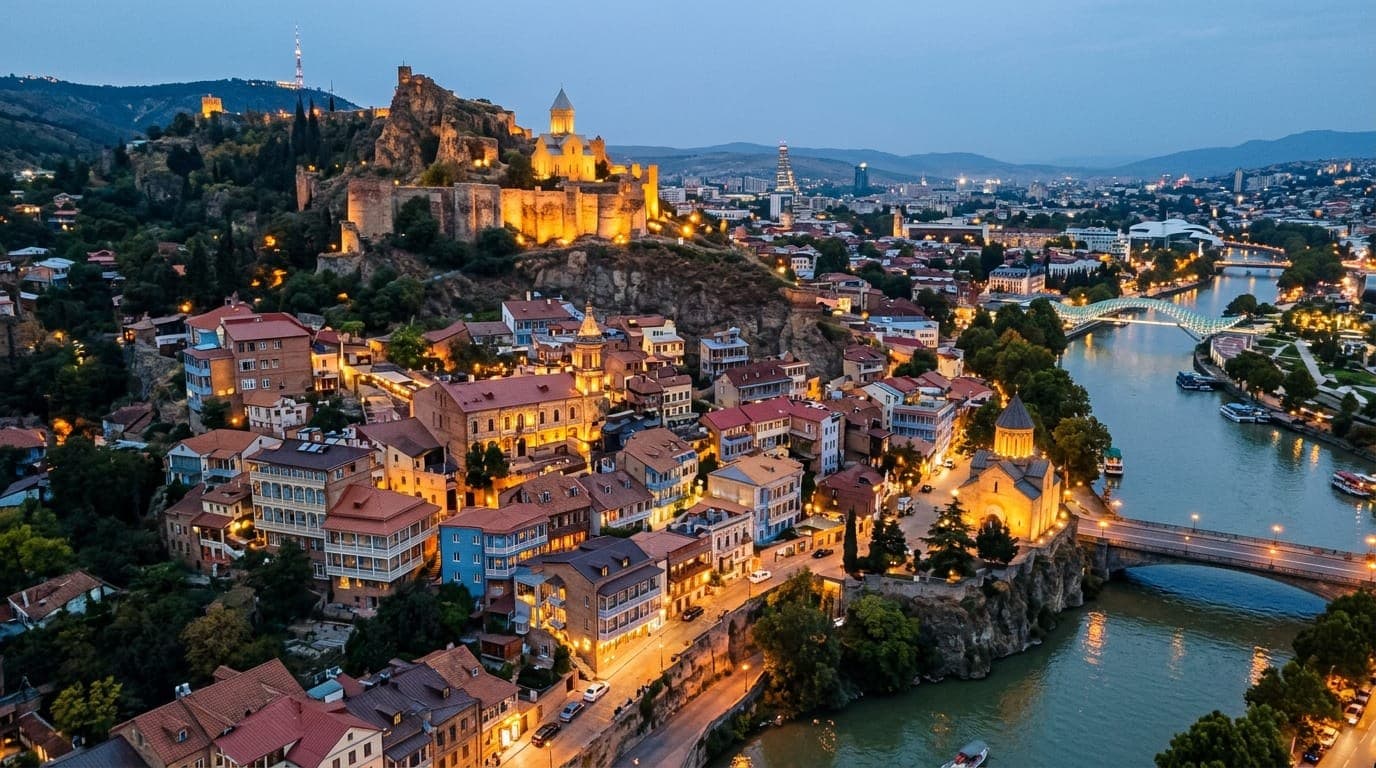
Tbilisi works all year, but it is not the same city in every month. The capital sits in a river valley along the Mtkvari, enclosed by hills, so summer heat gets trapped between the balconies of Sololaki and the cliffs of Metekhi. Winters are short but grey. The real difference, though, lies in what surrounds the city. The things that make a Tbilisi trip memorable depend on the season: a wine-harvest lunch in Kakheti, a hike below Gergeti Trinity Church in Kazbegi, a ski day in Gudauri, or simply sitting outside in a courtyard wine bar until midnight.
For Gulf and Levant travellers there is a second factor: demand from our own region. Georgia is a short, visa-free flight for GCC citizens, so Eid holidays and the July–August school break fill hotels in Old Tbilisi and push prices up sharply. Book outside those windows and the same room can cost 30–50% less.
In short:
- Best overall: May, June, September and October
- Best value: November and February to early April
- Most crowded and expensive: July, August and Eid weeks
- Best for sulphur baths and snow: December to February
Below is how each part of the year actually plays out: weather, crowds, room rates and the events worth planning around.
Month-by-month at a glance
Temperatures are typical daytime highs and night lows. Hotel guide prices are for a decent mid-range double in Old Tbilisi, Sololaki or Vera.
- January: around 7°C / -2°C. Quiet, occasional snow. Rooms around 130–180 GEL (175–245 AED). Orthodox Christmas falls on 7 January.
- February: around 9°C / -1°C. The cheapest month. Ski season is in full swing in Gudauri.
- March: around 13°C / 2°C. Almond and plum blossoms. Prices still low, except around Eid if it falls this month.
- April: around 19°C / 7°C. Pleasant, with changeable showers. Orthodox Easter brings domestic travel.
- May: around 24°C / 12°C. Green hills, some of the year's heaviest rain, Independence Day on 26 May.
- June: around 28°C / 16°C. Long evenings. The mountain roads to Kazbegi are fully open.
- July: around 31°C / 19°C, with spells at 37–40°C. Peak Gulf season. Rooms around 280–400 GEL (380–545 AED).
- August: same heat and peak prices, easing in the last week.
- September: around 26°C / 15°C. Harvest begins. Arguably the best month overall.
- October: around 19°C / 9°C. Autumn colours, Rtveli and Tbilisoba.
- November: around 12°C / 3°C. Crisp, quiet, and prices drop.
- December: around 8°C / -1°C. Festive lights, the film festival and early ski season.
Late winter to spring (March–April): blossom, Easter and low prices
Early spring is Tbilisi's most underrated window. By mid-March the hills behind Mtatsminda turn green, and almond and plum trees flower in the courtyards of Sololaki and Avlabari. Daytime temperatures of around 13–19°C are perfect for walking. You can climb from Abanotubani up to Narikala Fortress, cross into the botanical garden, or wander Chugureti's street art without arriving drenched in sweat.
Prices stay close to winter levels, typically 150–220 GEL (around 200–300 AED) for a mid-range double. The exception is when Eid al-Fitr falls in this period. In 2027 it is expected around 9–10 March, and Gulf arrivals will lift rates for that week.
Orthodox Easter usually falls in April, sometimes in May. It is a moving experience: candlelit midnight services at Sameba (Holy Trinity) Cathedral and red-dyed eggs everywhere. Expect some restaurants to close on Easter Sunday and family travel to push up bus and marshrutka demand.
Day trips: Mtskheta (around 30 minutes) and the semi-desert monasteries of David Gareja (around 2 hours) are at their best now. David Gareja is green and wildflower-covered, rather than scorching as it is in summer. Kazbegi is still snowbound and the Jvari Pass can close after storms. Gudauri often has spring skiing into early April. Pack layers and a light rain jacket, because April can swing from 22°C to cold drizzle within a day.
May and June: green hills, wine festivals and long evenings
This is the first of Tbilisi's two sweet spots. The courtyard wine bars of Sololaki and the open-air terraces at Fabrika in Chugureti come fully alive. Sunset from Mtatsminda or the Narikala ridge isn't until around 8:30–9pm in June.
Weather: May is warm (around 24°C) but among the wettest months. Expect afternoon thunderstorms that pass in an hour. June is drier and hotter, around 28°C, and the heat starts to bite by late June.
Events:
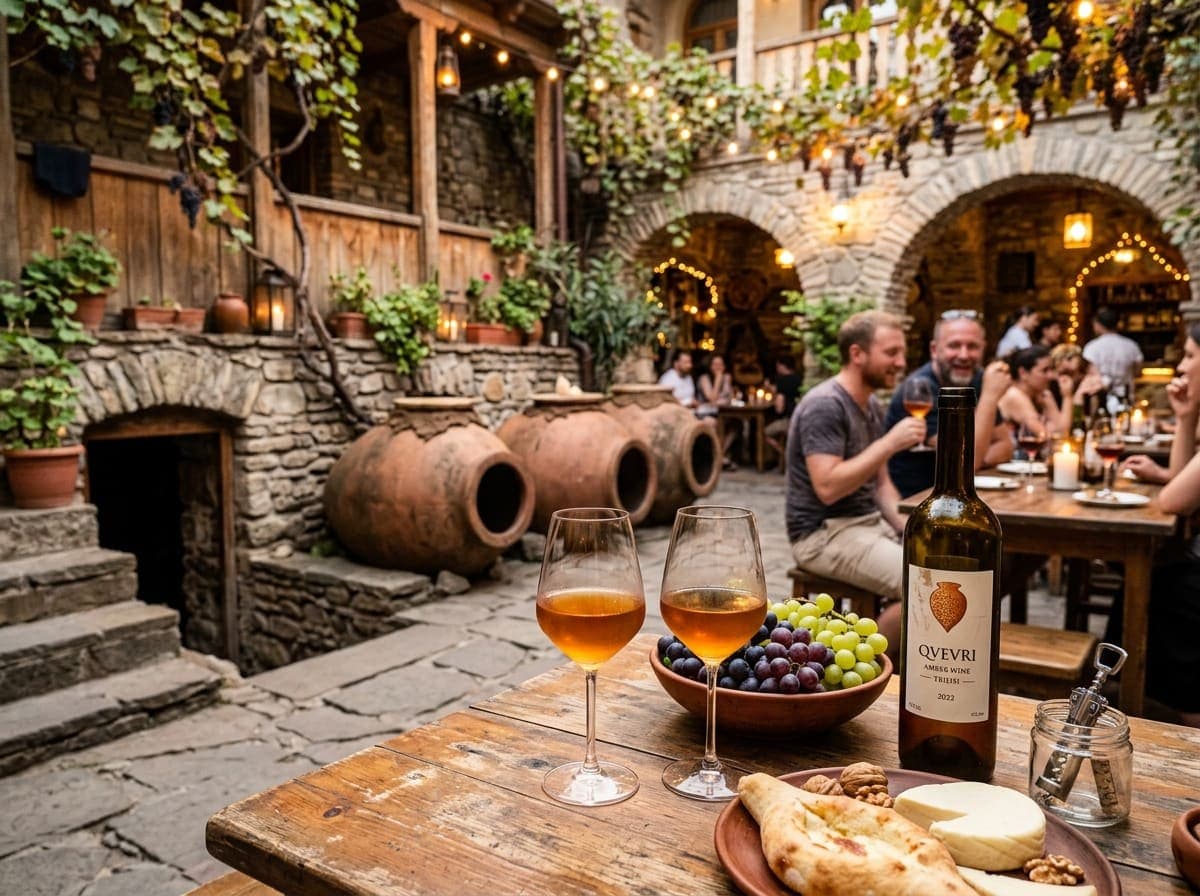
- New Wine Festival, usually held in May. Dozens of small producers pour their latest qvevri wines, often at the open-air Ethnographic Museum near Turtle Lake.
- Independence Day (26 May) brings concerts and events along Rustaveli Avenue and Freedom Square.
- Summer music events and outdoor concerts at Lisi Lake and around the city usually begin in June.
Crowds and prices: Moderate in May, rising through June. Expect around 200–280 GEL (270–380 AED) for a good mid-range double. In 2027, Eid al-Adha is expected around mid-May, so book early if your dates overlap.
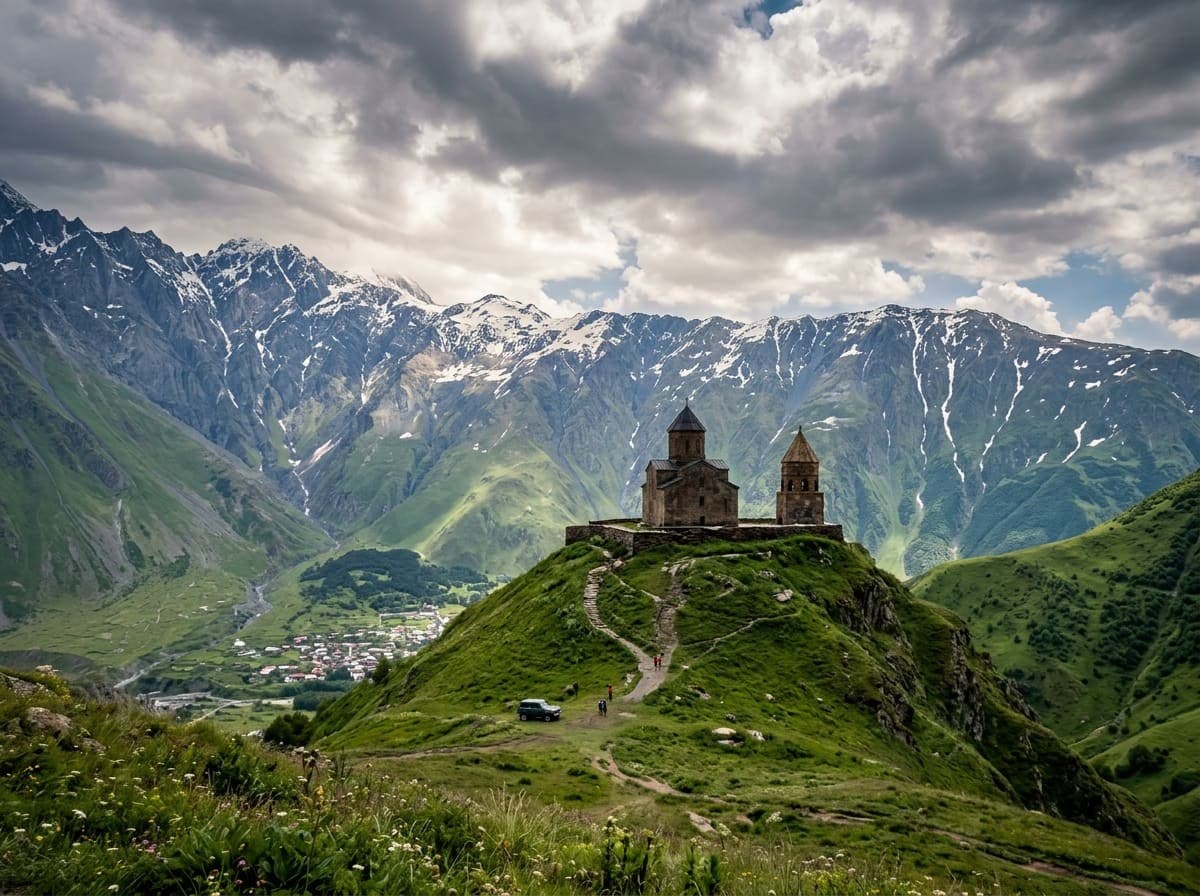
Day trips: From June the Georgian Military Road to Kazbegi/Stepantsminda (around 3 hours via Ananuri and Gudauri) is reliably open. The alpine meadows are at their greenest, and the hike to Gergeti Trinity Church at 2,170m is snow-free. Kakheti's vineyards are lush but the harvest is still months away.
July and August: heat, Gulf crowds and how to handle peak season
Be honest with yourself about summer in Tbilisi. Daytime highs typically sit around 31–33°C, and heatwaves of 37–40°C are increasingly common. Old Tbilisi's stone lanes radiate heat well into the evening. Many locals leave for the Black Sea coast at Batumi or the mountains, while Gulf families arrive for the school holidays. The result is the year's highest prices: mid-range rooms around 280–400 GEL (380–545 AED), with apartments in Vake and Vera booked weeks ahead.
How to make it work:
- Sightsee early. Ride the cable car up to Narikala at 8–9am, then retreat to air-conditioned museums such as the Georgian National Museum on Rustaveli or a long lunch indoors.
- Go out late. The city's best summer hours run from 7pm to midnight: courtyard wine bars in Sololaki, Fabrika's yard, and dinner terraces along Kote Afkhazi (Leselidze) Street.
- Use the cooler zones. Turtle Lake and Mtatsminda Park sit higher and catch a breeze. Lisi Lake is good for an evening walk.
- Head for the mountains. Kazbegi is typically 10–12°C cooler than the city, and Borjomi or Bakuriani (around 2.5–3 hours) are classic summer escapes.
Skip the sulphur baths at midday and avoid David Gareja entirely in summer. Its exposed desert ridges are punishing. The Art-Gene folk festival, usually held in July at the Ethnographic Museum, is a worthwhile evening outing. Late August softens slightly, and prices start falling in the last week.
September and October: harvest season, Rtveli and Tbilisoba
If you can only come once, come now. September brings warm, dry days around 26°C and cool nights. By October the temperature drops to a crisp 19°C, and the hills around Mtatsminda and the Tbilisi Sea turn amber.
Rtveli, the grape harvest, runs roughly from mid-September to mid-October, with exact dates depending on the vintage and the grape. In Kakheti, around 2 hours east via Sighnaghi or Telavi, family wineries invite guests to pick grapes and tread them in a satsnakheli (wooden press). Fresh churchkhela is made in the yards. Expect to pay around 150–300 GEL (205–410 AED) per person for an organised harvest day with lunch and tastings. Private drivers typically charge 200–300 GEL (270–410 AED) per car for the day.
Tbilisoba, the city festival, is traditionally held over a weekend in October, with dates set each year by the city. Expect markets, folk dancing, regional food stalls and new wine around Old Tbilisi and Rike Park. Check the date before booking, because it has been moved or scaled down in some years.
Crowds and prices: September is busy with European tour groups and costs around 220–300 GEL (300–410 AED) for a good room. October eases gradually. Kazbegi stays beautiful until about mid-October, but the first snow can arrive on the pass any time after that. Courtyard wine bars keep their tables outside into October, and new-season wine starts appearing on lists from November.
November to February: bath season, festive lights and ski days
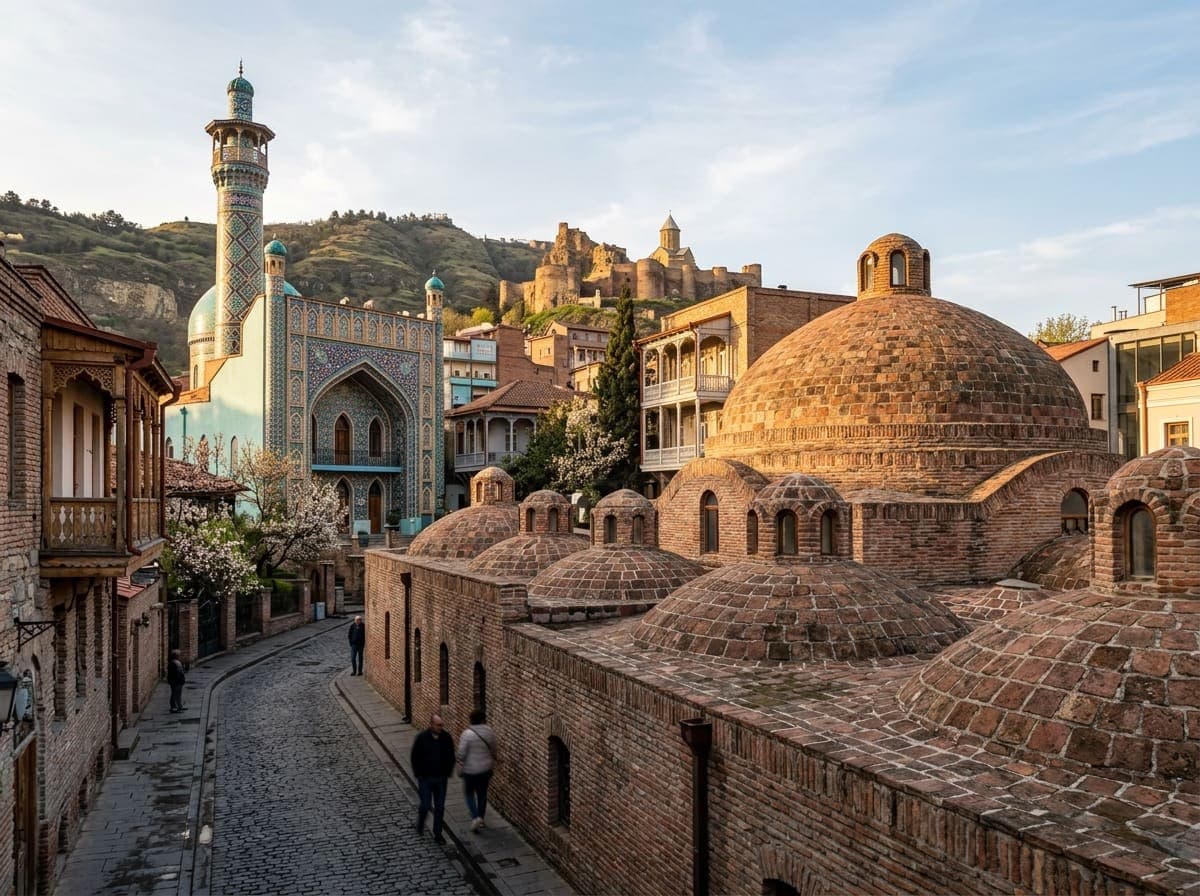
Tbilisi's winter is short and mild by Caucasus standards, with daytime highs around 6–12°C, frosty nights and a few snowy days. It's the best time for the city's signature experience: the sulphur baths of Abanotubani. The brick domes steam in the cold air. A private room at Chreli Abano, Gulo's or the Orbeliani bath typically costs around 80–200 GEL (110–270 AED) per hour, depending on size and finish. A kisi scrub adds around 20–40 GEL. Weekday mornings are easiest to book.
Events:
- The Tbilisi International Film Festival, usually in early December, with screenings at Amirani cinema and other venues.
- New Year's Eve brings fireworks from every hill, best watched from a rooftop in Sololaki or from Mtatsminda. Rooms book out, so reserve by November.
- Orthodox Christmas (7 January) features the Alilo processions, when people parade through the streets in costume collecting gifts for charity.
Skiing: Gudauri, around 2 hours north on the Military Road, usually runs from mid-December to early April. Day lift passes cost around 80–100 GEL (110–135 AED), and gear rental is around 50–80 GEL (70–110 AED). In storms the road beyond Gudauri to Kazbegi can close, so check the status on the morning you travel.
Prices fall to the year's lowest in November, January (after the holidays) and February: often 120–180 GEL (165–245 AED) for a room that costs double in August. Some garden restaurants close, but cosy wine cellars and bakeries selling hot tonis puri take their place.
Practical: getting there, getting around, money and safety
Getting there: Tbilisi International Airport (TBS) is around 3 hours from Dubai on flydubai, from Sharjah on Air Arabia, and from Doha on Qatar Airways. Other routes vary by season. Off-peak return fares from the UAE typically run around 900–1,500 AED, rising well above that during Eid and July–August. From Amman and Beirut, connections are often seasonal or routed via Istanbul. GCC citizens enter visa-free. Other nationalities should check the official Georgian e-visa portal. Since 2026 Georgia requires visitors to hold travel health insurance, so carry proof.
Airport to city: Bus 337 runs to Freedom Square and the central station area in around 40–50 minutes for about 1 GEL. A Bolt taxi takes around 25–30 minutes and typically costs 25–40 GEL (35–55 AED).
Getting around: The two metro lines and city buses cost around 1 GEL per ride, paid with a contactless bank card or a Metromoney card. Bolt is cheap and reliable; most city rides cost 5–15 GEL. For day trips, marshrutkas leave from Didube station for Kazbegi and Samgori/Ortachala for Kakheti. Private drivers are more comfortable.
Money: The currency is the lari (GEL). 1 AED is roughly 0.73–0.75 GEL. Cards work widely, but carry cash for baths, markets and village wineries.
Safety: Tbilisi is generally safe, day and night. Political demonstrations have been frequent on Rustaveli Avenue in recent years, so avoid large gatherings. Take care crossing roads, as drivers rarely yield.

Read more: Tbilisi · Eating in Tbilisi: How to Eat Khinkali, Order Vegetarian Georgian Dishes and Drink Qvevri Wine · Tbilisi on Any Budget: What a Day Really Costs, From Hostel Lari to Spa Splurges
What is the best month to visit Tbilisi?
September edges it: warm dry days around 26°C, the grape harvest in Kakheti and mountain roads still open. Late May, June and October are close behind. For the lowest prices, go in November or February.
Is Tbilisi too hot in July and August?
It can be. Highs typically sit around 31–33°C, and heatwaves reach 37–40°C. Plan early-morning sightseeing and late evenings out, and take at least one cooler mountain day trip to Kazbegi or Borjomi.
When is the grape harvest (Rtveli) in Georgia?
Roughly mid-September to mid-October, mainly in Kakheti, around 2 hours from Tbilisi. Exact dates shift with each vintage, so confirm with the winery when you book.
Can I visit Kazbegi from Tbilisi in winter?
Yes, but the Jvari Pass beyond Gudauri can close after heavy snow, sometimes for a day or more. Check road status that morning and keep your itinerary flexible. June to early October is the most reliable window.
Are the sulphur baths worth it in summer?
They are open all year, but the hot water is most enjoyable from November to March. In summer, book an early-morning or late-evening slot and choose a room with a cold plunge pool.