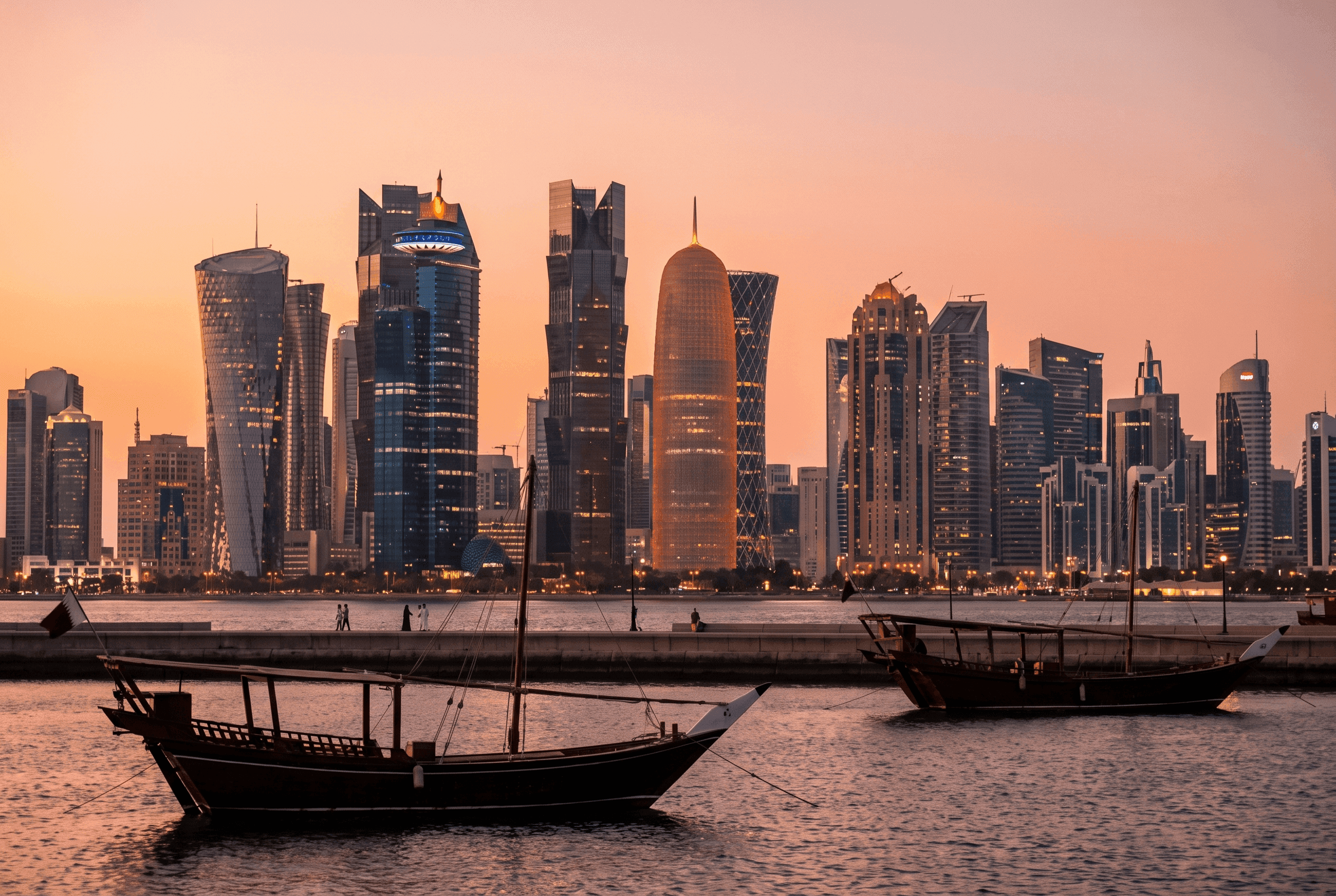
Doha
Pearl-diving heritage meets glass towers in Doha, where world-class museums, spice-scented souqs and golden dunes lie minutes apart.
- Country
- Qatar
- Main airport
- DOH
- Best time to visit
- Nov · Dec · Jan · Feb · Mar
Pearl-diving heritage meets glass towers in Doha, where world-class museums, spice-scented souqs and golden dunes lie minutes apart.
Hamad International Airport (DOH) is 15–20 minutes from the centre, and the driverless Doha Metro, Karwa taxis and ride-hailing apps make getting around easy.
Why go
Doha is the Gulf's most culture-forward capital: a compact city where world-class museums, a restored souq and a glittering skyline sit a few metro stops apart. Since hosting the 2022 FIFA World Cup, Qatar has kept the infrastructure it built (a driverless metro, walkable districts, new hotels) and added a busy calendar of art, sport and food events.
What makes it worth the trip:
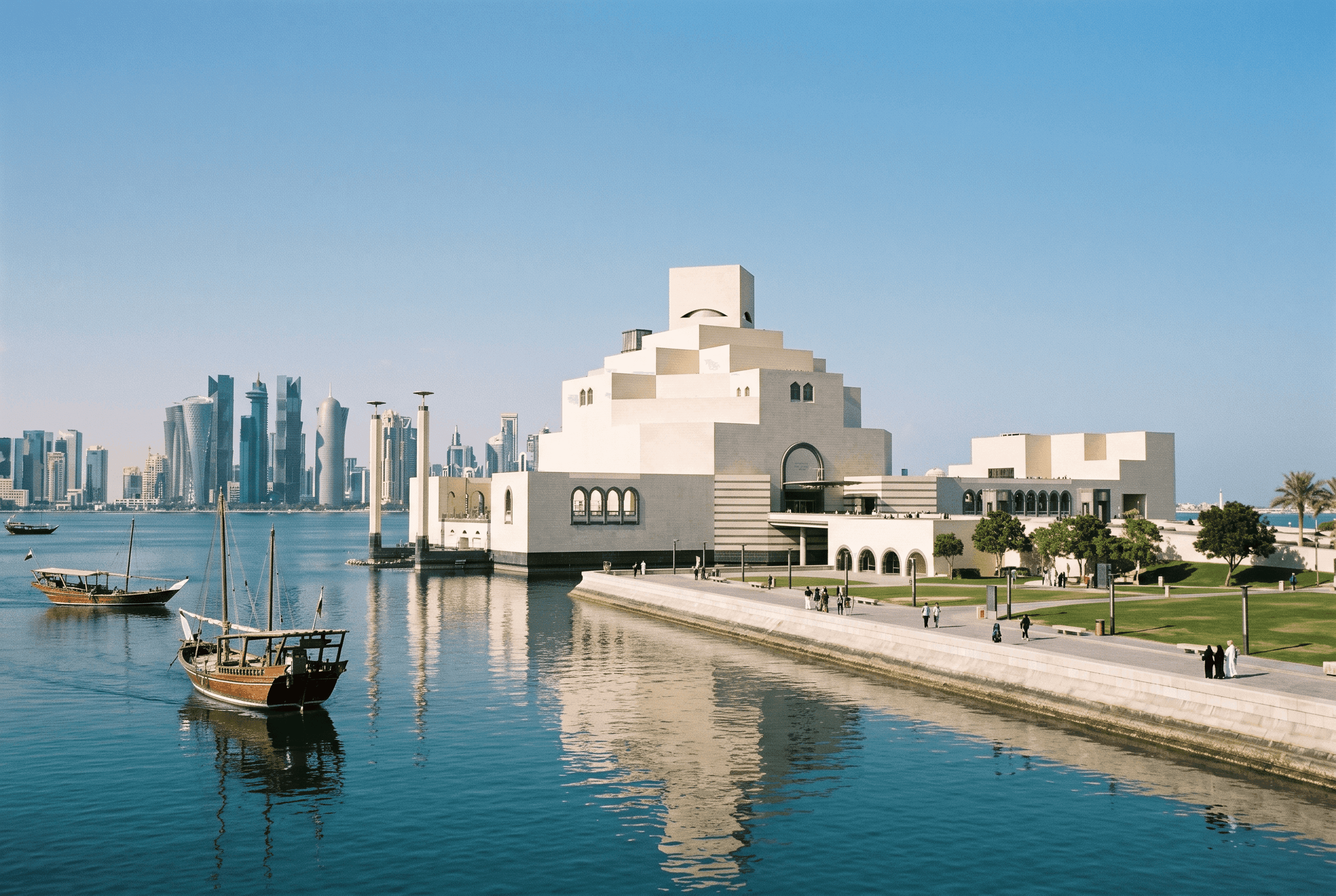
- Museums worth a flight on their own. The Museum of Islamic Art, designed by I. M. Pei, and Jean Nouvel's desert-rose National Museum of Qatar are among the finest in the region.
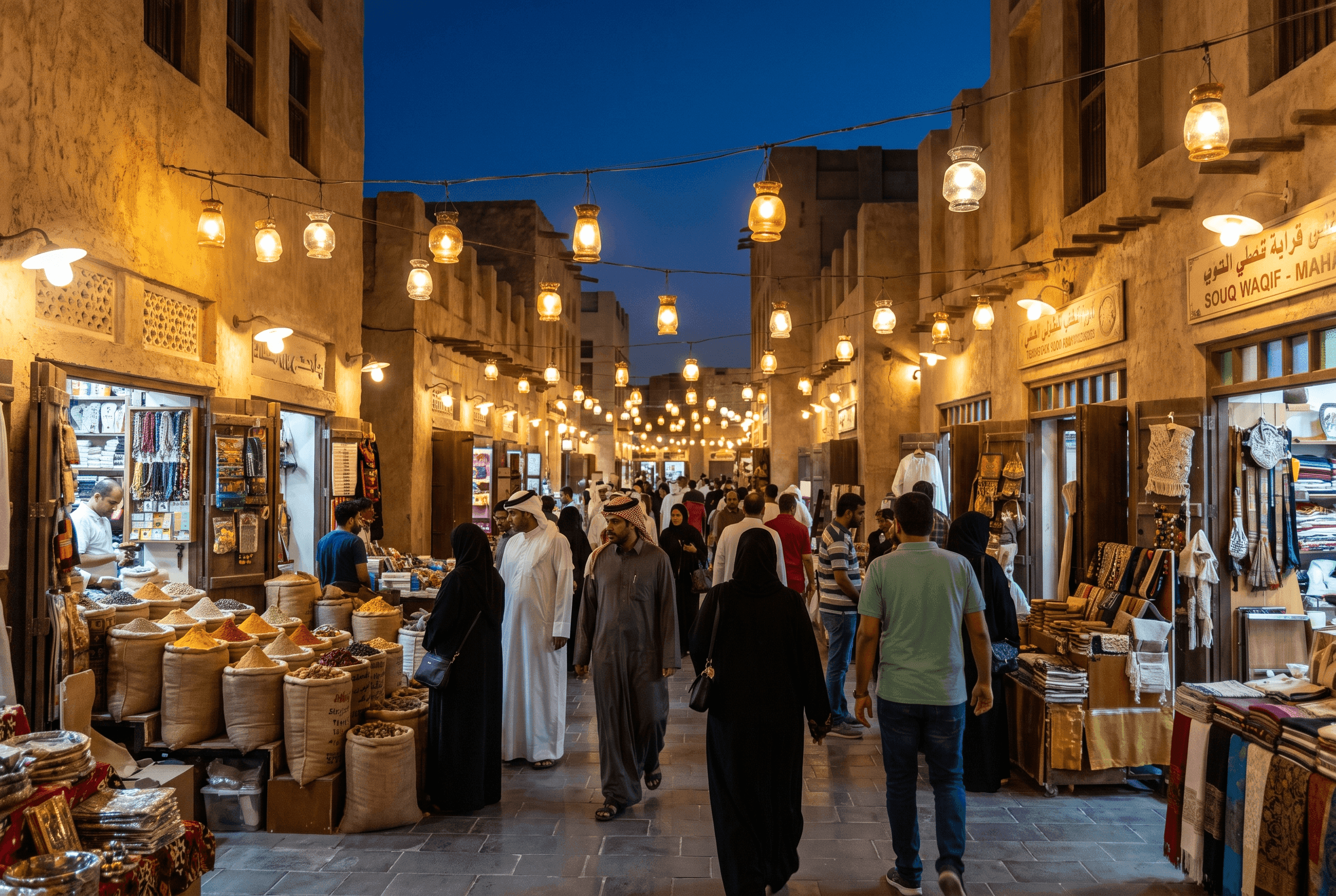
- Old and new side by side. Souq Waqif and Msheireb Downtown reinterpret traditional Qatari architecture, while West Bay and Lusail supply the futuristic skyline.
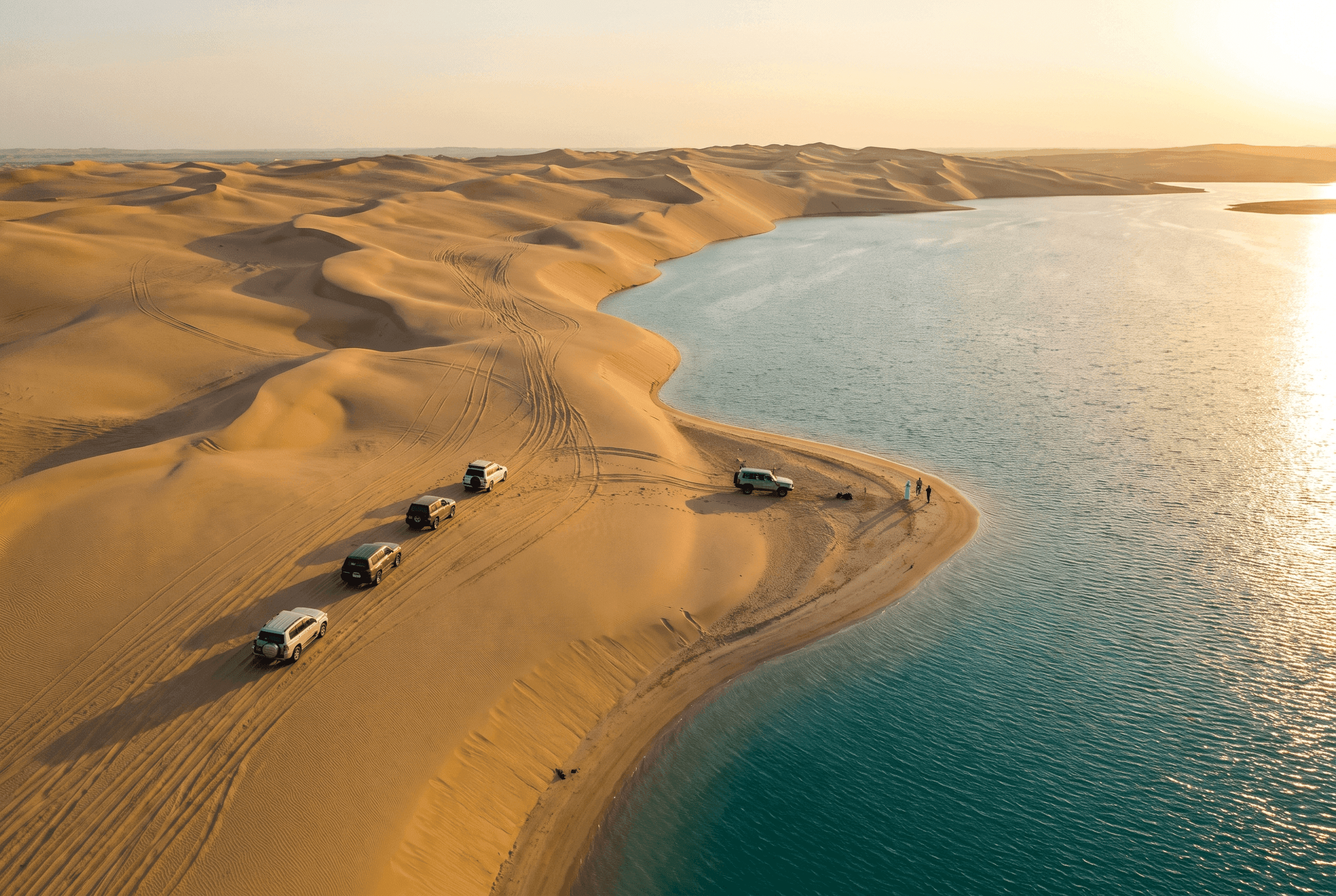
- Easy desert and sea escapes. The dunes of Sealine and the Inland Sea (Khor Al Adaid), where sand meets the Gulf, are about an hour's drive away.
- A superb stopover. Hamad International ranks among the world's best airports, and Qatar Airways stopover packages make a 2–4 day visit simple.
- Safety and ease. Crime is very low, English is widely spoken and the city is very family-friendly.
The best time to visit is November to March, when daytime highs sit around 22–28°C and evenings are perfect for walking the Corniche. From June to September temperatures regularly top 40°C with heavy humidity, and life moves into malls and air-conditioned museums. Doha is not a party city, since alcohol is limited to licensed hotel venues, but for culture, food and calm luxury it punches well above its size.
Where to stay
Doha is spread out, so pick your base by what you want to do most. The metro's Red Line links the airport with Msheireb, West Bay and Lusail, and staying near a station saves on taxi fares.
Main areas:
- Msheireb and Souq Waqif (old centre): Walkable and atmospheric, close to the Museum of Islamic Art and the National Museum. Options range from the Souq Waqif Boutique Hotels, heritage properties inside the market, to the Mandarin Oriental in Msheireb. Best for first-timers.
- West Bay: The skyscraper district on the Corniche, home to big international names such as the Four Seasons, the St. Regis and the landmark pyramid-shaped Sheraton Grand. Good for business travellers and beach clubs.
- The Pearl-Qatar: An artificial island of marinas, cafés and serviced apartments. Quieter and pricier, ideal for families and longer stays.
- Lusail: The newest city, north of West Bay, with the curved Katara Towers (Raffles and Fairmont), Lusail Boulevard and Place Vendôme mall. Sleek but light on historic character.
- Al Sadd and Bin Mahmoud: Residential districts with cheaper mid-range hotels, apartment-hotels and excellent local restaurants.
Typical nightly rates (double room, high season):
- Budget: QAR 250–400 (about US$70–110)
- Mid-range: QAR 450–850 (US$125–235)
- Luxury: QAR 1,200–3,000+ (US$330–820+)
Prices spike during big events such as the Formula 1 Qatar Grand Prix in Lusail, major football tournaments and large conferences, and fall sharply in summer, when five-star deals are common. Check whether quoted rates include service charge, taxes and breakfast.
A realistic 3-day plan
This plan suits a visit between October and April; in summer, keep outdoor time to early morning and after sunset. Many museums and the metro open later on Fridays, and some museums close one weekday (often Tuesday), so check hours before you go.
Day 1: Museums and the old city
- Morning: the National Museum of Qatar (allow 2–3 hours); the building alone justifies the ticket.
- Lunch: Qatari or Levantine food in Souq Waqif.
- Afternoon: the Museum of Islamic Art, then MIA Park for the classic view of the West Bay skyline at sunset.
- Evening: wander Souq Waqif's lanes, the Falcon Souq and spice stalls; dinner on a terrace and a karak tea to finish.
Day 2: Heritage, art and the modern coast
- Morning: the Msheireb Museums, four restored heritage houses, and a stroll through Msheireb Downtown. Sports fans can swap in the 3-2-1 Qatar Olympic and Sports Museum beside Khalifa International Stadium.
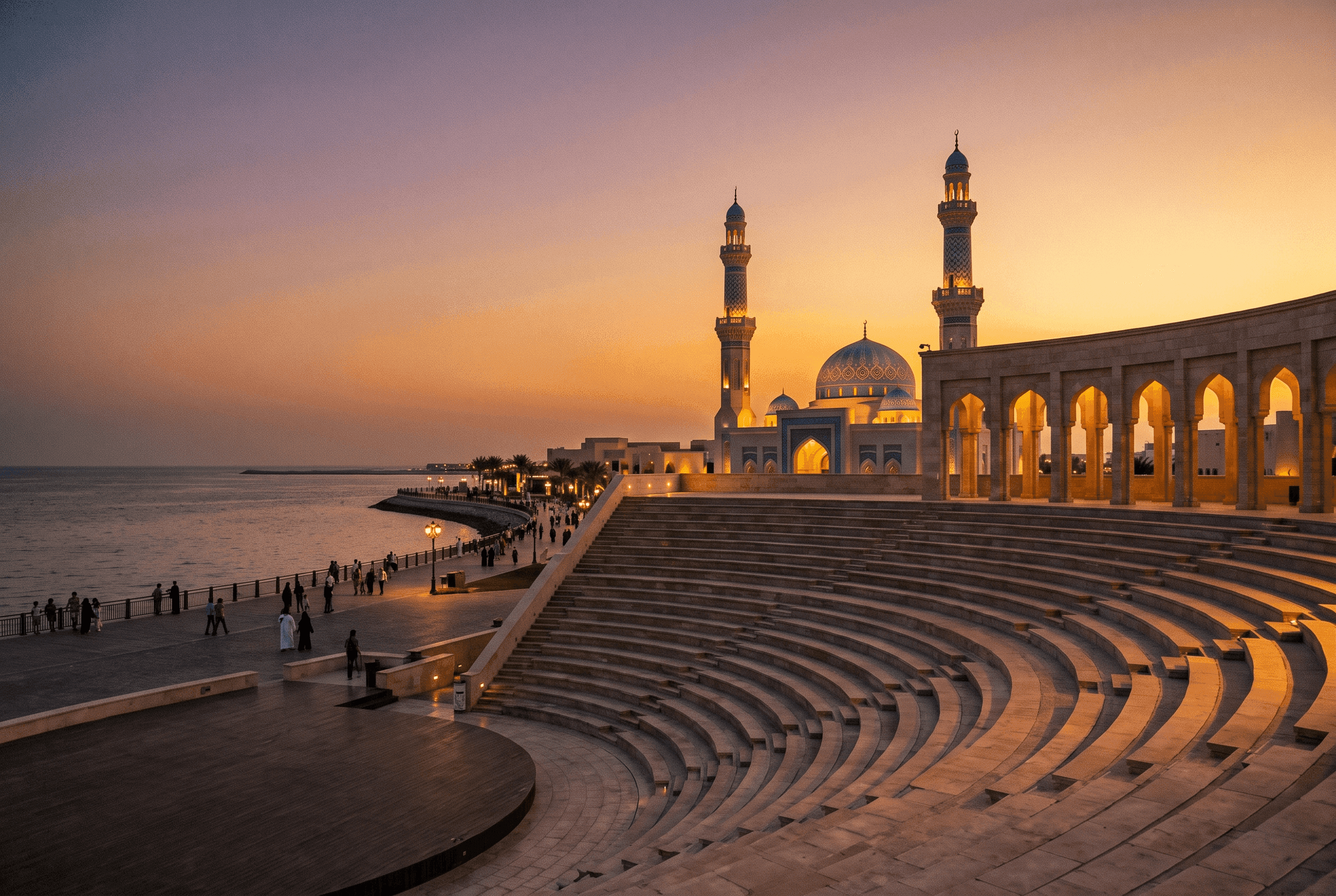
- Afternoon: Katara Cultural Village, with its amphitheatre, pigeon towers, tiled mosque and public beach.
- Evening: The Pearl-Qatar's marina promenade and the Venetian-style canals of Qanat Quartier, or Lusail Boulevard; dinner by the water.
Day 3: Desert and sea
- Morning: a half-day 4x4 safari to Sealine and the Inland Sea with dune bashing, sandboarding and a camel ride. Use a licensed operator rather than driving into the dunes yourself.
- Afternoon: pool time, or the striking Qatar National Library in Education City.
- Evening: a traditional dhow cruise along the Corniche at sunset, then a final walk through the souq.
Extra day? Head north to Al Zubarah Fort, Qatar's UNESCO World Heritage Site, and kayak in the Al Thakhira mangroves.
What to eat
Qatari cooking is built on rice, slow-cooked meat, Gulf fish and warm spices such as cardamom, saffron, dried lime and baharat, with strong Persian, Indian and Levantine influences. Doha's huge expatriate population means you can also eat superbly across South Asian, Arab and East Asian cuisines.
Dishes to try:
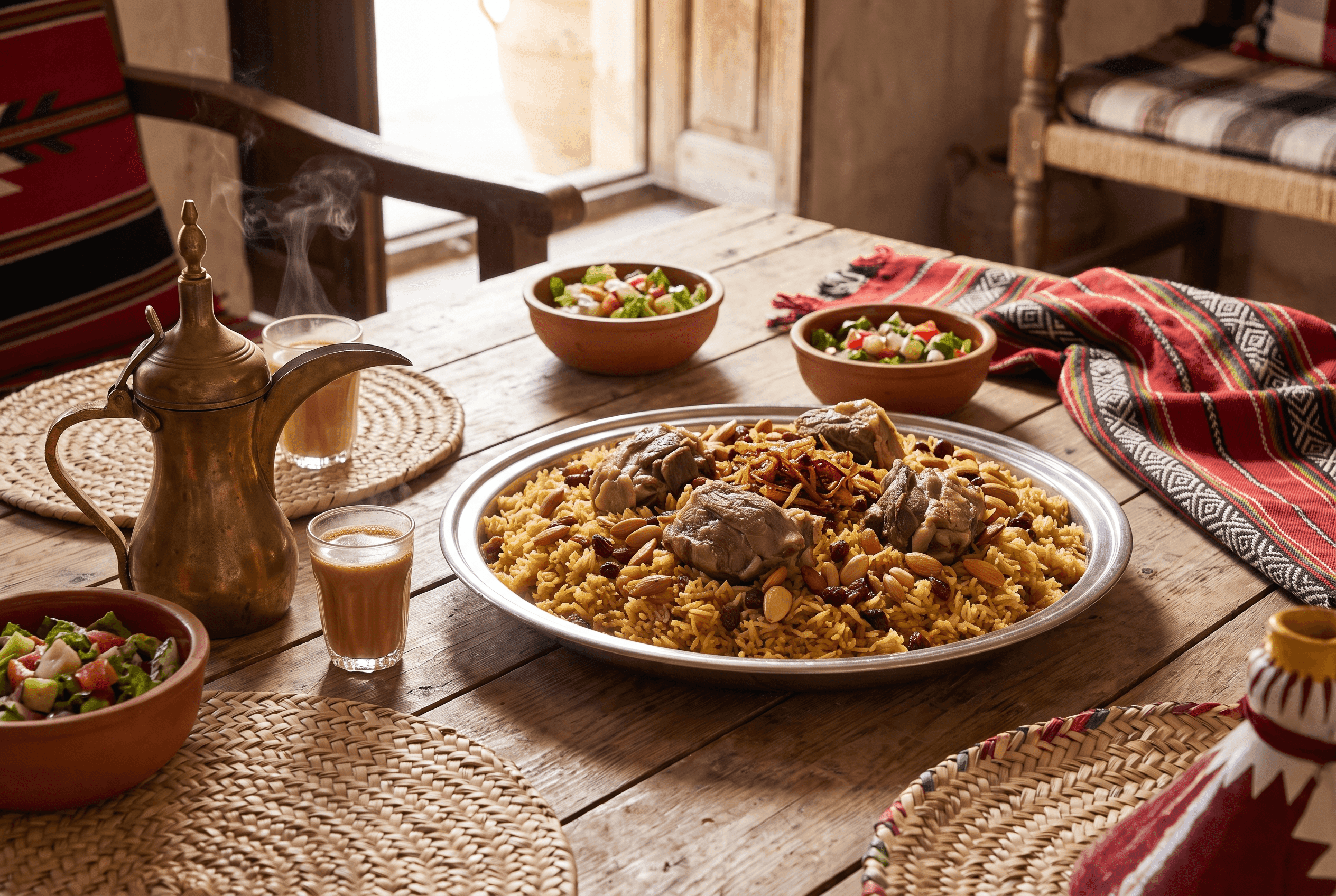
- Machboos: the national dish of spiced rice cooked with lamb, chicken or fish and topped with fried onions.
- Harees and thareed: comforting wheat-and-meat porridge and a stew poured over thin bread, both Ramadan staples.
- Madrouba: a creamy, peppery mash of rice or wheat with chicken, served hot.
- Balaleet: sweet saffron vermicelli topped with a thin omelette, a classic breakfast.
- Chebab: cardamom-scented pancakes served with date syrup or cheese.
- Luqaimat: crisp dumplings drizzled with date syrup, the favourite street sweet.
- Grilled hamour or safi: local Gulf fish, simply spiced.
- Karak and gahwa: sweet milky spiced tea, and cardamom Arabic coffee served with dates.
Where to eat:
- Souq Waqif: the best concentration of Qatari, Persian, Yemeni and Lebanese restaurants, most with outdoor seating.
- Katara and Msheireb: stylish cafés and mid-range restaurants with terraces.
- Cafeterias and karak shops: cheap sandwiches, paratha and tea on almost every street; Al Sadd and the Old Airport area are strong for Indian and Pakistani food.
- West Bay and Lusail hotels: fine dining, celebrity-chef outposts and the only places serving alcohol.
Budget roughly QAR 10–30 for a cafeteria meal, QAR 60–120 per person at a casual restaurant and QAR 300+ for fine dining. During Ramadan, avoid eating in public during daylight and enjoy the lavish iftar spreads after sunset.
Getting there and around
Arriving by air: Hamad International Airport (DOH) is the hub of Qatar Airways, with nonstop flights to around 170 destinations, plus many other Gulf, European and Asian carriers. Immigration is usually quick, and e-gates serve GCC citizens and residents. The airport lies about 15 minutes from Msheireb and 20–25 minutes from West Bay by road.
By land: The Abu Samra border crossing with Saudi Arabia is open, and many GCC travellers drive in. Allow time for customs and make sure your car insurance covers Qatar.
Doha Metro: Clean, driverless and air-conditioned, with three lines:
- Red Line: airport, Msheireb, Corniche, West Bay, Katara and Lusail.
- Green Line: Msheireb to Education City and the west.
- Gold Line: Souq Waqif, the National Museum and Al Sadd.
Standard fares are QAR 2 per trip or QAR 6 for a day pass, while Gold Club carriages cost QAR 10 per trip or QAR 30 per day. Buy a rechargeable travel card at station machines. Trains run from early morning to around midnight, but start only in the early afternoon on Fridays. Free Metrolink feeder buses and the Lusail Tram extend the network.
Taxis and ride-hailing:
- Uber and Careem are widely used and often the cheapest option.
- Turquoise Karwa taxis are metered and can be booked through the Karwa app; the airport flag fall is higher (around QAR 25).
- Expect roughly QAR 50–90 from the airport to West Bay, depending on service.
Driving: Traffic drives on the right, roads are excellent and speed cameras are everywhere, with heavy fines. Short-stay visitors from many countries can rent a car with their home licence or an International Driving Permit; check your eligibility with the rental firm. Walking is pleasant only in the cool months.
Costs and practical tips
Visas and entry (check official sources before travel):
- GCC citizens enter visa-free with a national ID card or passport.
- GCC residents of many professions can obtain a visa online through the Hayya platform before arrival.
- Other Arab travellers: rules vary by nationality; most apply for a tourist e-visa via Hayya.
- Citizens of around 100 countries, including the UK, EU states, the US and Russia, currently get visa-free entry on arrival for 30 to 90 days.
- Visitors need a passport valid for six months, a return ticket, a hotel booking, and mandatory health insurance from a Qatar-approved insurer.
Money: The Qatari riyal (QAR) is pegged at about 3.64 to the US dollar. Cards and contactless payments are accepted almost everywhere, and ATMs are plentiful. Tipping is appreciated but optional; about 10% in restaurants is generous.
Daily budget per person (excluding flights):
- Budget: QAR 400–600
- Mid-range: QAR 900–1,500
- Luxury: QAR 2,500+
SIM and internet: Ooredoo and Vodafone Qatar sell tourist SIM cards and eSIMs at the airport and in malls, typically QAR 50–150 for a data bundle; bring your passport.
Safety and law: Doha is one of the safest cities in the world. Emergency number: 999. Drugs carry severe penalties; public drunkenness and public displays of affection are illegal. Do not photograph people, especially women, without permission, and carry prescriptions for medicines.
Dress: Cover shoulders and knees in malls, souqs and museums. Swimwear belongs at pools and beaches only, and women need a headscarf only inside mosques.
Good to know: The weekend is Friday and Saturday. Plugs are UK-style Type G (240V). During Ramadan, opening hours shift and daytime eating in public is not permitted.
When is the best time to visit Doha?
November to March is ideal, with daytime highs of about 22–28°C, cool evenings and a packed events calendar. October and April are warm but manageable. From June to September temperatures often exceed 40°C with high humidity, so plan on indoor sightseeing, though hotel prices drop sharply and summer deals can be excellent value.
Is Doha worth a short stopover?
Yes. With 24–72 hours you can see the Museum of Islamic Art, the National Museum and Souq Waqif, and even add a desert safari. The metro's Red Line runs straight from the airport to the centre, and Qatar Airways passengers can book discounted stopover hotel packages through Discover Qatar. Check whether your nationality needs a visa before booking.
Can visitors drink alcohol in Doha?
Alcohol is served only in licensed venues, mostly bars and restaurants in international hotels, to guests aged 21 and over with ID. Expect high prices, often QAR 50 or more for a beer. You cannot buy alcohol in shops as a visitor, bring it through customs, or drink in public, and being drunk in public is a criminal offence.
Is Doha safe for women travelling alone, and what should they wear?
Doha is very safe for solo women, with low crime and well-lit public spaces. The metro has family and women-friendly sections, and ride-hailing apps are reliable at night. Modest dress covering shoulders and knees is expected in malls, souqs and museums, while a headscarf is needed only in mosques. Swimwear is fine at hotel pools and beaches.