Istanbul
Two continents, one skyline: bazaars, Bosphorus ferries and the best breakfasts in Europe.
- Country
- Türkiye
- Main airport
- IST
- Best time to visit
- Apr · May · Sep · Oct
Two continents, one skyline: bazaars, Bosphorus ferries and the best breakfasts in Europe.
Fly into IST or SAW; Istanbulkart covers ferries, trams and metro.
Why Istanbul
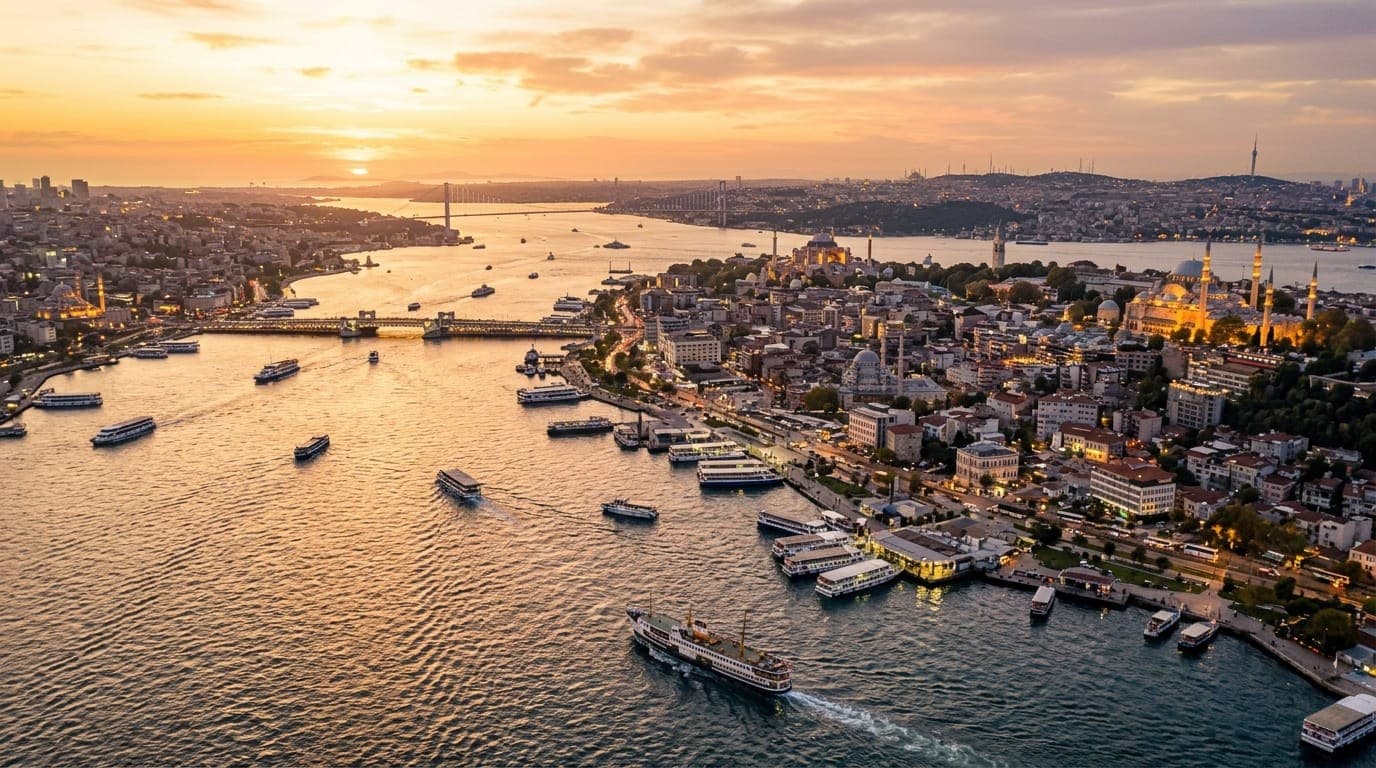
Istanbul is the only city where you can have breakfast in Europe, take a public ferry across a strait, and eat lunch in Asia. Byzantine churches, Ottoman mosques, a bazaar that has traded for five centuries and a café culture that runs until 2 am sit within one metro network. It is big, hilly and loud, and it rewards travellers who slow down: a ferry ride at sunset costs less than a coffee and beats most paid attractions.
Where to stay
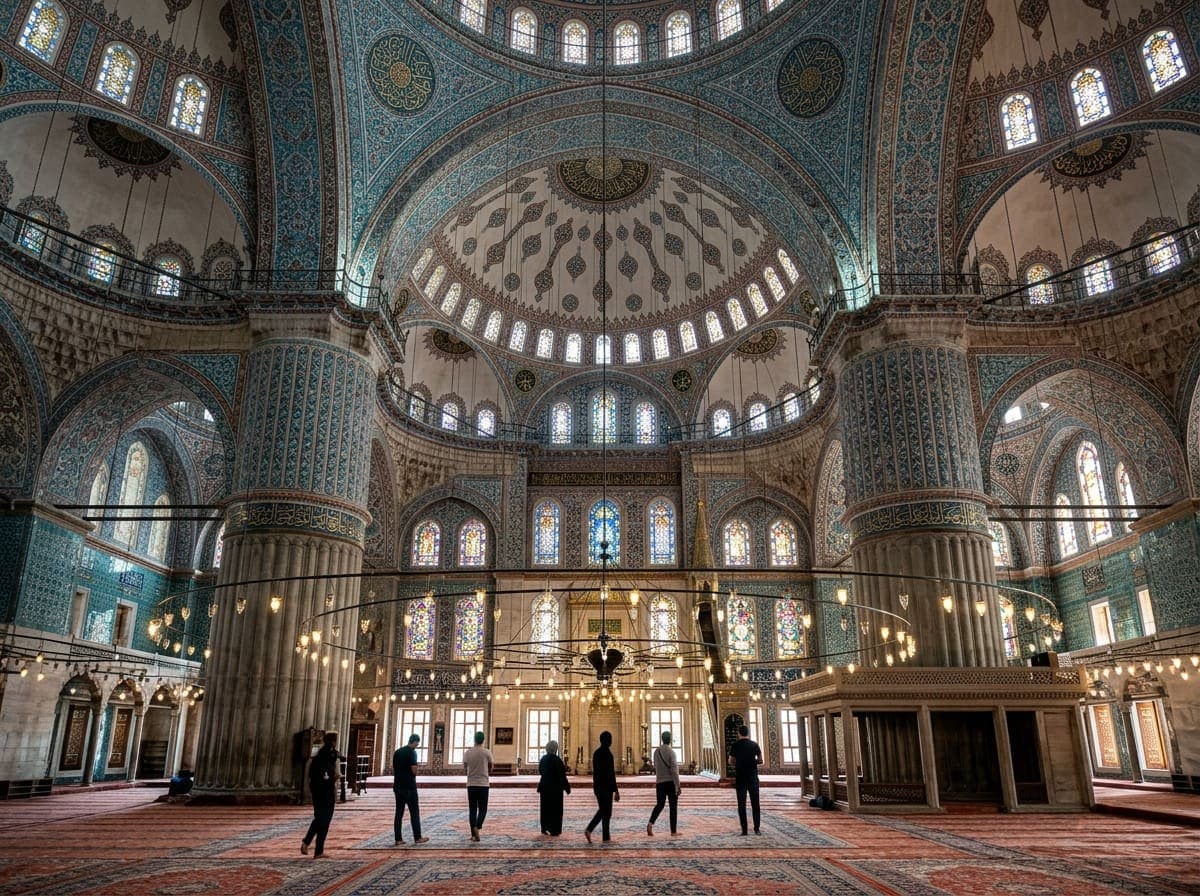
Sultanahmet puts Hagia Sophia and the Blue Mosque on your doorstep but empties at night. Karaköy and Galata are the best all-round base: ferries, the tram, rooftop bars and walkable to both old city and Taksim. Kadıköy on the Asian side is cheaper, greener and full of the restaurants locals actually use; the ferry to Eminönü takes 20 minutes. Avoid hotels on the far side of Taksim unless nightlife is the point of the trip.
Three days, done properly
Day 1: Hagia Sophia at opening, Basilica Cistern, lunch in the Grand Bazaar's back streets, Süleymaniye Mosque at golden hour. Day 2: Spice Bazaar early, ferry up the Bosphorus to Anadolu Kavağı, walk Karaköy to Galata Tower, dinner in Cihangir. Day 3: Ferry to Kadıköy, Moda seafront, Bahariye street, back for a hammam. Museums close on different weekdays; check before you plan.
What to eat
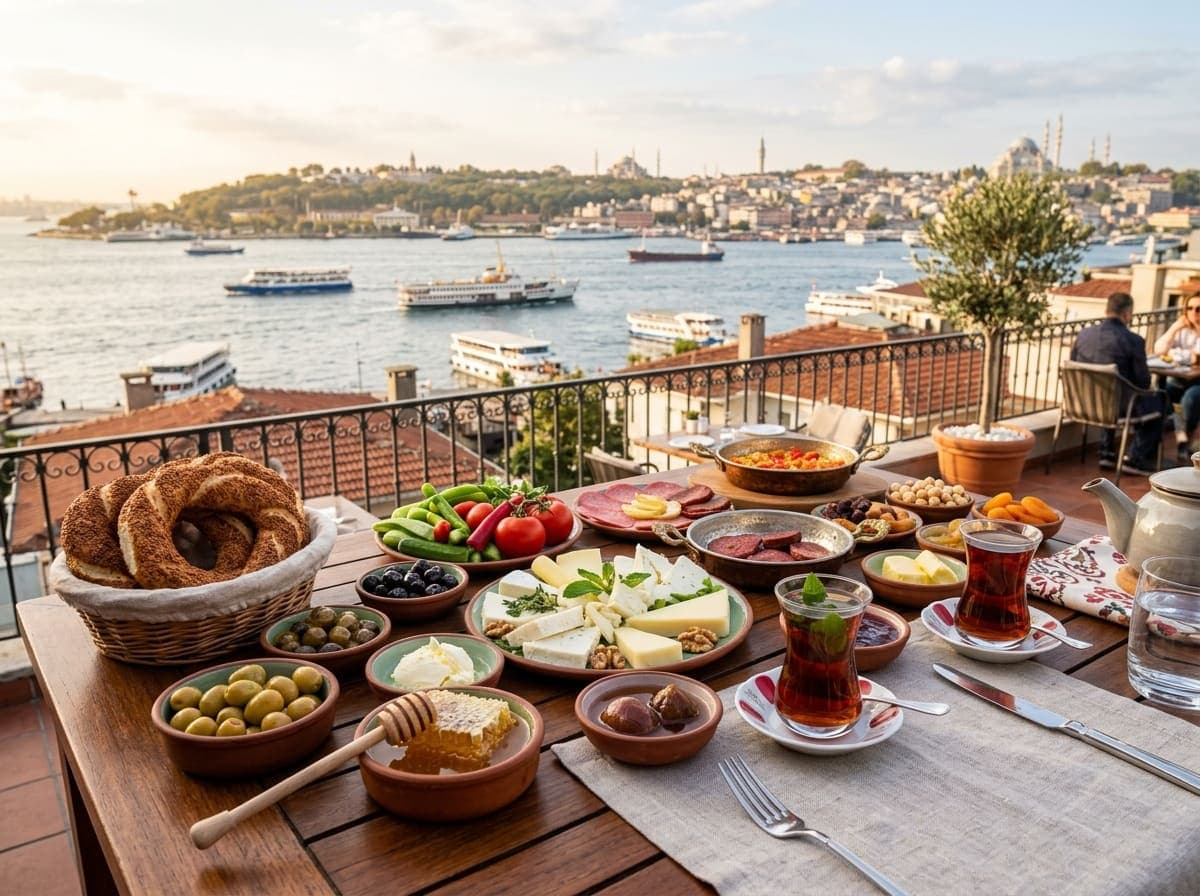
Start with a kahvaltı (Turkish breakfast) in Beşiktaş or Cihangir: cheeses, olives, eggs with sucuk, honey with clotted cream, endless tea. Lunch on a balık ekmek (grilled fish sandwich) by the Galata Bridge or a lahmacun in Aksaray. In the evening, meze in a Kadıköy meyhane, then künefe while it is still hot. Street food to seek out: simit, roasted chestnuts and midye dolma (stuffed mussels) sold by the piece.
Getting there and around
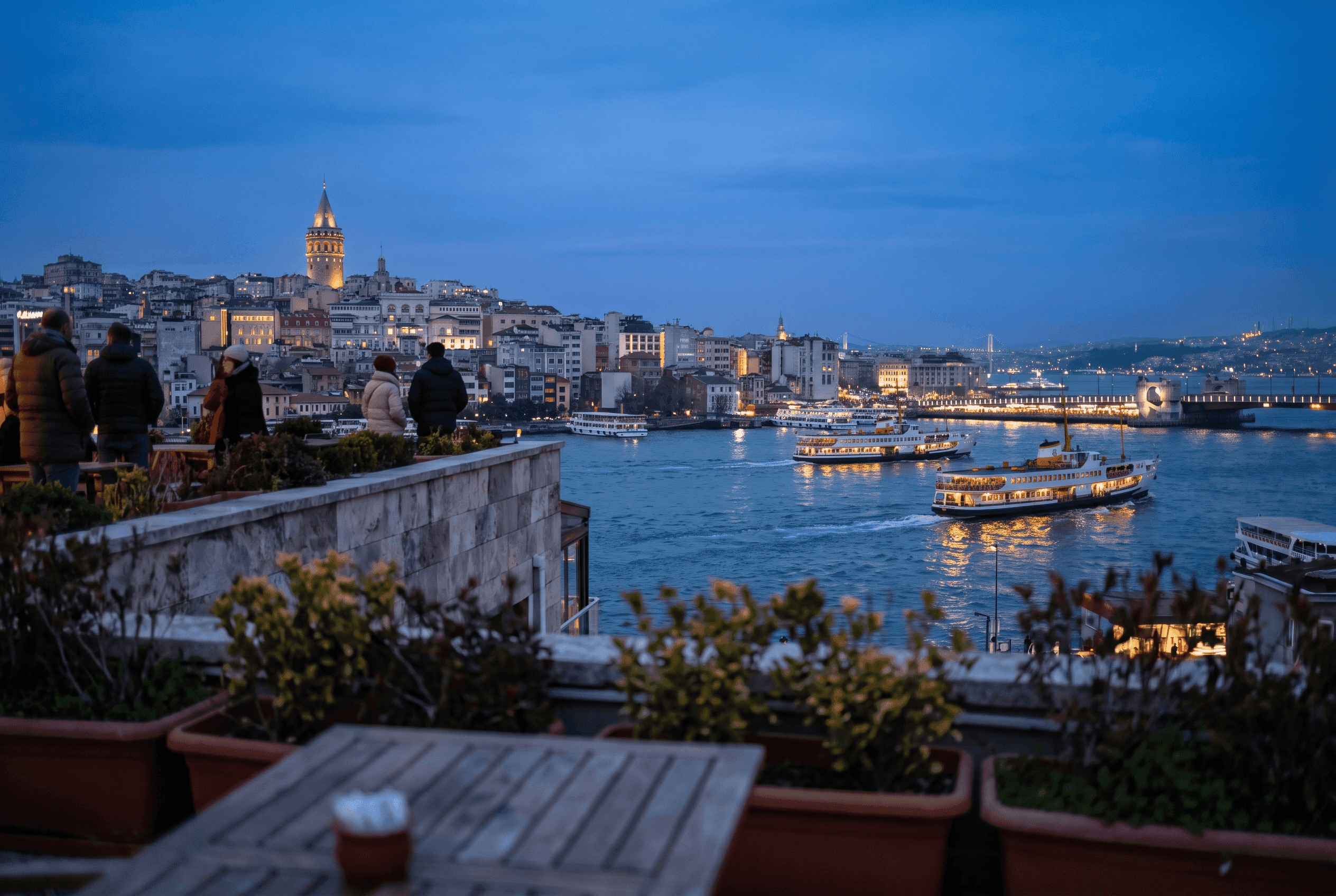
Two airports: IST (Europe, most long-haul) and SAW (Asia, low-cost carriers). From IST the M11 metro reaches the city in about 35 minutes; from SAW the M4 connects to Kadıköy. Buy an Istanbulkart at any machine: it covers metro, tram, bus, funicular and ferries at a fraction of taxi fares. Ferries are transport, not tours; take them whenever the route allows.
Costs and practical tips
A comfortable mid-range day typically runs to a modest three-figure sum in US dollars for two, with museum entries the biggest single item. Card payments are near-universal; keep a little cash for ferries and bazaars. Dress modestly in mosques (scarves are lent at the door) and visit outside prayer times. Bargain in the Grand Bazaar, not in shops with price tags. Tap water is safe but tastes of chlorine; locals drink bottled.
Is Istanbul safe for tourists?
Yes, with big-city common sense: watch bags in crowds, use the meter in taxis or ride-hailing apps, and ignore anyone offering to walk you to a “special” bar.
How many days do I need?
Three full days cover the old city, the Bosphorus and one Asian-side afternoon; five let you add Princes' Islands and a hammam without rushing.
Do I need a visa?
Many nationalities enter visa-free or with an e-visa bought online in minutes; check the official Turkish e-visa site for your passport before booking.
When is the best time to visit Istanbul?
Fly into IST or SAW; Istanbulkart covers ferries, trams and metro.