Sarajevo
Ottoman lanes, Austro-Hungarian boulevards and ćevapi you will dream about.
- Country
- Bosnia & Herzegovina
- Main airport
- SJJ
- Best time to visit
- May · Jun · Sep
Ottoman lanes, Austro-Hungarian boulevards and ćevapi you will dream about.
Walkable centre; day trips to Mostar; coffee is a ritual, not a takeaway.
Why Sarajevo
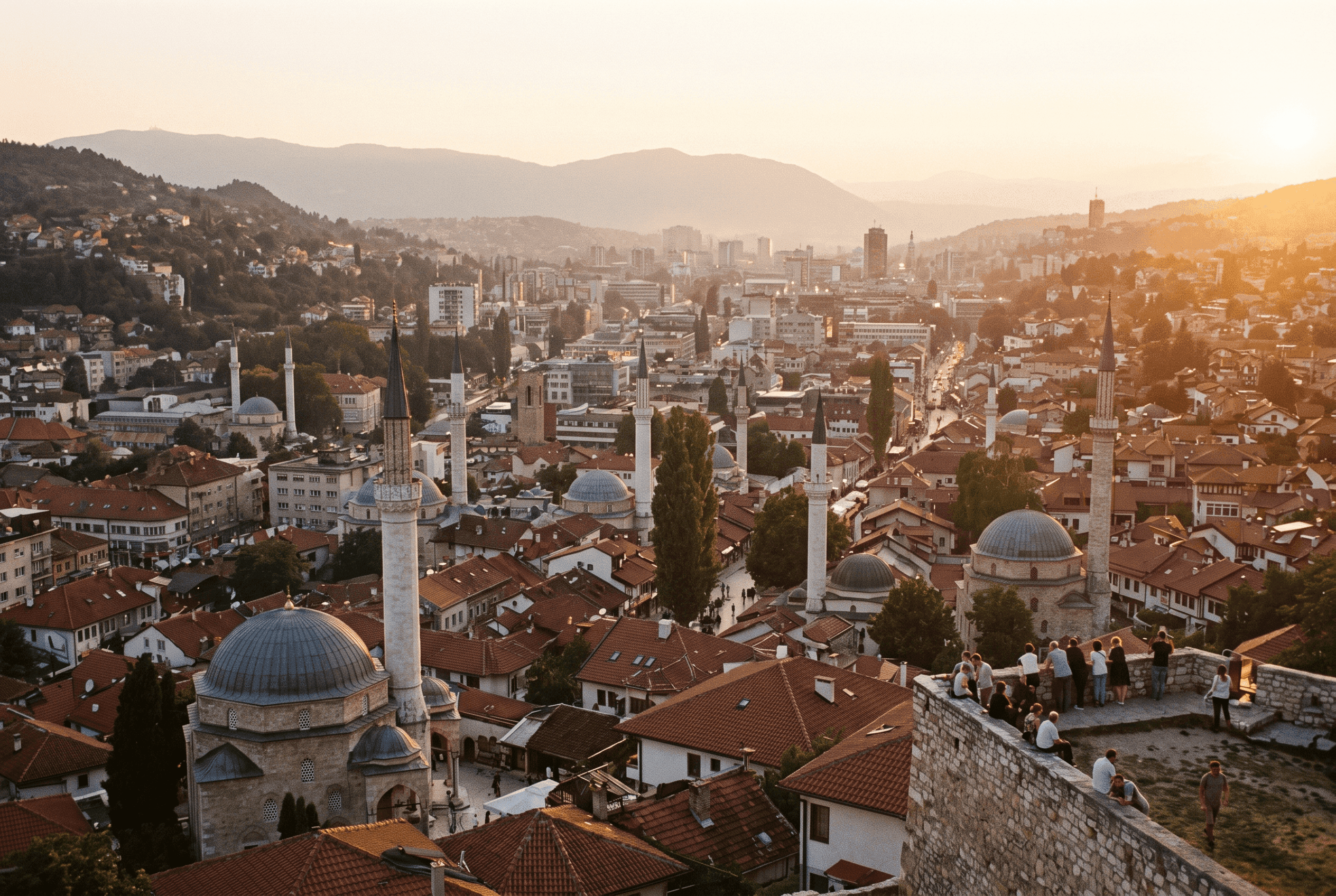
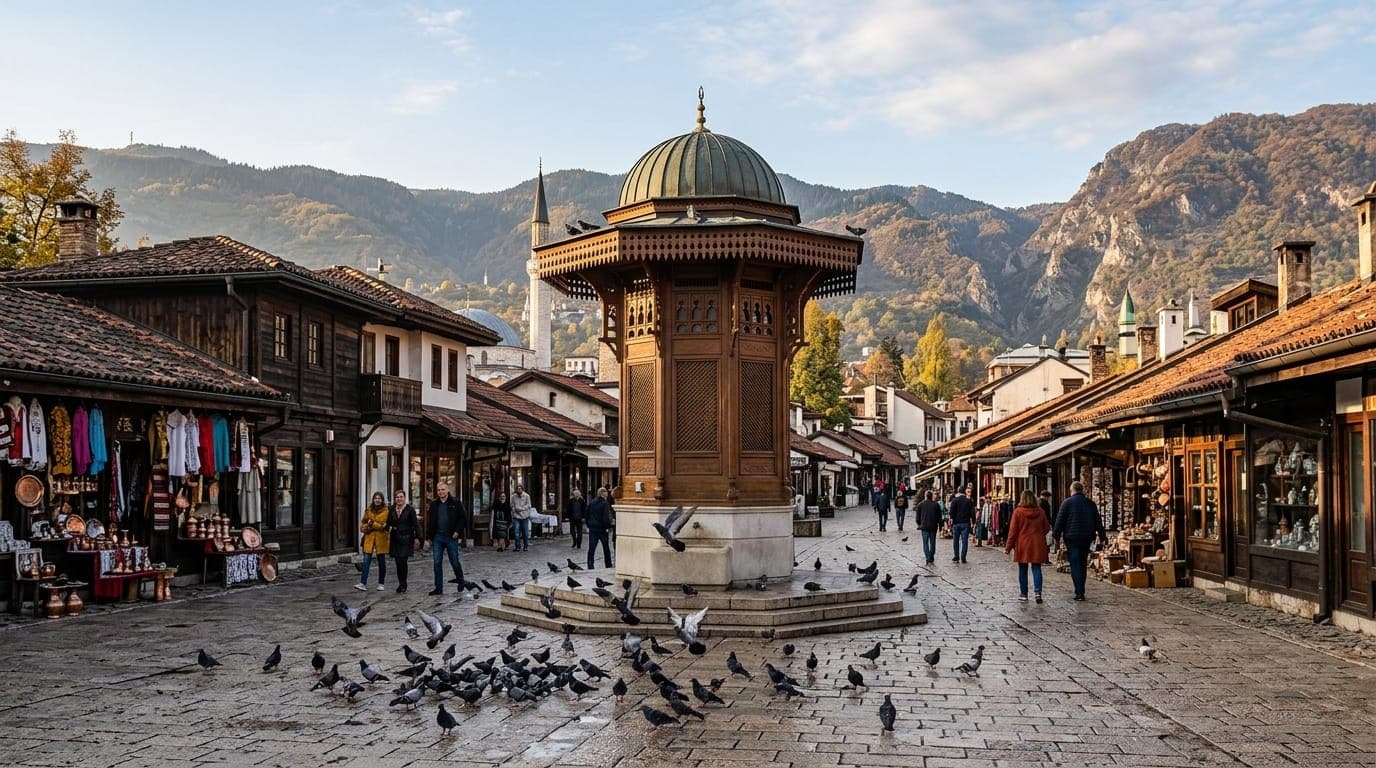
Sarajevo is a small city with an enormous story: an Ottoman bazaar, an Austro-Hungarian boulevard and a modern skyline within a ten-minute walk, all ringed by mountains that hosted the 1984 Winter Olympics. It is warm, walkable and inexpensive, coffee is a ritual, and the 1990s siege is remembered with honesty rather than spectacle.
Where to stay
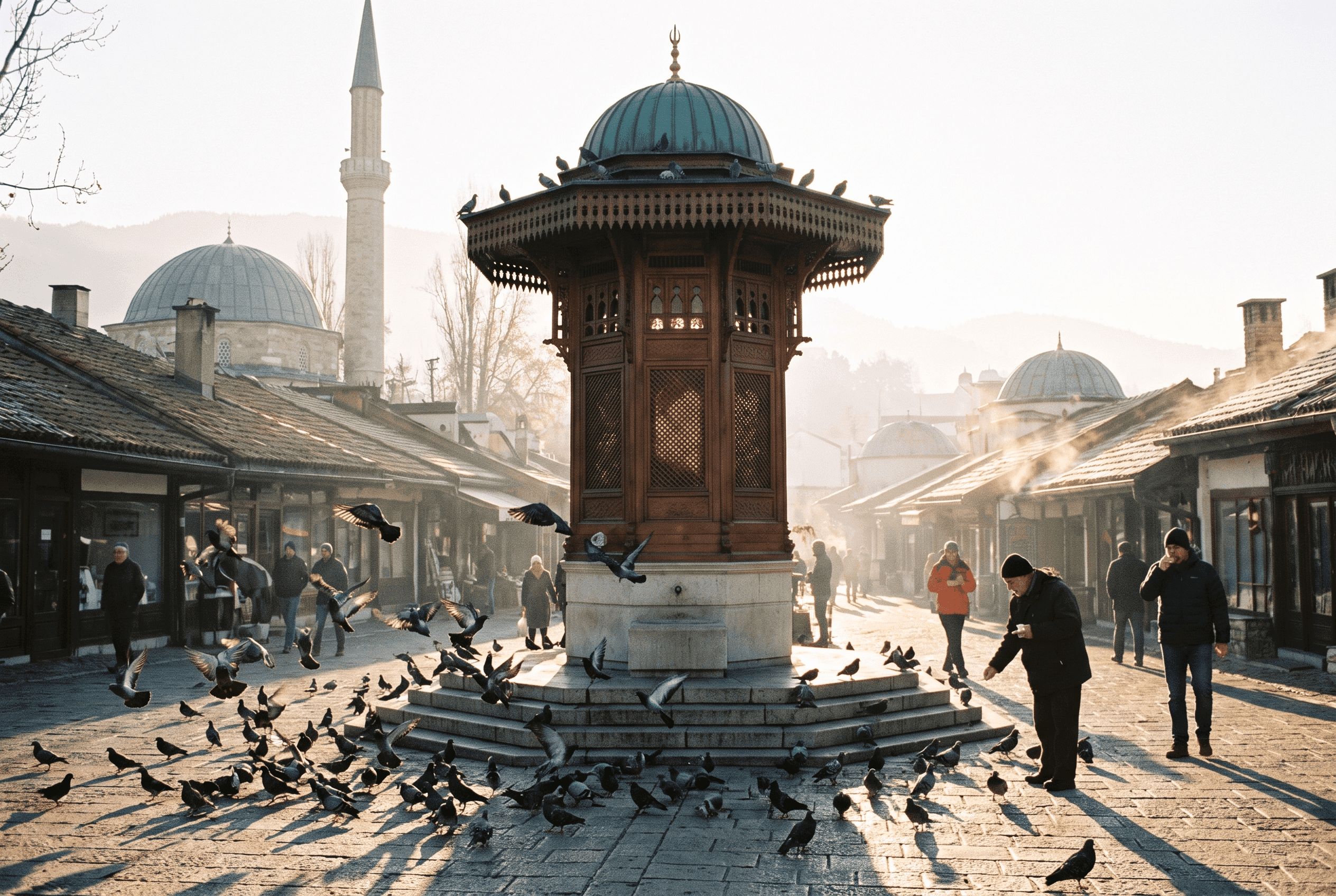
Baščaršija (the old bazaar) puts you among the copper workshops and ćevapi grills; Marijin Dvor near the Holiday Inn is quieter with tram links; the hillside quarters of Bistrik and Kovači offer views and small family pensions. The whole centre is walkable, so choose for atmosphere.
A slow weekend
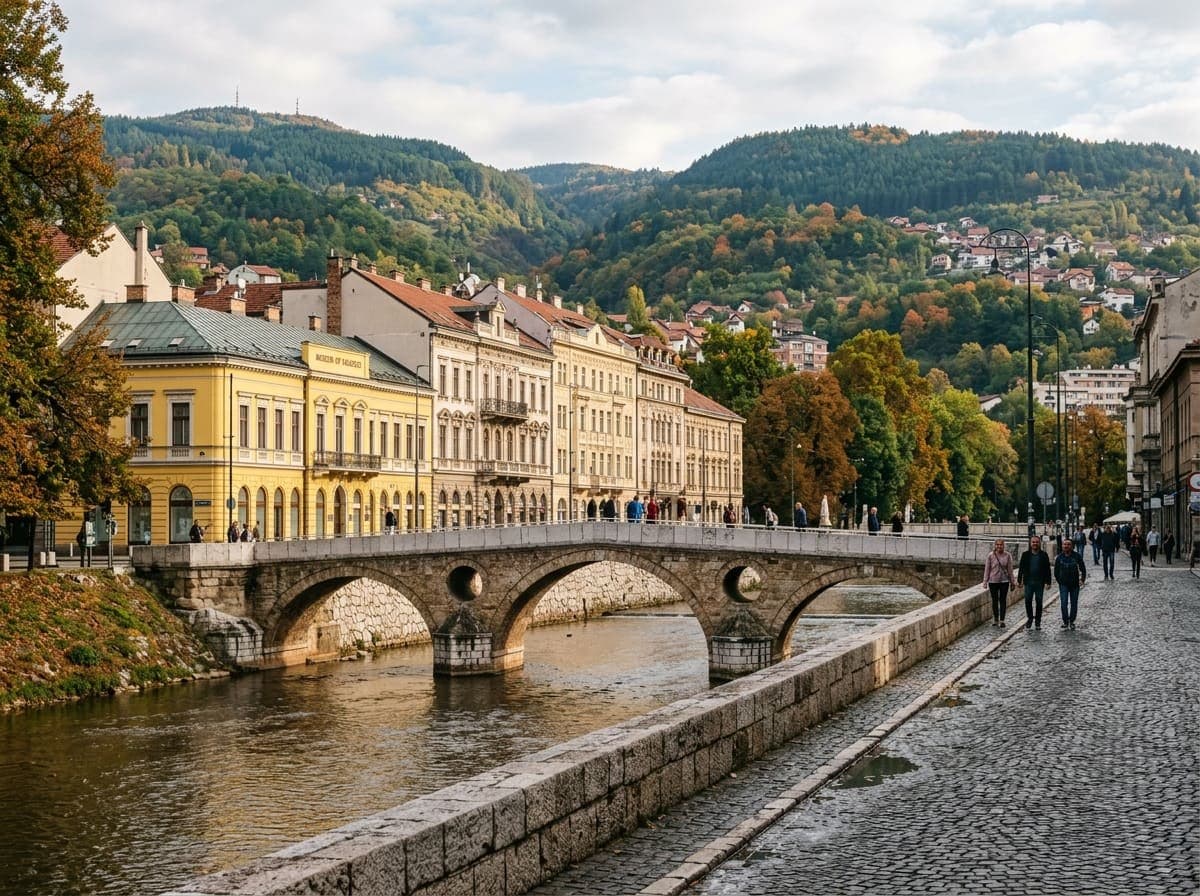
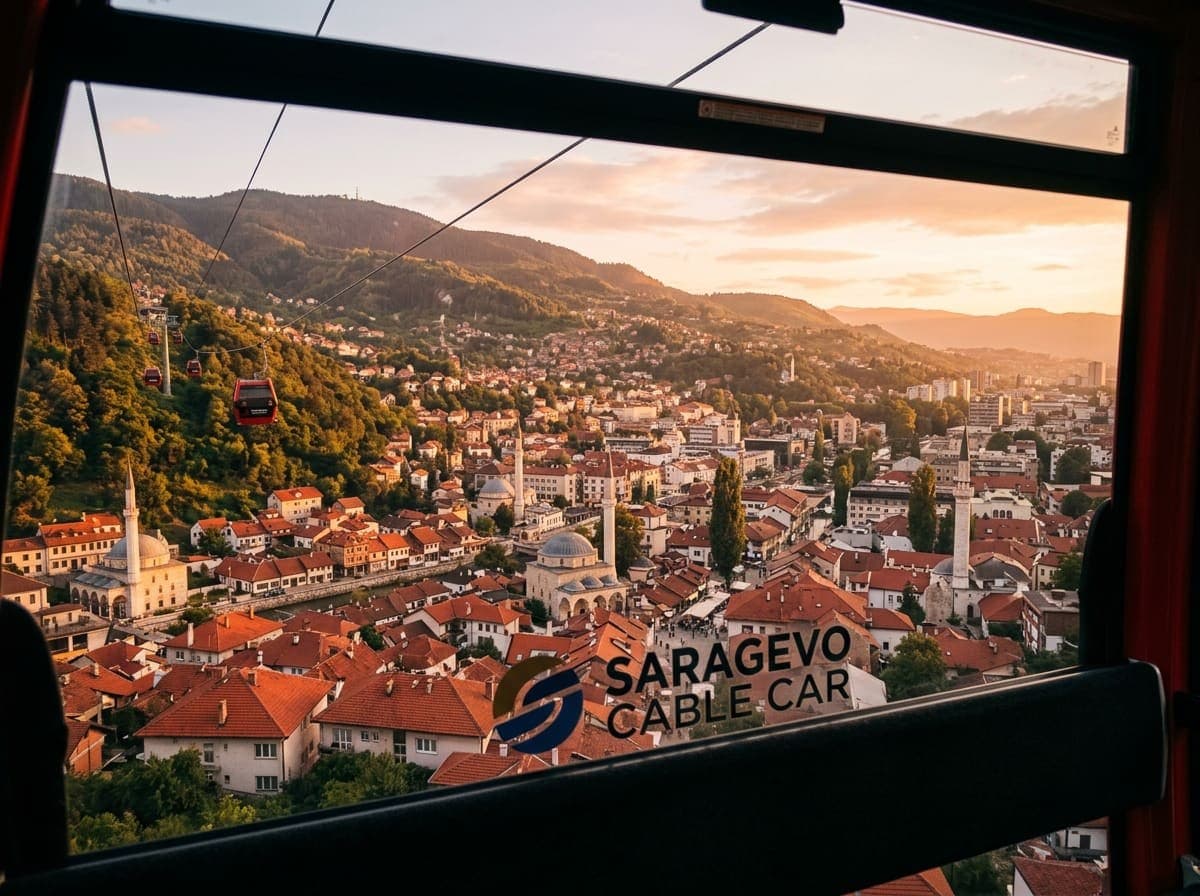
Day 1: Baščaršija and the Sebilj fountain, Gazi Husrev-beg Mosque, coffee at Morića Han, the Latin Bridge, sunset from the Yellow Fortress. Day 2: The Tunnel of Hope museum by the airport, the War Childhood Museum, then the Trebević cable car and a walk down the abandoned Olympic bobsleigh track. Day 3 (optional): Day trip to Mostar's bridge and the Kravica waterfalls, 2.5 hours by bus.
What to eat
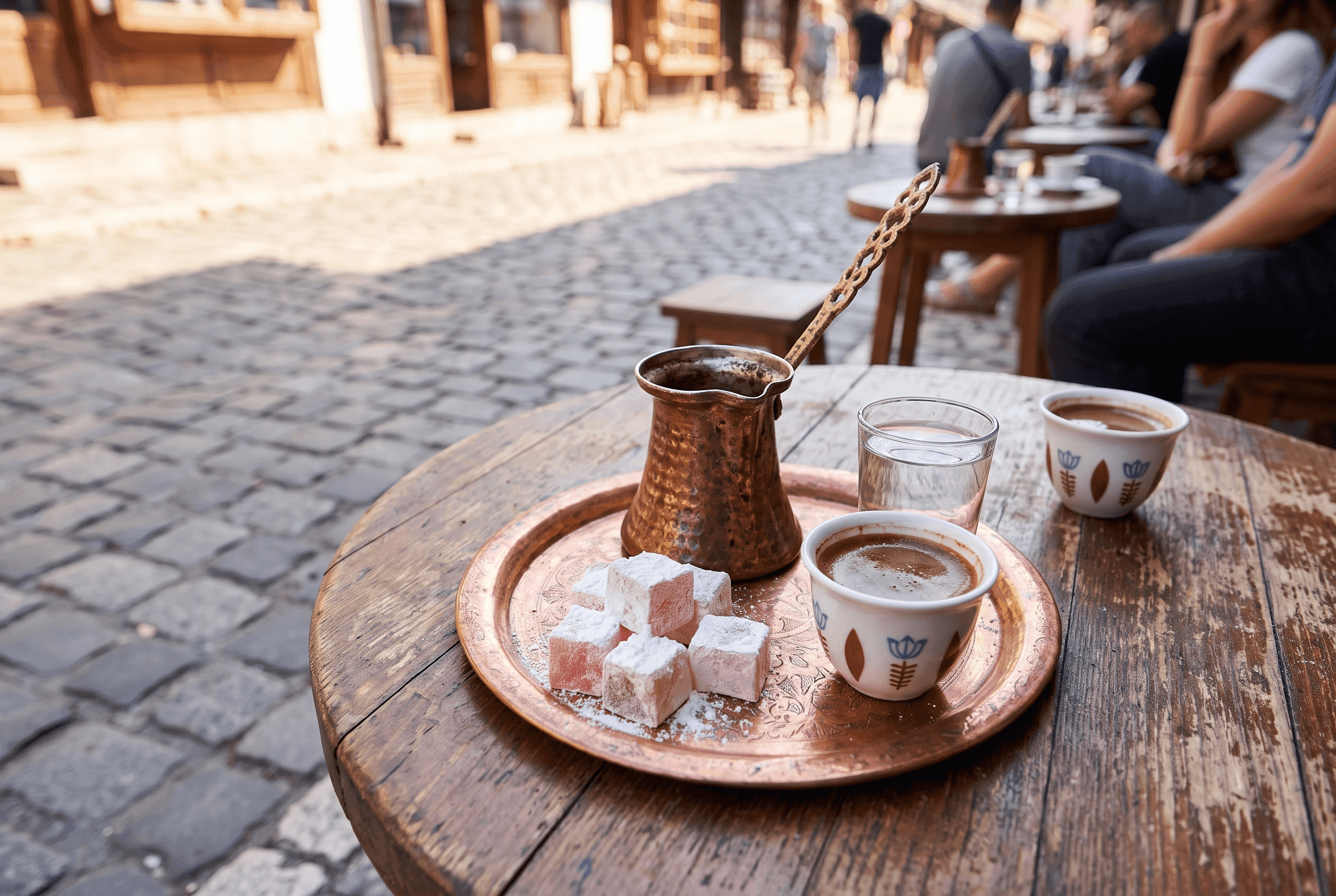
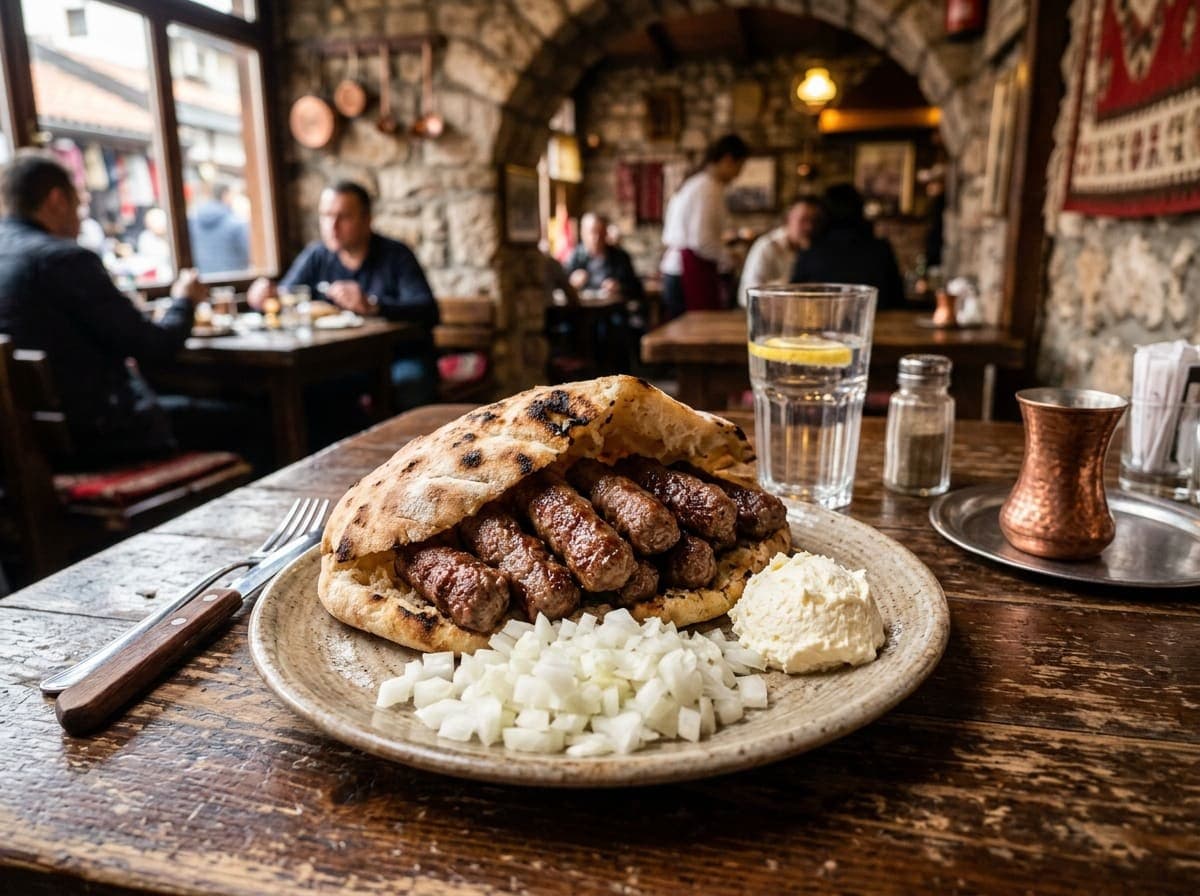
Ćevapi — small grilled beef sausages in somun bread with raw onion and kajmak — is the dish; Željo and Mrkva are the classic grills. Burek (meat) and sirnica (cheese) pies from the buregdžinica are breakfast. Bosnian coffee arrives in a copper džezva with a sugar cube and rahat lokum; sip slowly. Finish with tufahija, a walnut-stuffed poached apple.
Getting there and around
SJJ is 12 km from the centre; taxis are metered and cheap, and a shuttle bus runs to Baščaršija. In town the tram along the main boulevard and your feet cover everything; the cable car leaves from behind the old town. Buses to Mostar, Dubrovnik and Belgrade leave from the main station; the scenic train to Mostar runs twice daily.
Costs and practical tips
Bosnia is one of Europe's least expensive countries: a full ćevapi dinner for two costs less than a coffee-and-cake in Vienna. The currency is the convertible mark (KM), pegged to the euro; many places quote both. Sundays are quiet. Respect signs about unexploded ordnance when hiking off marked paths in the surrounding hills.
How do I get from Sarajevo to Mostar?
By train (about two hours, spectacular through the Neretva canyon) or by bus (2.5 hours, more departures). Book the train a day ahead in summer.
Is Sarajevo safe?
Yes; the city centre is calm at any hour. Normal precautions apply, as anywhere.
When is the best time to visit Sarajevo?
Walkable centre; day trips to Mostar; coffee is a ritual, not a takeaway.