Sarajevo Month by Month: When to Go for Lilacs, Film Nights, Snow or Bargains
A month-by-month guide to Sarajevo's weather, crowds, prices and festivals, so you choose between May blossom, August film nights and quiet winter streets with full information.
10 min read
Why Your Dates Matter So Much in Sarajevo
Sarajevo is a different city in each season. It sits at roughly 500 metres in a narrow valley ringed by Trebević, Igman and Bjelašnica, and that geography shapes everything: hot, dry afternoons in July, snow on the minarets in January, and in some winter weeks a lid of smog that settles over the valley floor.
Crowds and prices follow two calendars. One is the European one, with spring and early autumn shoulder seasons. The other matters most to readers flying from the Gulf. From late June to the end of August, and especially around Eid, Sarajevo becomes one of the region's favourite summer escapes. Hotels around Baščaršija and Ferhadija fill, rental cars sell out, and day trips to Vrelo Bosne turn busy.
The good news is that the city rewards careful timing. May, June and September give you warm days, cool evenings, green hills and room-rate discounts of around a third compared with August. Winter is cheaper again and offers Olympic ski slopes 30 to 40 minutes away. This guide covers each month in turn: what the weather actually does, who else will be there, what you will pay, and which events are worth planning around.
The Quick Verdict: Which Month Suits Which Traveller
If you only read one section, read this one.
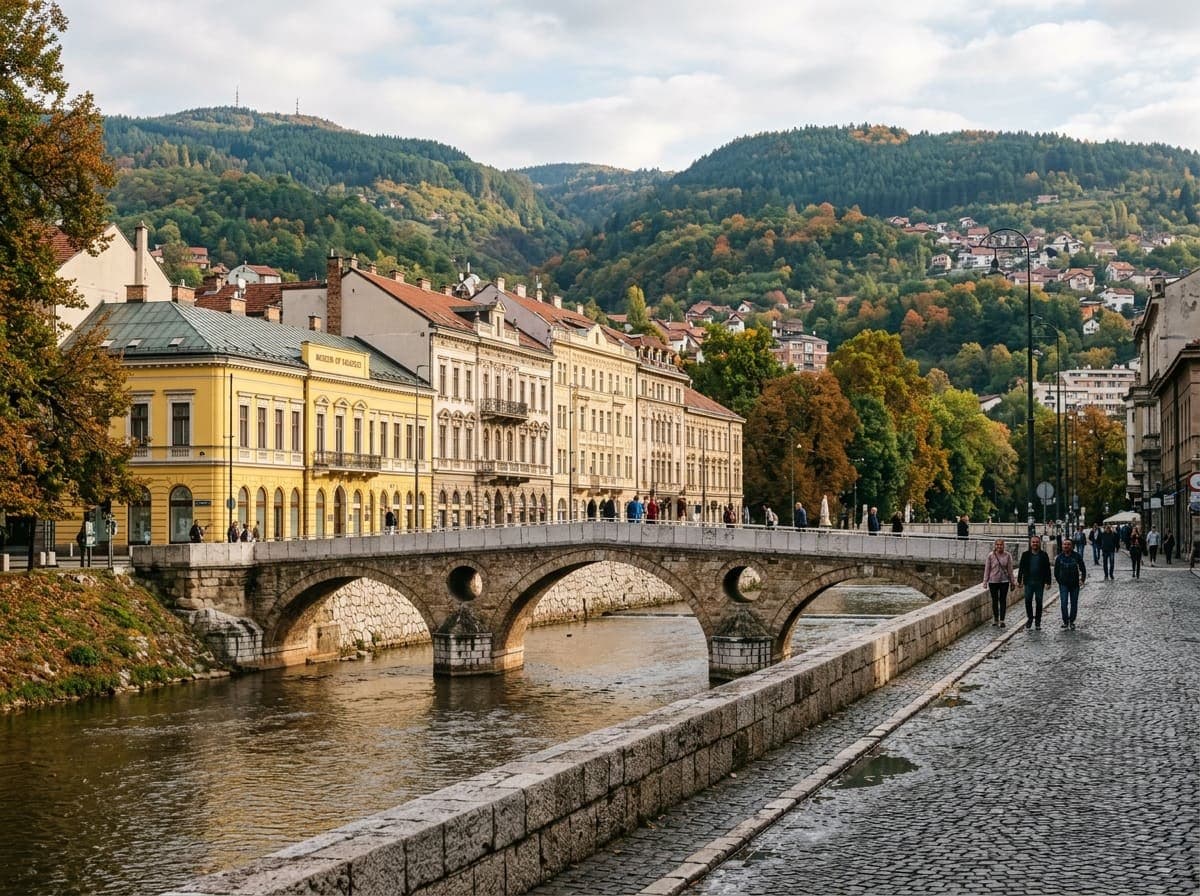
- Best overall: late May, June and September. Highs typically run around 20-26°C, the hills are green or turning gold, and prices sit between low and peak. Good for families, couples and first-timers.
- Best for festivals: August. The Sarajevo Film Festival usually takes over the city in mid-August with open-air screenings and late nights. Expect the year's highest hotel rates.
- Best for a Gulf summer escape with fewer crowds: early July. It is warm rather than scorching in most years. Book before the Eid and school-holiday rush.
- Best for skiing: January to early March on Jahorina and Bjelašnica, the 1984 Winter Olympic mountains.
- Best for Ramadan atmosphere: in 2027, Ramadan falls roughly from mid-February to mid-March. Iftar at Gazi Husrev-beg Mosque and the cannon fired from the Yellow Bastion at sunset are memorable.
- Cheapest: November, January and February, outside ski weekends. Old-town doubles often drop to around 70-110 KM (roughly 145-230 AED).
- Months to approach with caution: December and January for air quality, and March and April for unsettled, rainy weather.
As a reference point, 1 KM (convertible mark) is typically worth around 2.1 AED. The mark is pegged to the euro, so prices are stable from one year to the next.
January to March: Snow, Ski Slopes, Smog and Ramadan
Weather: January is the coldest month. Daytime highs hover around 2-5°C and nights often fall to -5°C or lower. Snow is common but rarely lasts long in the city centre. February is similar. March swings between spring-like days of 15°C and late snowfalls.
The honest downside: on still, cold days, temperature inversions trap smoke from heating in the valley. Sarajevo can then record some of Europe's worst air quality. Check an air-quality app before you go out. Book a hotel with good windows, and plan your outdoor hours on Trebević or the ski slopes, which are usually above the haze.
Skiing: Jahorina (around 30 km away) and Bjelašnica (around 25 km) usually open from mid-December to March, depending on snow. Day passes typically cost around 50-80 KM. Equipment rental is about 30-50 KM a day, well below Alpine prices. Ski weekends and the mid-January to February school break push up mountain hotel rates.
Events: the Sarajevo Winter Festival runs through February and March with concerts, theatre and exhibitions. In 2027, Ramadan begins around mid-February. Restaurants in the old town stay open, but evenings come alive after iftar, and Baščaršija feels intimate and lantern-lit.
Prices: this is the cheapest season in the city. Doubles typically cost around 70-120 KM, except on Eid al-Fitr dates in mid-March 2027.
April to June: The Valley Turns Green
April is variable. Expect highs around 15-18°C, frequent showers and the first café terraces on Ferhadija and in Ciglane. Crowds are light and prices are close to winter levels. It suits travellers who mainly want museums such as the War Childhood Museum, the Tunnel of Hope and Gallery 11/07/95.
May is the city at its best. Highs typically reach around 20-23°C, the lilacs and chestnut trees bloom, and the green hillsides above Bistrik and Vratnik look freshly painted. Walk up to the Yellow Bastion at sunset, take the cable car up Trebević, and eat ćevapi at Željo or Hodžić on a terrace without breaking a sweat. In 2027, Eid al-Adha falls around mid-May. Expect a short spike in Gulf arrivals and rates, so book early for those days or avoid them.
June brings highs around 24-26°C and long evenings, with daylight until about 9pm. It is ideal for day trips to Mostar, Konjic and the Rakitnica canyon, or rafting on the Neretva. Late in the month, families from the Gulf begin to arrive and prices start to rise.
Prices: old-town doubles typically cost around 100-160 KM (roughly 210-340 AED). Book four to six weeks ahead for June weekends.
July and August: Gulf High Season and Film Festival Nights
Weather: highs typically reach 27-30°C, with occasional heatwaves in the mid-30s. That is mild by Gulf standards. Evenings cool to the high teens, and afternoon thunderstorms over the mountains are common. Air quality is excellent.
Crowds: this is peak season. The old town is busiest from about 6pm to midnight. Vrelo Bosne, the spring park in Ilidža, is packed with families at weekends. Popular escapes such as Bjelašnica's mountain villages, Lukomir and the lakeside resorts near Jablanica fill up with Gulf visitors. Arabic signage and halal-friendly menus are everywhere, which many readers find convenient.
Events: Baščaršija Nights (Baščaršijske noći) runs through July with free and low-cost concerts, folklore and theatre around the old town. The Sarajevo Film Festival usually takes place in mid-August. It brings red-carpet evenings at the National Theatre, open-air screenings and a heavy demand for rooms. Festival passes and many screenings sell out, so buy tickets online as soon as the programme is released.
Prices: this is the most expensive time of year. Old-town doubles typically cost around 180-300 KM (roughly 380-640 AED), and more during festival week and Eid. Apartments with parking and furnished villas in Ilidža or on Trebević are booked months ahead. Reserve three to four months out, and lock in rental cars early.
September and October: Golden Light and Thinner Crowds
September is the other sweet spot, and for many visitors the best month of all. Highs usually sit around 22-25°C in the first half and settle near 20°C by the end of the month. Gulf families have gone home, schools are back, and room rates drop noticeably after the first week. Markets such as Markale and the stalls near Ferhadija fill with plums, figs from Herzegovina, peppers for ajvar and the season's first quinces. It is also perfect hiking weather on Trebević, at the abandoned Olympic bobsleigh track, and up to the stone village of Lukomir.
October brings highs of around 15-18°C, crisp mornings and gorgeous colours on the slopes above Kovači and the cemeteries of Alifakovac. Bring layers and a waterproof jacket, because rain becomes more frequent. The MESS International Theatre Festival, one of the oldest in the region, usually runs in October. It fills venues such as the National Theatre and Kamerni teatar 55.
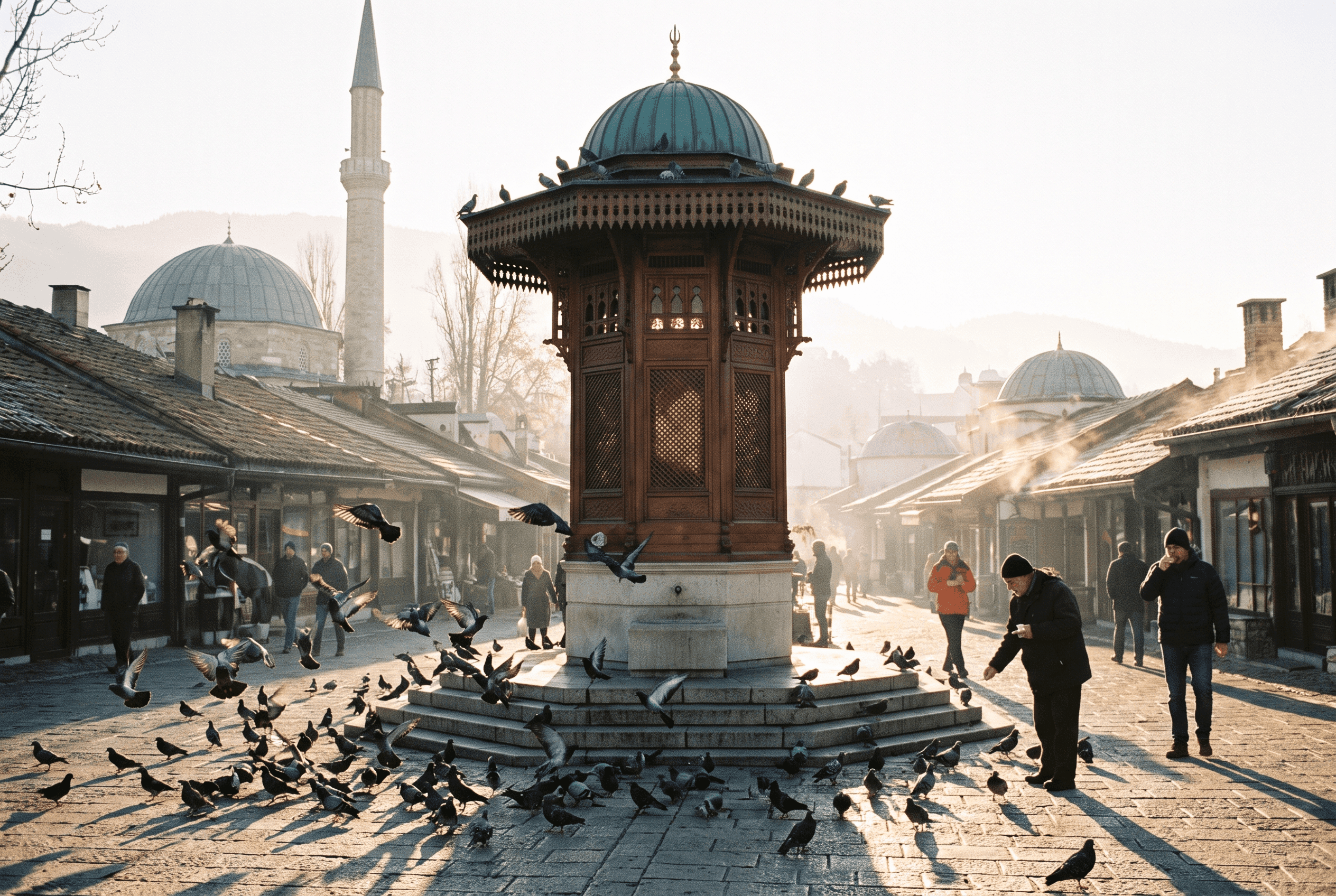
Prices: in September, doubles typically cost around 110-170 KM. In October they fall to around 90-140 KM. This is also a smart window for Gulf travellers who want cool weather and no queues at the Sebilj fountain, with an easy five-hour flight from Dubai.
November and December: Jazz, Lights and Low Rates
November is grey and damp. Highs are around 9-12°C, it is often foggy in the mornings, and the first heating smog appears late in the month. It is still the year's best-value month. Hotels in grand Austro-Hungarian buildings around Marijin Dvor often cost around 70-110 KM a night. The Sarajevo Jazz Festival, usually held in early November, brings international names to intimate venues. It pairs well with long, slow lunches of begova čorba (chicken and okra soup), klepe dumplings and tufahija (poached apple with walnuts) for dessert.
December turns festive. Highs are around 3-6°C, there is a chance of snow, and the city centre is strung with lights. A holiday market is usually set up in the centre, with mulled drinks, sweets and crafts, and the streets around Ferhadija and the Eternal Flame stay lively in the evenings. Ski resorts aim to open mid-month, snow permitting. The New Year period is the main price spike outside summer, as visitors from the region arrive for parties and concerts.
Air quality warning: December and January are the months most likely to bring inversion smog. Travellers with asthma or heart conditions should check daily readings and plan time in the mountains.
Prices: doubles typically cost around 80-130 KM, rising sharply around 30-31 December.
A Four-Day Plan for Late May or September
This plan suits the two best shoulder months, when you can be outdoors from morning to night.
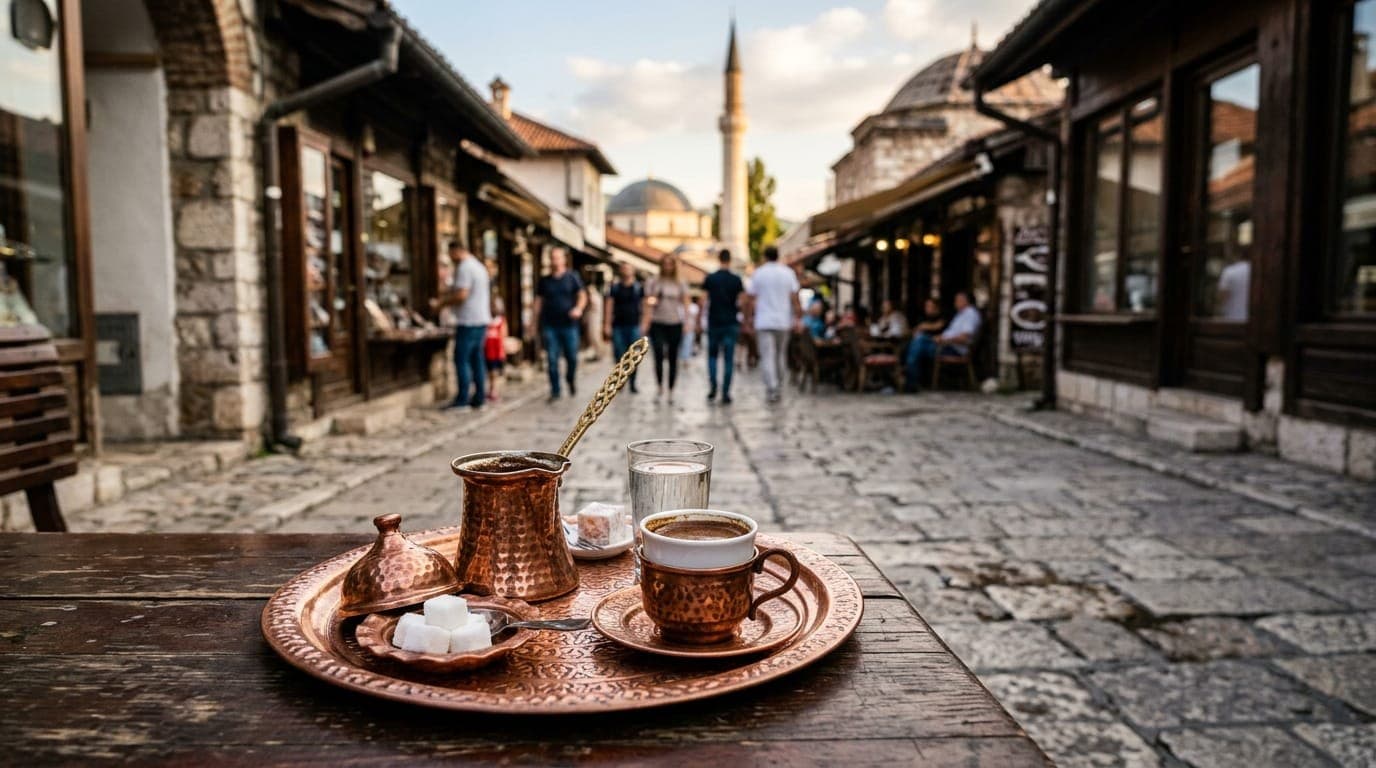
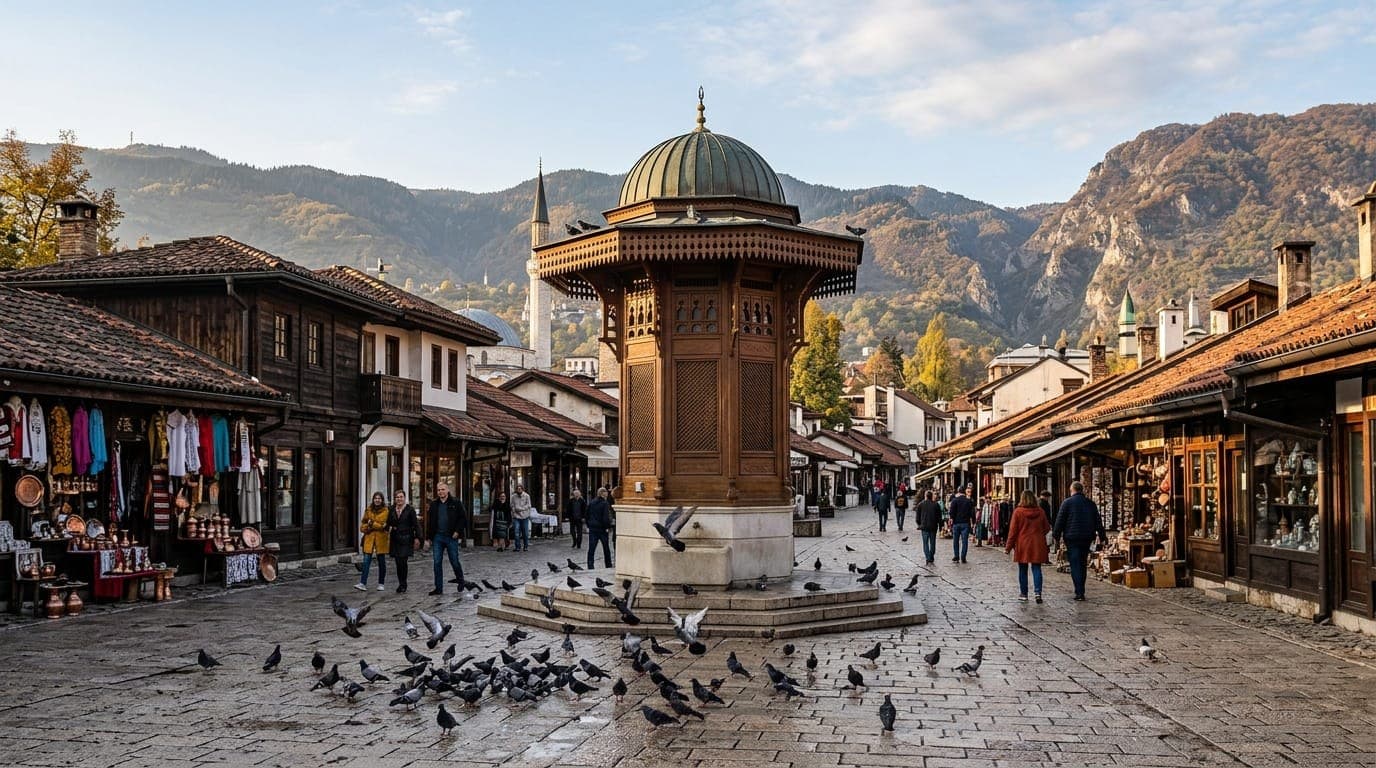
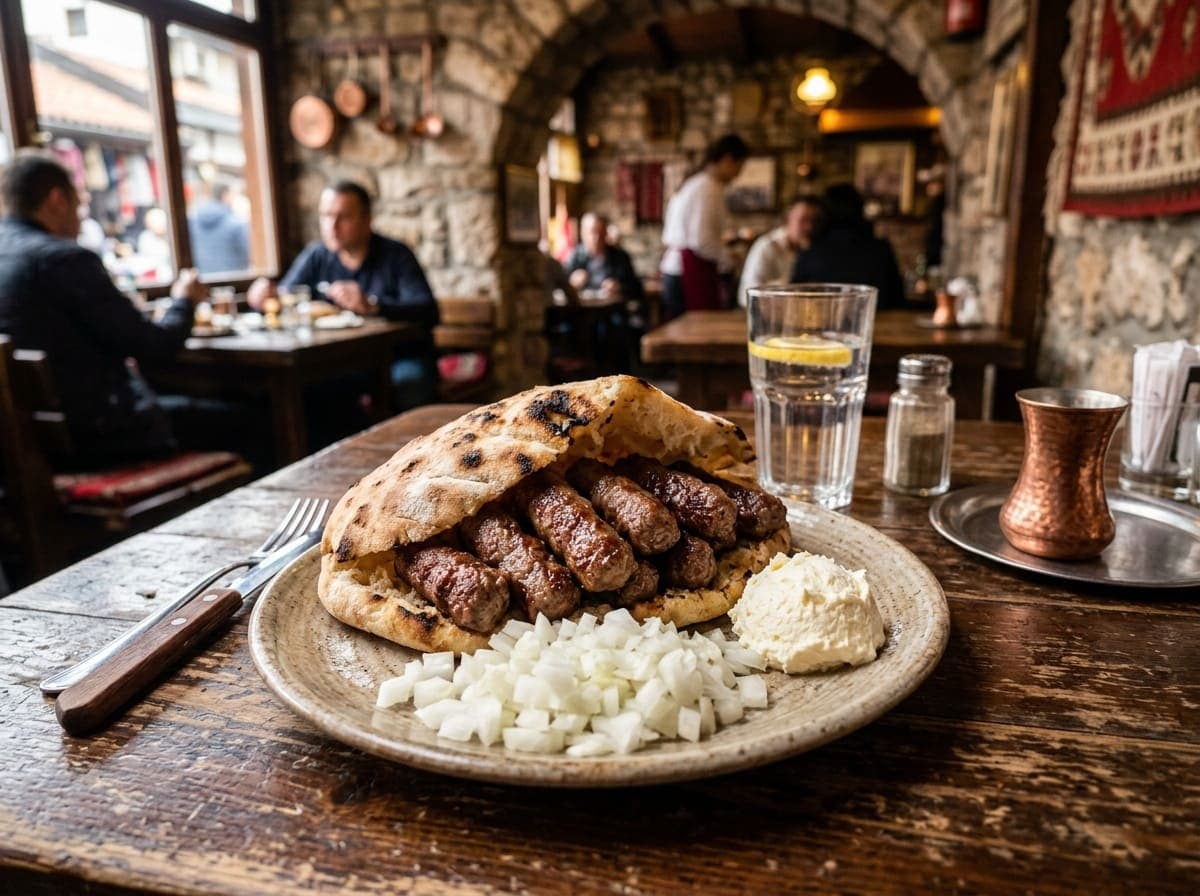
Day 1: Old town and East-West. Start at Sebilj and Gazi Husrev-beg Mosque (entry typically around 5-10 KM). Then walk past the Sarajevo Meeting of Cultures line on Ferhadija into the Austro-Hungarian centre. Lunch on ćevapi (around 10-15 KM for a portion), followed by Bosnian coffee in Kuća Sevdaha. Climb to the Yellow Bastion for sunset.
Day 2: War and resilience. Spend the morning at the War Childhood Museum or Gallery 11/07/95. In the afternoon, take a taxi or a tour to the Tunnel of Hope in Butmir, near the airport. Return via Vrelo Bosne in Ilidža, where you can hire a horse carriage along the plane-tree avenue for around 20-30 KM.
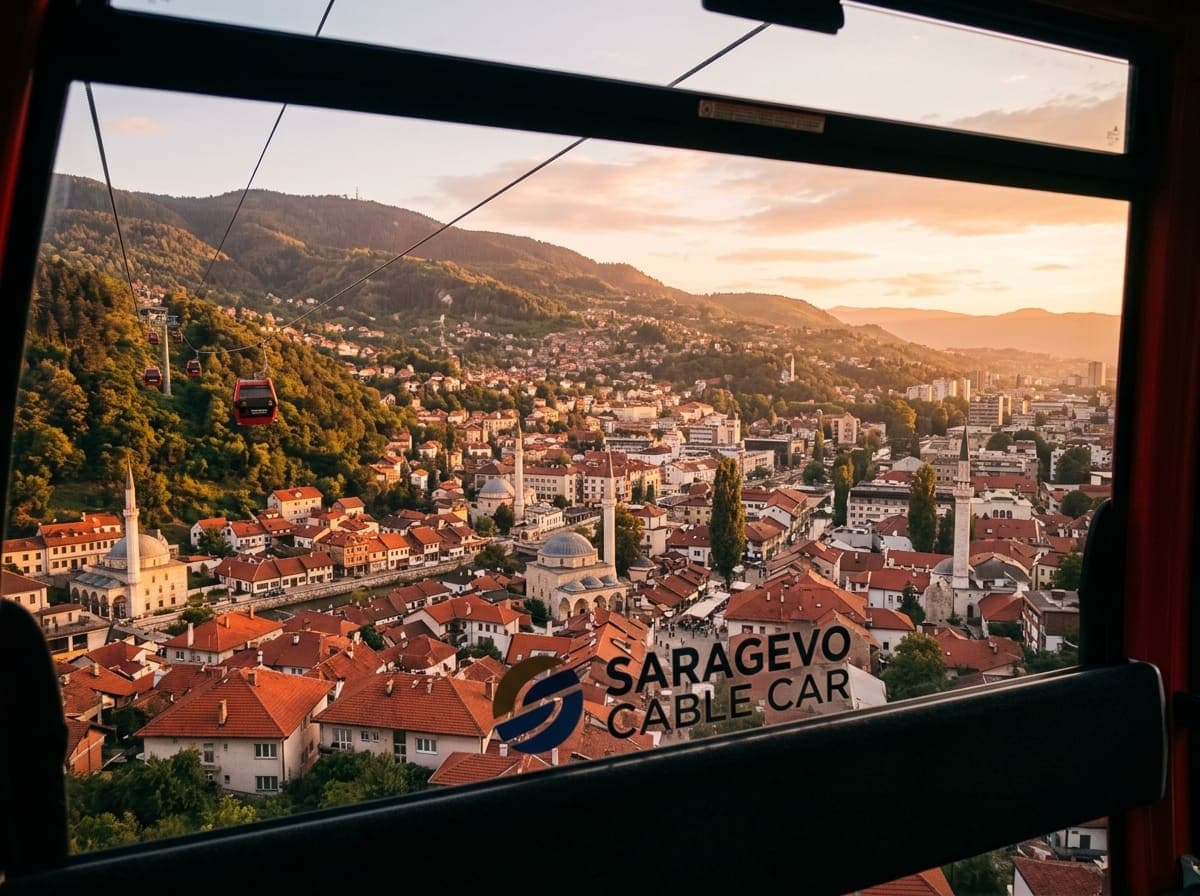
Day 3: Trebević. Ride the cable car from Bistrik (return tickets typically cost around 20 KM for visitors). Walk the bobsleigh track and have lunch at a mountain café.
Day 4: Day trip. Drive or join a tour to Konjic and Mostar, around 2-2.5 hours each way. Alternatively, head to Lukomir for highland lamb and views over the Rakitnica canyon. Day tours typically cost around 60-120 KM per person.
Practical: Flights, Getting Around, Money and Safety
Getting there: Sarajevo International Airport (SJJ) is in Butmir, around 12 km from Baščaršija. flydubai typically flies from Dubai in around five hours. Seasonal summer routes from Saudi Arabia and other Gulf cities usually increase in June to August. Otherwise, connect via Istanbul, Doha or European hubs. A taxi into town typically costs around 20-30 KM and takes 20-30 minutes. Agree the fare or check that the meter is running. An airport shuttle bus runs to the centre for a few marks.
Getting around: Tram line 3 runs from Ilidža through Marijin Dvor to Baščaršija and covers most visitor needs. Tickets typically cost under 2 KM from kiosks, a little more from the driver. Validate on boarding, because inspectors fine riders. Taxis are cheap, at around 5-10 KM for most central trips. A car is worth having for Lukomir and Herzegovina.
Entry: UAE passport holders are generally visa-exempt. Other GCC and Levant nationals should check current rules. Holders of valid multi-entry Schengen, UK or US visas can usually enter for short stays.
Money: use the convertible mark (KM/BAM). Euros are often accepted, but change is given in KM. Cards are widely accepted in the centre, but bring cash for markets and ćevabdžinicas.
Safety: Sarajevo is generally safe. Watch for pickpockets in Baščaršija in summer. In the mountains, stay on marked trails, because landmines remain in some remote areas.
Read more: Sarajevo · Sarajevo on a Budget: What a Day Really Costs, From Burek Breakfasts to Hotel Europe · A Weekend in Sarajevo: Baščaršija on Saturday, Trebević on Sunday
What is the single best month to visit Sarajevo?
September is the strongest all-round choice. It brings warm days of around 22-25°C, clean air and harvest food, and prices drop once summer crowds leave. Late May is a close second, with blossom and green hills.
Is Sarajevo too crowded in summer for Gulf travellers?
July and August are busy and expensive, especially around Eid and the Sarajevo Film Festival in mid-August. Early July or early September gives you summer weather with fewer queues and lower rates.
Is winter air pollution in Sarajevo a real problem?
Yes, on some still days between December and February, smog collects in the valley. Check air-quality readings and plan outdoor time on Trebević or the ski slopes, where the air is usually clear.
When is ski season near Sarajevo and what does it cost?
Jahorina and Bjelašnica usually operate from mid-December to March. Day passes typically cost around 50-80 KM, and equipment rental around 30-50 KM a day, far cheaper than the Alps.
What is Sarajevo like during Ramadan?
Days are calm and restaurants in the old town stay open. After sunset, a cannon shot from the Yellow Bastion marks iftar, and Baščaršija fills with families. In 2027, Ramadan runs roughly from mid-February to mid-March.
Tags:SarajevoBosnia and HerzegovinaFestivalsBalkansWhen to Travel