What a Day in Dubai Really Costs: Shoestring, Mid-Range and Splurge Budgets
Real daily costs in Dubai, from AED 1 abra rides and AED 20 curries to rooftop pool passes and AED 600 brunches, with honest budgets for every traveller.
10 min read
Why Dubai Costs Less Than Its Reputation
Dubai sells itself on superlatives: the tallest tower, the most expensive cocktails, suites with butlers. That image puts off many travellers, but the real city works on two price levels. Next to the glass towers there is another Dubai. Bus drivers, nurses and shopkeepers eat AED 15 biryani in Karama, cross the Creek for AED 1 by abra and spend weekends on public beaches that cost nothing.
For Gulf and Levant travellers the maths is simple. AED 1 is roughly SAR 1, around USD 0.27 and close to JOD 0.19, so prices are easy to read. Flights from Riyadh, Amman, Beirut, Kuwait or Muscat are short and frequent. A two-night stopover on the way to Asia or Europe can easily turn into a proper holiday.
This guide breaks down what a day really costs at three levels: shoestring, mid-range and splurge. It covers beds, meals, transport, sights, the desert and those rooftop pools, and shows where spending more is worth it and where it is wasted.
Timing matters as much as budget. November to March brings warm days around 24–30°C and comfortable evenings, which suits beaches and the desert. It is also peak season, when hotel rates can double compared with summer. Budget travellers get the best value in late November or early March, outside the Christmas, New Year and Dubai Shopping Festival peaks.
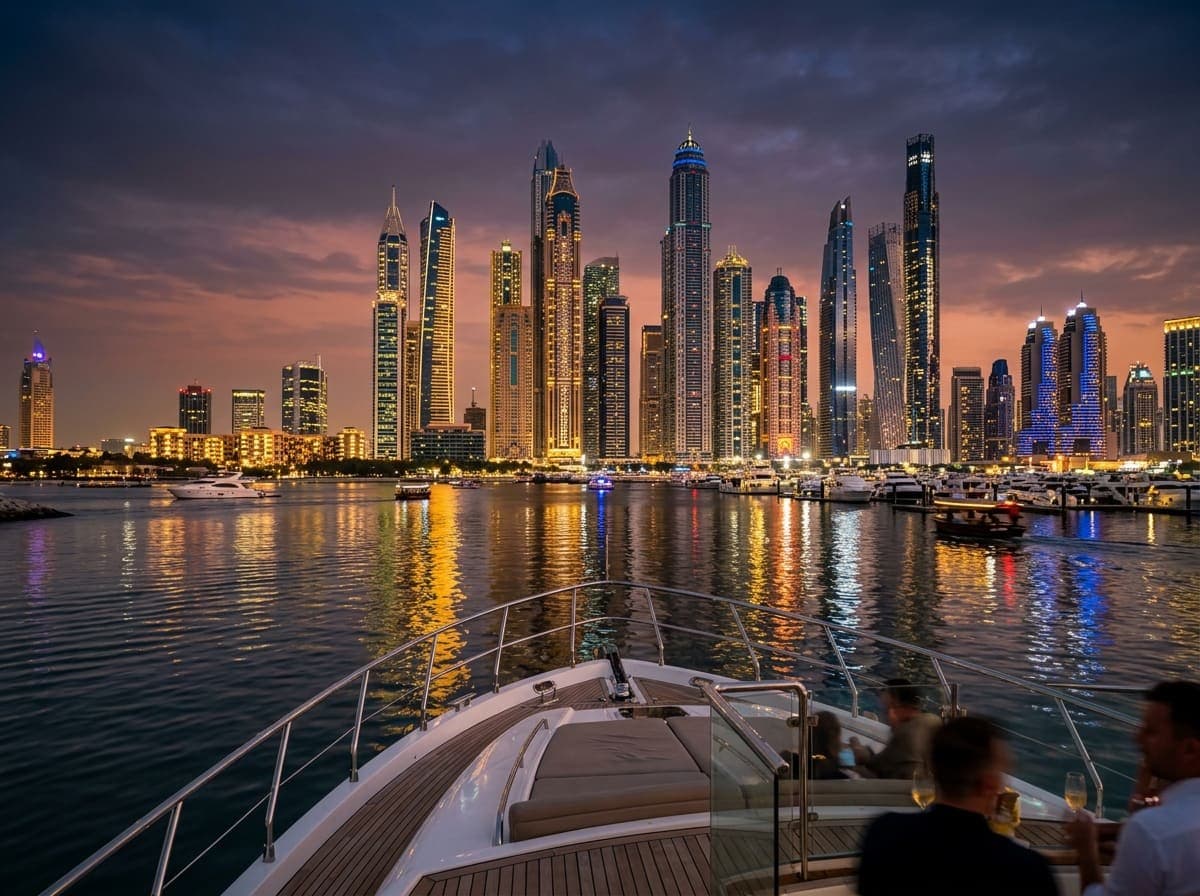
Three Daily Budgets at a Glance
These are realistic per-person figures for high season (November–March), assuming two people share a room. Solo travellers should add 40–60% to the accommodation line.
Shoestring: around AED 300–450 a day
- Bed: around AED 120–200 (half of a budget double in Deira or Bur Dubai)
- Food: around AED 60–90 (cafeterias, shawarma, Indian and Pakistani diners)
- Transport: around AED 20–30 (Metro, buses, abra)
- Sights: mostly free, plus one paid entry of around AED 50
Mid-range: around AED 800–1,300 a day
- Bed: around AED 300–550 (half of a 4-star double in Al Barsha, Business Bay or JBR)
- Food: around AED 200–300 (one sit-down dinner, café breakfasts)
- Transport: around AED 60–120 (Metro plus a few Careem or Uber rides)
- Experiences: around AED 200–350 (Burj Khalifa off-peak, shared desert safari)
Splurge: AED 3,000+ a day
- Bed: around AED 1,500–5,000+ (beach resort or iconic hotel)
- Food and drink: around AED 800–1,500 (brunch, fine dining, cocktails)
- Transport: private drivers and limousine taxis
- Experiences: hot-air balloon flights, yacht charters, Level 148 at Burj Khalifa
The biggest swing factor is alcohol. A beer in a hotel bar typically costs AED 40–60, so a few rounds can match a shoestring traveller's whole day.
Where Your Money Sleeps: Neighbourhoods and Room Rates
Accommodation eats the largest share of any Dubai budget, and location decides the price far more than star rating.
Cheap: Deira and Bur Dubai. Older 2- and 3-star hotels around Al Rigga, Al Muraqqabat and Al Fahidi typically charge around AED 250–400 a night for a double in high season. They sit on the Green and Red Metro lines, close to the souks and the Creek, and surrounded by cheap restaurants. Rooms are dated but clean, and many include breakfast.
Mid-range: Al Barsha, Business Bay and Downtown edges. Big-brand 4-star hotels in Al Barsha near Mall of the Emirates, or in Business Bay near the canal, typically run around AED 600–1,100. Many have rooftop pools, which saves you a day-pass fee.
Splurge: Palm Jumeirah, Jumeirah Beach and Downtown. Beach resorts on the Palm or along Umm Suqeim usually start around AED 2,000 and climb fast over New Year. Burj Al Arab rooms typically begin around AED 5,000–7,000.
Hidden extras: every booking carries the Tourism Dirham fee, around AED 7–20 per room per night depending on hotel category. Add service charges and VAT, usually already included in UAE quoted prices but worth checking. Short-term apartments in JLT or Dubai Marina can beat hotel rates for families staying four nights or more.
Eating: From AED 15 Curries to AED 600 Brunches
Food is where Dubai rewards a budget traveller most. The city's huge South Asian, Levantine and Filipino communities keep honest, cheap kitchens running everywhere.
Cheap eats (AED 10–40):
- Ravi Restaurant, Satwa: Pakistani mutton karahi and daal with fresh naan, typically around AED 20–35 a head.
- Al Mallah, Al Dhiyafah Road: shawarma around AED 10–15, plus fresh juices.
- Karama: Kerala parotta and beef fry, Sri Lankan kottu and Filipino silog breakfasts, mostly under AED 30.
- Bu Qtair, Umm Suqeim: fried fish with rice and curry under a shack roof near Burj Al Arab, typically around AED 40–70 per person.
- Al Ustad Special Kabab, Bur Dubai: Iranian kebabs, around AED 30–50.
Mid-range (AED 100–250 per person): Emirati dishes such as machboos, luqaimat and chebab pancakes at Al Fanar (Al Seef) or Logma, and Lebanese grills along Jumeirah Beach Road.
Splurge (AED 400–1,000+): the famous Friday and Saturday brunches typically cost around AED 350–700, more with premium alcohol packages. Tasting menus at the city's top restaurants often pass AED 800.
Tips: tap water is safe, and a 1.5-litre bottle costs around AED 2 in a grocery, so avoid the AED 15–25 mini-bar version. Many cafeterias add no service charge. Leaving 10% is normal in sit-down restaurants.
Sights and Activities: Free, Cheap and Worth the Splurge
Many of Dubai's best moments cost nothing.
Free:
- Dubai Fountain shows at Burj Khalifa Lake, roughly every 30 minutes in the evening.
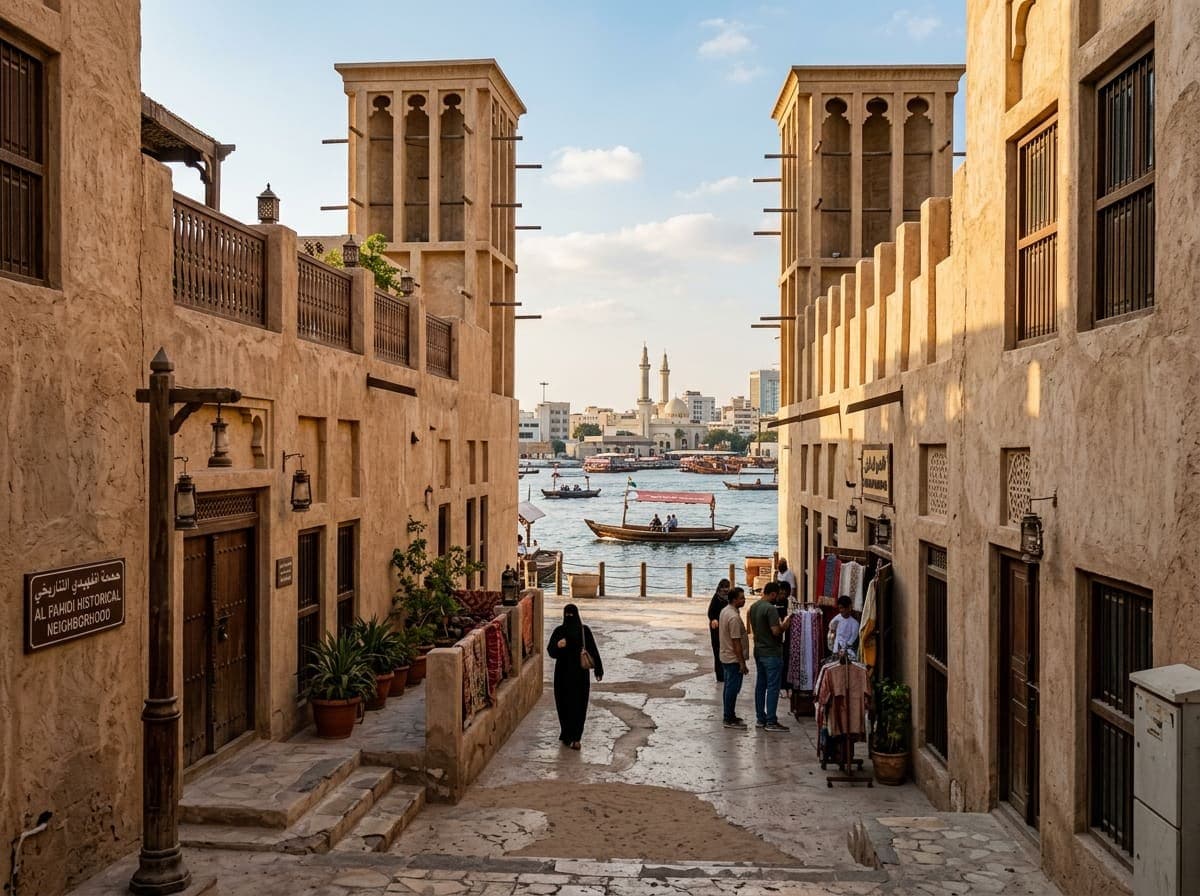
- Al Fahidi Historical Neighbourhood: wind towers, courtyards and small galleries.
- Gold Souk and Spice Souk in Deira for browsing.
- Alserkal Avenue in Al Quoz for contemporary galleries in converted warehouses.
- Kite Beach, JBR Beach and Al Mamzar for the sea.
- The Dubai Mall Aquarium viewing panel, without paying for the tunnel.
Cheap (AED 1–60):
- Abra across the Creek: around AED 1 each way. Still the best value ride in the Gulf.
- Dubai Frame: typically around AED 50, with good views of old and new Dubai.
- Etihad Museum: around AED 25, covering the story of the UAE's founding in 1971.
- Coffee Museum, Al Fahidi: small entry fee, often with a free cup of Arabic coffee.
Worth paying for:
- Burj Khalifa At the Top (Levels 124–125): around AED 150–200 off-peak, but often over AED 250 at sunset. Book a morning slot to save.
- Museum of the Future: around AED 150. Book online days ahead.
Skip if you're counting dirhams: Level 148 at Burj Khalifa (typically AED 400+) offers only a marginally better view than Level 125 for more than double the price.
Desert, Beach and Rooftop Pools: Cheap Versus Splurge
These are the experiences most people come for, and the price range is huge.
Desert safari
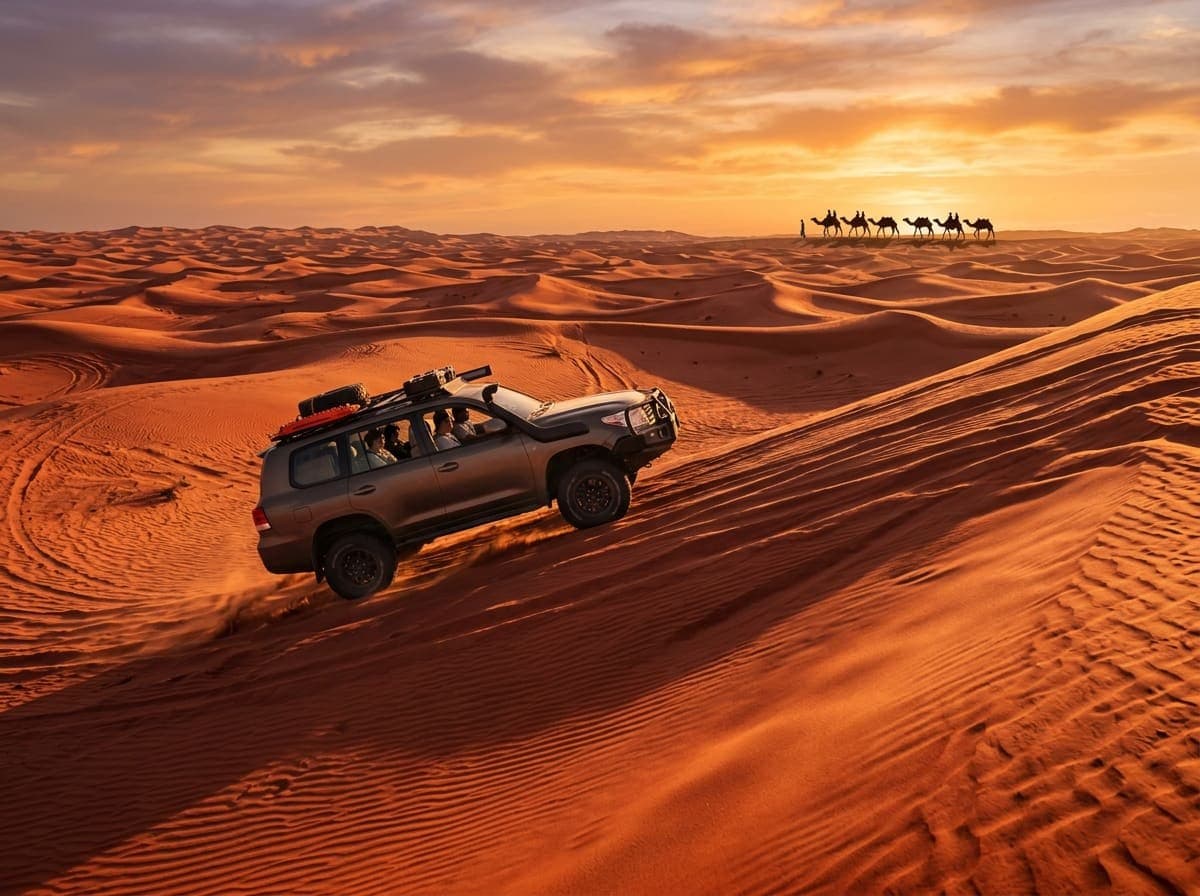
- Budget: shared 4x4 evening tours with dune bashing, a camel ride, a BBQ buffet and a show typically cost around AED 150–250. Expect a crowded camp, but the dunes are real.
- Mid-range: smaller-group tours into the Dubai Desert Conservation Reserve with heritage-style camps and falconry, around AED 400–700.
- Splurge: sunrise hot-air balloon flights, typically around AED 1,000–1,400, often with a gourmet breakfast and vintage Land Rover transfers.
Beaches
- Public beaches such as Kite Beach and JBR are free, with showers and cheap sunbed rentals of around AED 50–100.
- Hotel beach clubs on the Palm typically charge around AED 200–500 for a day pass, often partly redeemable on food and drink.
Rooftop pools at sunset
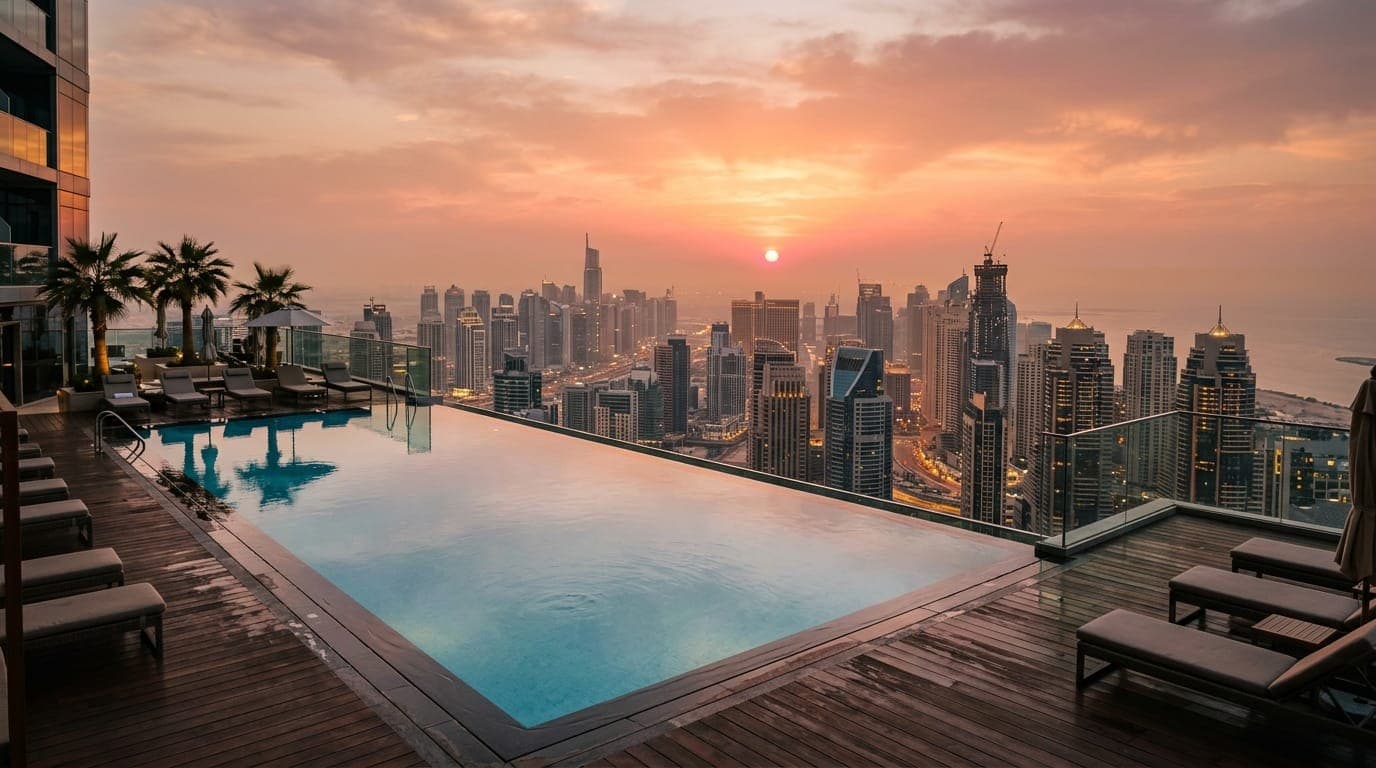
- Many hotel rooftop pools sell day passes for around AED 150–400, especially at weekends. Ask whether the fee is redeemable on food and drink. If it is, a pass can cost about the same as lunch.
- The cheapest strategy is to book a mid-range hotel that already has a rooftop pool, which is common in Business Bay and Downtown.
Insider tip: in winter, desert mornings are cooler and less crowded. Morning safaris are usually cheaper than evening BBQ tours.
A Three-Day Sample Budget, Day by Day
Here is a realistic mid-range three-day plan, with costs per person. Shoestring and splurge swaps are in brackets.
Day 1: Old Dubai (around AED 200–280)
- Breakfast in Karama, around AED 20.
- Al Fahidi and the Coffee Museum, mostly free.
- Abra to Deira (AED 1), then the souks.
- Lunch at Al Ustad, around AED 40.
- Afternoon at Etihad Museum, around AED 25.
- Dinner at Al Fanar at Al Seef, around AED 120.
- Transport, around AED 25.
- Splurge swap: a dhow dinner cruise on the Creek, around AED 250–400.
Day 2: Desert (around AED 300–450)
- A slow hotel morning and pool.
- Light lunch, around AED 50.
- Shared evening desert safari, around AED 200–250 with dinner included.
- Shoestring: a cheaper budget safari. Splurge: a balloon flight at dawn.
Day 3: New Dubai (around AED 350–500)
- Morning Burj Khalifa ticket, around AED 170.
- Free fountain views.
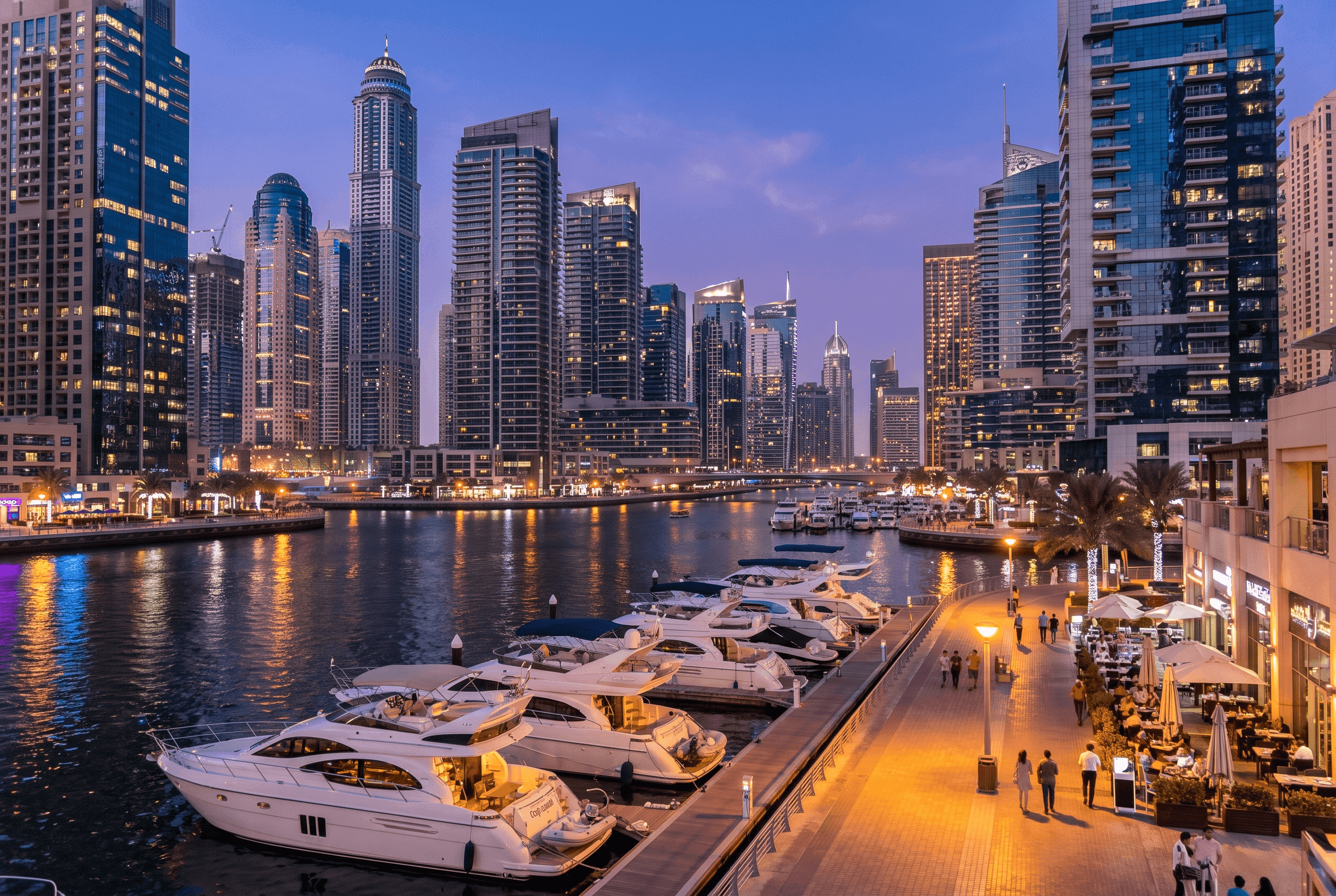
- Metro to the Marina.
- Lunch at Bu Qtair, around AED 50.
- Kite Beach, free.
- Sunset rooftop pool pass, around AED 150–250, or free at your hotel.
- Shawarma or dinner in JBR, around AED 40–120.
Total for three days (excluding the room): roughly AED 850–1,250 mid-range, around AED 450–600 shoestring, and AED 3,000+ splurge.
Practical: DXB, Getting Around, Money and Safety
Getting there: Dubai International (DXB) has direct flights from almost every Gulf and Levant city, usually 1–4 hours. The Red Line Metro serves Terminals 1 and 3. Terminal 2, used by flydubai and some regional carriers, has no Metro, so use a taxi or bus. A Metro ride to Downtown typically costs around AED 6–9. Airport taxis start with a higher flag fall, and a ride to Downtown usually costs around AED 60–90.
Visas: GCC citizens enter freely. Most Levant passport holders need a pre-arranged visa, which airlines and hotels can often sponsor. Check current rules before booking, as they change.
Getting around: buy a Nol Silver card (around AED 25 including stored credit). Metro and bus fares typically run around AED 3–8 depending on zones. Gold Class costs double but is calmer at rush hour. Taxis, Careem and Uber are metered and fair, with a minimum fare of around AED 12. The Dubai Tram links the Marina, JBR and the Palm Monorail.
Money: cards are accepted almost everywhere, but carry some cash for abras, souks and small cafeterias. Exchange houses in Deira and the malls usually beat airport rates. Prices include 5% VAT.
Safety and etiquette: Dubai is very safe, including for solo women. Dress modestly in souks, malls and old districts. Eating, drinking and vaping in public are illegal. During Ramadan, avoid eating or drinking in public in daylight.
Read more: Dubai · One Perfect Day in Dubai: Old Creek Mornings, Desert Afternoons and Marina Nights · The Rule of Three: How to Pack Carry-On Only for Dubai
How much money do I need per day in Dubai?
Plan on around AED 300–450 per person for a shoestring trip and AED 800–1,300 for mid-range comfort, with accommodation shared. Luxury travellers typically spend AED 3,000 or more. Alcohol and hotel location cause the biggest swings.
What is the cheapest month to visit Dubai with good weather?
Late November and early-to-mid March offer warm, pleasant weather with lower hotel rates than the Christmas, New Year and Dubai Shopping Festival peaks. Summer is far cheaper but very hot, often over 40°C.
Is a cheap desert safari worth it?
Yes, if you accept crowds. Shared tours of around AED 150–250 include dune bashing, camels and dinner. For quieter camps and conservation-area dunes, expect to pay around AED 400–700.
Can I swim at a rooftop pool without staying at the hotel?
Many Dubai hotels sell pool day passes, typically around AED 150–400, and these are often partly redeemable on food and drink. Book ahead at weekends and in winter, when passes sell out.
Is the Dubai Metro enough to get around?
For most sights, yes. The Red and Green lines cover the airport, old Dubai, Downtown, Al Barsha and the Marina. Add taxis or Careem for beaches, Al Quoz and late nights.