When to Visit Doha: Month-by-Month Weather, Crowds, Prices and Events
How Doha changes across the year, from mild desert winters and Formula 1 weekends to Ramadan nights and brutal summer humidity, and how to time your trip.
12 min read
Why timing matters more in Doha than almost anywhere
Doha is a short-hop city for most Gulf and Levant travellers. It is about an hour's flight from Dubai, Riyadh or Kuwait and around three hours from Amman or Beirut. That makes it easy to go on impulse, and also easy to get the month badly wrong.
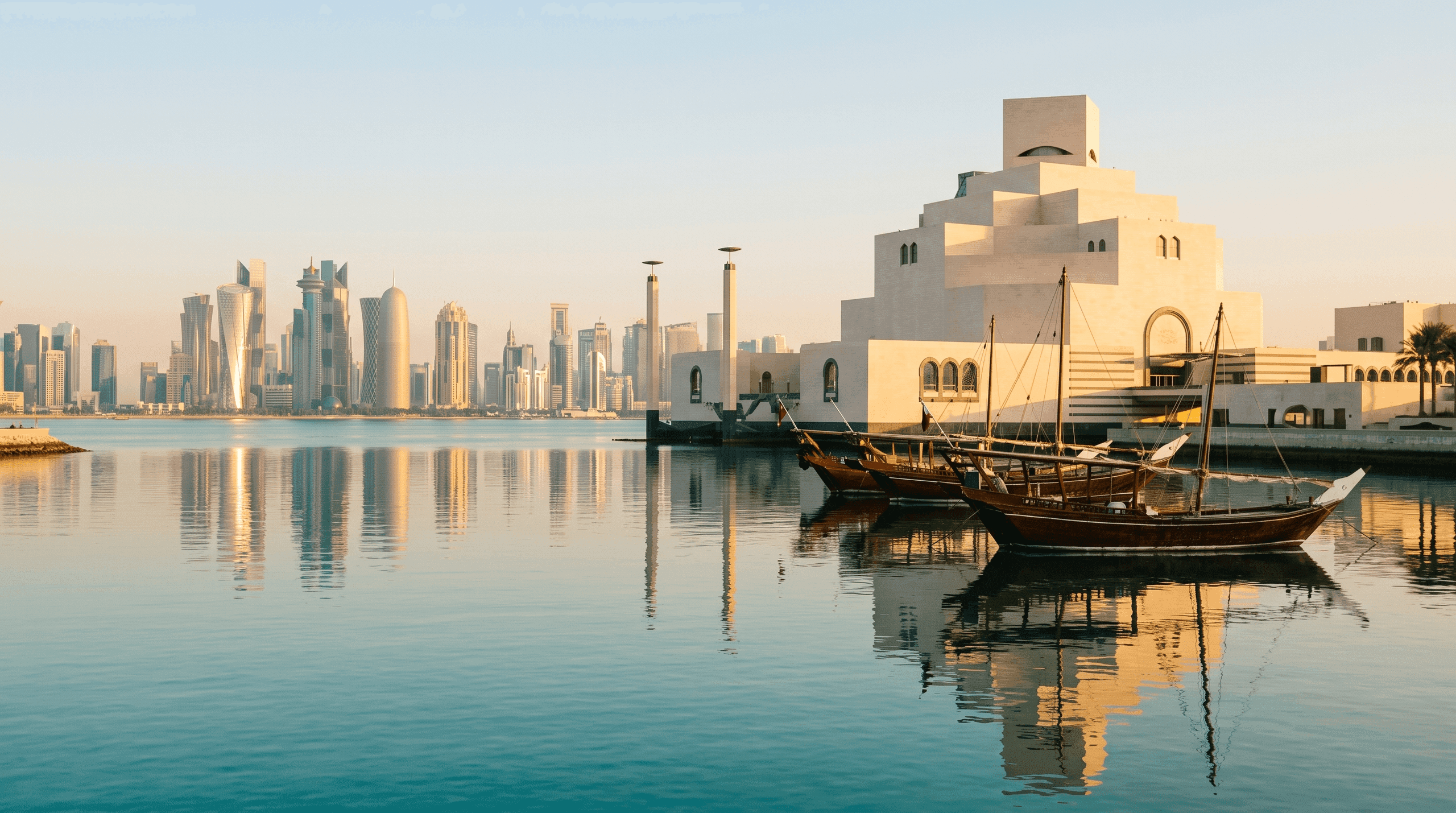
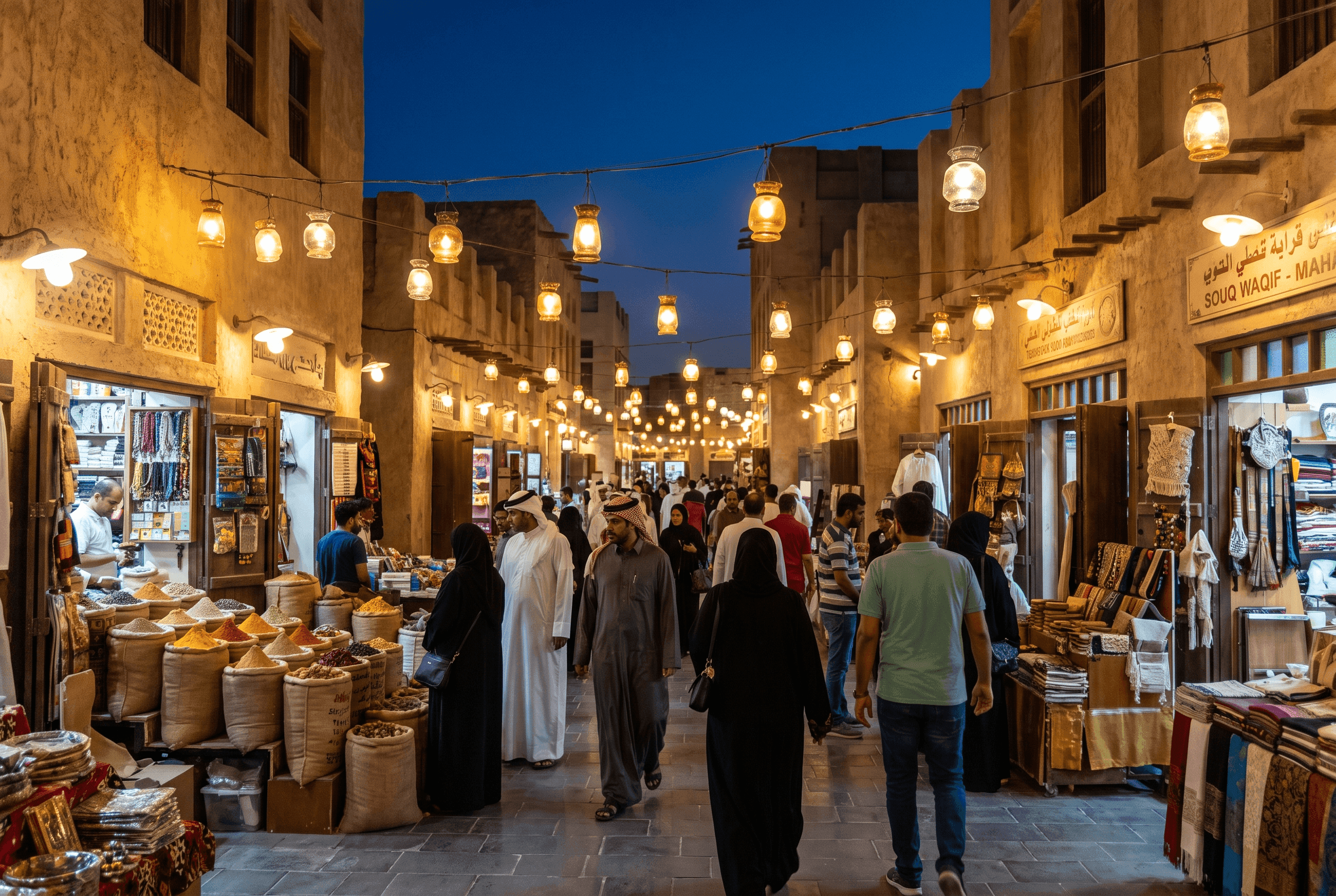
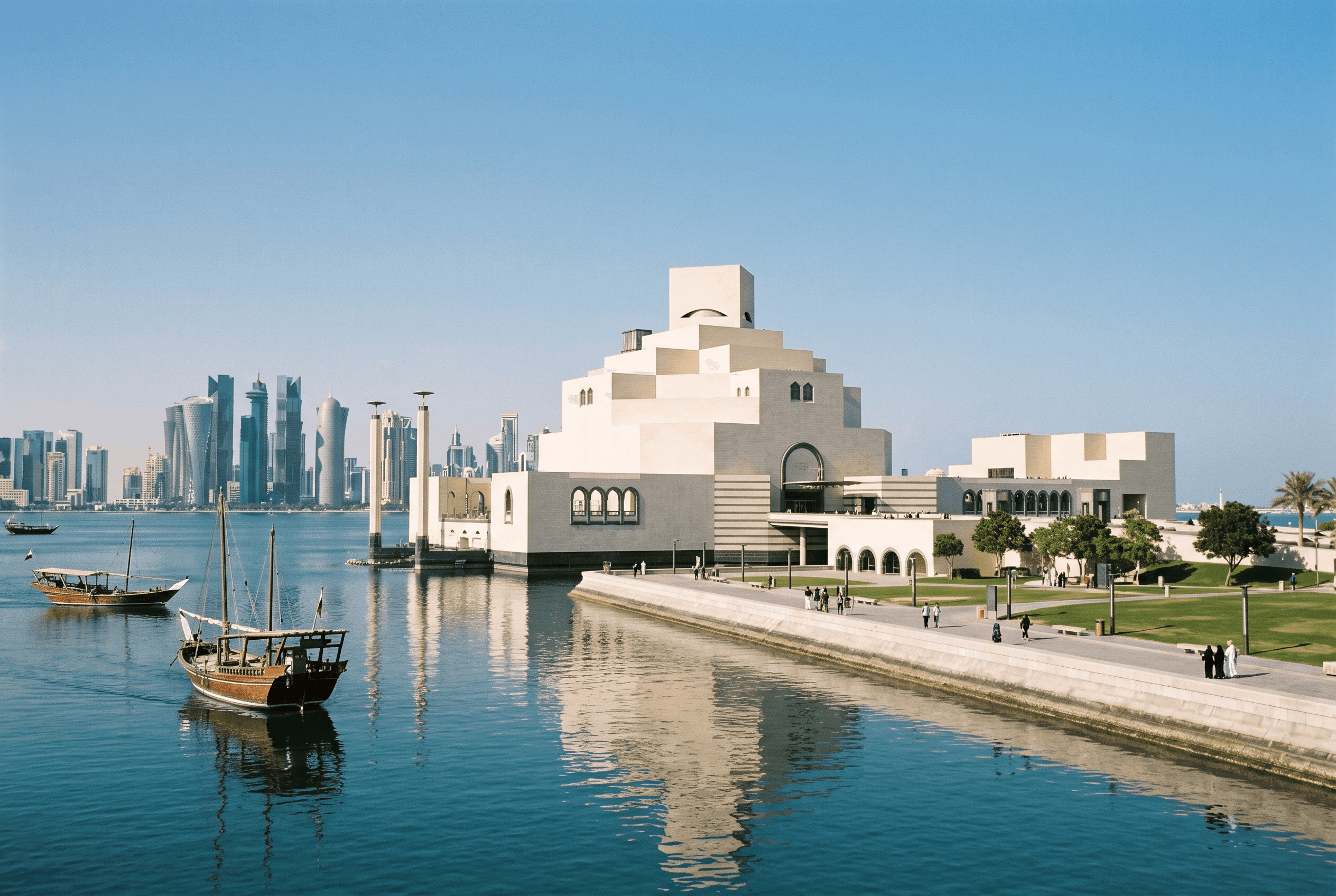
The gap between seasons here is extreme. In January you can walk the Corniche from the Museum of Islamic Art to the Sheraton at midday in a light jacket, eat lunch outdoors at Souq Waqif and sleep under the stars at Sealine. In August the same walk at noon is genuinely unsafe. Humidity off the Gulf pushes the feels-like temperature towards 50°C, and the city retreats into malls, museums and hotel pools.
Prices follow the weather, with one twist. Big events such as the Qatar Grand Prix at Lusail and National Day on 18 December can double hotel rates for a few nights in otherwise normal weeks. Ramadan changes the rhythm of the whole city, and Eid fills it with GCC visitors.
The short version:
- Best weather: November to March
- Best value: May, June and September, as long as you live indoors by day
- Most atmosphere: December and Ramadan
The rest of this guide goes month by month, so you can match the city to your trip, whether that is a family Eid break, a desert camping weekend or a cheap summer staycation-style escape.
November to February: peak season, month by month
November is when Doha switches back on. Daytime highs are typically around 28–30°C, falling towards 25°C by the end of the month. The sea is still warm at around 26°C, which makes it the best month for beach-plus-city trips. Winter camping season usually opens at Sealine and the Inland Sea. The Ajyal Film Festival runs at Katara, and the F1 weekend falls late in the month. Book Lusail-weekend hotels early or avoid those dates.
December is the most festive month and the busiest. Highs are typically around 24°C and evenings sit near 16°C. Darb Al Saai, the National Day heritage festival in Umm Salal, builds up to 18 December. That week the Corniche fills with flags, traffic and families. Around Christmas and New Year, European arrivals push hotel prices to their annual peak.
January is the coolest month. Highs are around 22°C and nights drop to 13–14°C, sometimes lower in the desert. Bring a fleece for dune camps. Occasional winter showers and morning fog can delay flights at DOH. Crowds ease after the first week, which makes the second half of January the sweet spot for value plus weather.
February sees highs of around 23–25°C, with frequent wind. It is event-heavy, with Web Summit Qatar, the WTA and ATP tennis at Khalifa International Tennis Complex and National Sports Day on the second Tuesday of the month. In 2027, Ramadan is expected to begin around 8 February.
March and April: the underrated shoulder
March is arguably the best all-round month for a first visit. Highs climb from around 25°C to 29°C. The sea starts warming back towards swimmable for most people, at around 22–24°C, and desert trips are still comfortable before 11am and after 3pm. Spring dust days are the main risk. A strong northwesterly can turn the skyline beige for an afternoon, so keep indoor options such as the National Museum of Qatar or the 3-2-1 Qatar Olympic and Sports Museum in reserve.
In 2027, most of Ramadan and Eid al-Fitr (expected around 9–10 March) fall in the first half of March. That has two consequences. Weekday daytime is quieter and cheaper. Eid weekend itself is packed with visitors from Saudi Arabia, Kuwait and the UAE, so book any Eid nights well ahead.
April is when the heat returns. Highs are typically around 32–34°C, with a few days pushing towards 37°C late in the month. Mornings and evenings are still very pleasant. Shoulder pricing kicks in, and mid-range hotels often run around 20–30% below their December rates. The desert camping season usually winds down at the end of April. MotoGP at Lusail has historically been a spring fixture, but dates move, so check the calendar before booking.
The rule of thumb for April is to plan outdoor sights early. Do the dunes or Al Zubarah Fort at 7am, keep museums for midday, and spend evenings on the Corniche or at Katara.
May to September: who should come anyway, and how
Summer in Doha is not just hot. It is humid, and that is the real problem. Highs are typically around 38°C in May and 41–43°C in June and July. August and early September bring heavy coastal humidity that makes 39°C feel far worse. In June and July the shamal wind can also kick up dust. The sea warms to around 32–34°C, which is closer to bathwater than refreshment.
So why go? Mostly for price and quiet. Five-star rooms that cost QAR 1,200+ in December can drop to around QAR 450–700 (roughly AED 455–710), and many hotels throw in pool access, late checkout or dining credit. The Qatar Summer Festival (typically July–August) brings mall events and hotel packages. Museums are blissfully empty. Families can fill days indoors at Doha Quest, the indoor rinks and cinemas at Mall of Qatar and Place Vendôme, and the water parks around Lusail.
A workable summer day looks like this:
- 6–8:30am: Corniche walk, or a sunrise visit to the Inland Sea with an operator who starts early
- 9am–4pm: museums, malls, hotel pool and a long lunch
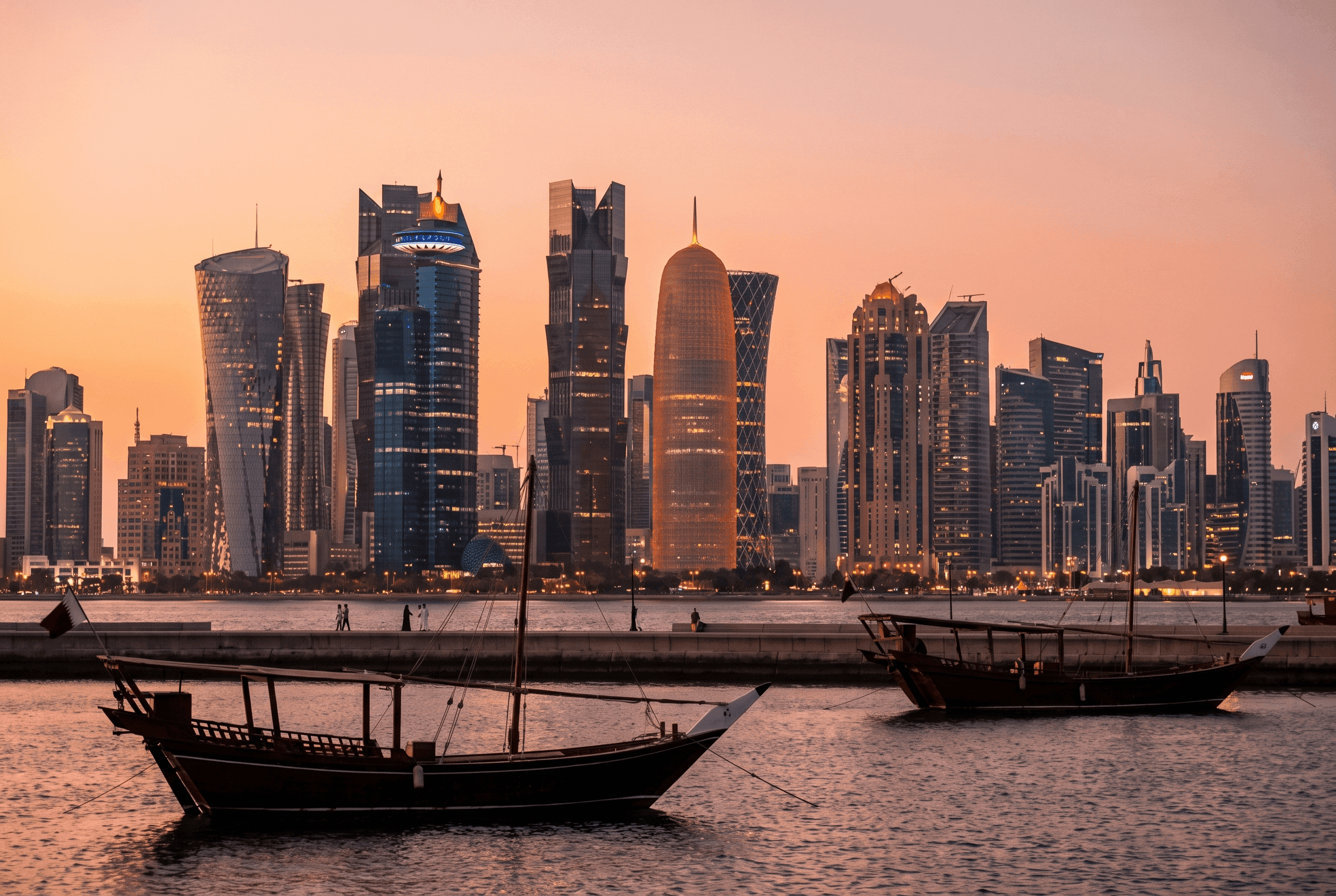
- 5:30pm onwards: Souq Waqif, Katara and the Old Port, which come alive after sunset
Eid al-Adha 2027 is expected around 16 May. Expect a short spike in GCC arrivals and rates even before the heat fully sets in.
October: the month the city turns
October is a transition month and it splits in two. The first half still feels like summer. Highs run around 36–37°C, humidity is often high, and outdoor plans need the same early-and-late rhythm as September. The second half usually brings the first truly pleasant evenings. Nights drop to around 24°C, and by the final week the Corniche is busy again with joggers, cyclists and families after Maghrib.
For price-sensitive travellers this is one of the smartest months to book. Hotels are still on low or shoulder rates, often around 25–40% below December levels. Airfares from the Gulf are usually reasonable because there are no big regional holidays. School terms are running across the GCC, so the city is calm on weekdays.
What works well in October:
- Museum-heavy trips: the Museum of Islamic Art, the National Museum and Msheireb Museums are at their quietest
- Evening food crawls: grilled fish at the Old Doha Port area, karak and chebab pancakes in Souq Waqif, and machboos at traditional spots such as Shay Al Shoomoos
- Sea time: water around 30°C is great for kayaking among the Purple Island mangroves near Al Khor, if you go early
What to skip until November is overnight desert camping. The official winter camping season usually only opens around 1 November, and the dunes still hold serious heat by day. If you can choose, aim for the last ten days of October: summer prices with almost-winter evenings.
Ramadan and Eid: how they reshape a visit
For Gulf and Levant travellers, Ramadan in Doha is a draw in itself. For 2027, expect it to run roughly 8 February to 9 March. That puts it in perfect weather, with daytime highs around 23–26°C. Exact dates depend on the moon sighting.
What changes:
- Daytime: malls, museums and most restaurants open later and run reduced hours. Eating, drinking and smoking in public during fasting hours is not allowed, even for non-Muslims. Hotels serve guests discreetly.
- After iftar: the city wakes up. Souq Waqif, Katara and the hotel Ramadan tents run late. Suhoor seatings often go past 1am, and traffic peaks around 10pm, not 8am.
- Food: harees, thareed and luqaimat appear everywhere. Hotel iftar buffets typically run around QAR 180–350 per person (roughly AED 180–355).
- Garangao: around the 14th night of Ramadan, children go door to door in traditional dress collecting sweets. Malls and Katara host family events.
Eid al-Fitr (around 9–10 March 2027) and Eid al-Adha (around 16 May 2027) are the opposite of quiet. Saudi visitors drive in through the Abu Samra crossing, and hotels in West Bay and The Pearl can sell out. Expect rates around 30–60% above the preceding week. Fireworks usually light up the Corniche and Lusail.
If you want the Ramadan atmosphere without paying peak prices, book the middle two weeks of the month, not the final days before Eid.
The events calendar: what to book around (or avoid)
Doha's calendar packs a lot into its cool months. These are the dates that move prices and crowds. Always confirm the current year's dates before committing.
- Qatar Grand Prix, Lusail (late November; scheduled for the end of November in 2026): this is the biggest single price spike of the year. Lusail and West Bay hotels can triple in price. Race-weekend tickets typically start around QAR 500–800 for general admission. Non-fans should avoid these dates.
- Ajyal Film Festival, Katara (typically November): family-friendly screenings with a strong Arab cinema programme. Many events are cheap or free.
- Darb Al Saai and National Day (10–18 December): free heritage activities in Umm Salal, falconry, camel displays and Qatari food stalls. National Day itself brings road closures around the Corniche. Use the metro.
- Web Summit Qatar (typically February, DECC): fills business hotels in West Bay for several nights.
- Qatar Open tennis (WTA mid-February, ATP late February): early-round tickets are usually very affordable and a great evening out.
- National Sports Day (second Tuesday of February): a public holiday with free fitness events across Aspire Park and the Corniche.
- Doha Jewellery and Watches Exhibition (typically February, DECC): popular with Gulf shoppers.
- Qatar Summer Festival (July–August): mall entertainment and hotel deals, aimed at residents and GCC families.
Tip: if your dates are flexible, the first two weeks of January and the week after Web Summit often combine perfect weather with an empty events calendar, and therefore softer rates.
Prices by season: hotels, flights and tours
Qatari riyal and UAE dirham trade at almost parity, with QAR 1 roughly equal to AED 1. That makes budgeting easy for UAE visitors. The figures below are typical nightly ranges for a double room and will vary by property and booking window.
Mid-range (4-star, Msheireb, Al Sadd, Old Airport area):
- Peak (mid-Nov to Feb): around QAR 450–800 (AED 450–810)
- Shoulder (Mar–Apr, Oct): around QAR 350–550
- Summer (May–Sep): around QAR 250–400
Upscale (West Bay, The Pearl, Lusail, Msheireb):
- Peak: around QAR 1,100–2,500+
- Summer: often around QAR 450–900, with extras included
Event surcharges: F1 weekend, National Day, Eid and New Year can add 30–200% on top.
Flights: Dubai–Doha return is typically around AED 600–1,500 on Qatar Airways, flydubai or Emirates. Fares jump in the week before Eid and before UAE school holidays. From Amman or Beirut, returns typically run around USD 300–600, and you will pay more around Eid and Christmas.
Tours and activities:
- Shared desert safari to the Inland Sea with dune bashing: around QAR 250–400 per person, higher in peak months
- Overnight desert camp packages: around QAR 600–1,500 per person
- Shared dhow cruise from the Corniche: around QAR 25–60
- Most major museums: modest entry for visitors, often free for Qatar residents
Book peak-season desert camps and Eid hotels four to six weeks ahead. Summer deals tend to appear late, sometimes only a week before.
Practical: getting there, getting around, money and safety
Arriving at DOH: Hamad International Airport is around 20–25 minutes from West Bay. The Doha Metro Red Line runs from the airport to Msheireb, the Corniche and Lusail. A standard trip costs around QAR 2, and a day pass is a few riyals more. Buy a Travel Card at the station. Taxis from the airport to central Doha typically cost around QAR 50–80.
Entry: GCC citizens enter with an ID card. Most other visitors use the Hayya platform, which handles visa-free entry, visas on arrival and eVisas. Rules differ for Jordanian, Lebanese, Syrian and Egyptian passports, so check Hayya before booking. Saudi visitors can drive in via Abu Samra.
Getting around: the metro has three lines. The Red runs along the coast and to Lusail and the airport. The Gold runs east–west through Souq Waqif and Al Sadd. The Green goes to Education City. Trains are clean and very cold, so carry a layer. Uber, Careem and Karwa taxis are reliable. Rent a car for Al Zubarah or Al Khor, but leave dune driving to licensed operators.
Money: cards work almost everywhere. Keep some cash for souq stalls and small cafés. Tipping of around 10% is appreciated but not mandatory.
Safety and etiquette: Doha is very safe. Dress modestly in souqs, malls and government buildings, covering shoulders and knees. Respect fasting hours during Ramadan. In summer, carry water, avoid outdoor activity between 10am and 4pm, and take heat exhaustion symptoms seriously.
Read more: Doha · Doha in 3 Days: Museums, Souq Waqif and Inland Sea Dunes on a Realistic Plan · What a Day in Doha Really Costs: Budget, Mid-Range and Splurge, Riyal by Riyal
What is the single best month to visit Doha?
For most travellers it is March or the second half of January. Both offer daytime highs in the low-to-mid 20s°C, swimmable or near-swimmable sea from March, desert camping still open and fewer of the big event price spikes.
Is it worth visiting Doha in summer?
Yes, if you want value and are happy to stay indoors by day. Luxury hotels often drop to around QAR 450–900 a night, and museums are quiet. Plan sightseeing before 9am and after sunset, and avoid long outdoor walks in July and August.
When is Ramadan in Doha in 2027?
It is expected to run roughly from 8 February to 9 March 2027, with Eid al-Fitr around 9–10 March. The exact dates depend on the moon sighting. Days are quieter, and nights after iftar are lively in Souq Waqif and Katara.
When does desert camping season run near Doha?
The official winter camping season at Sealine and the Inland Sea typically runs from around November to April. December to February are the most comfortable months for overnight camps, but bring warm layers because desert nights can drop near 10°C.
Which dates make Doha hotels most expensive?
The Qatar Grand Prix weekend at Lusail in late November, National Day on 18 December, Christmas and New Year, and both Eid holidays. Rates on those nights can run 30–200% above normal, so book early or shift your dates by a week.